
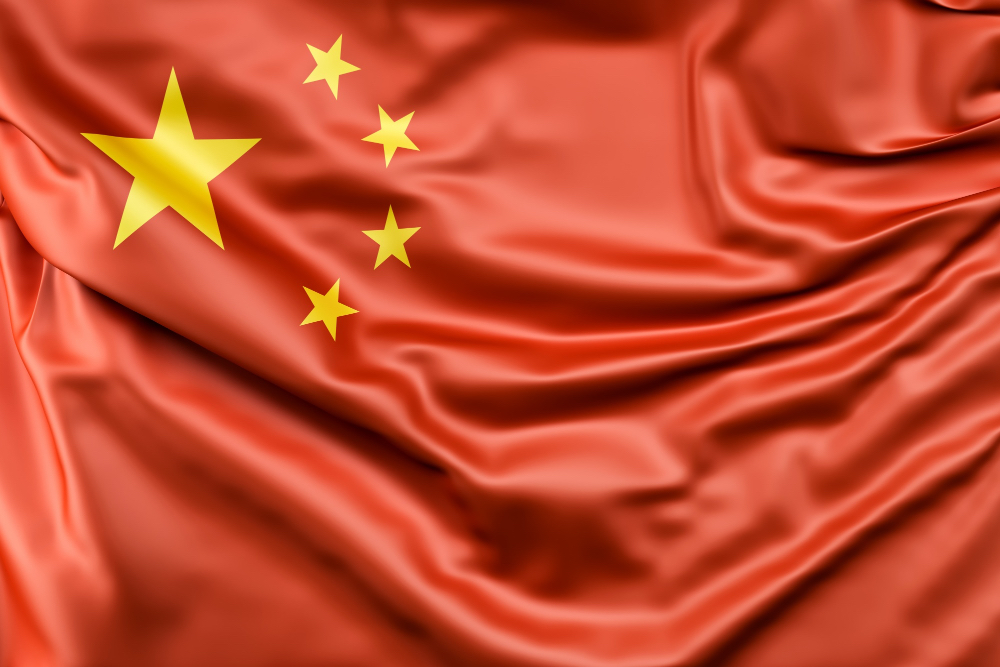
China’s decision to extend zero-tariff access to the countries in Africa with which it maintains diplomatic relations is a material shift in global trade policy. The move, announced in mid-2025 after an initial duty-free package for least developed countries, opens China’s large consumer market to a far broader set of African exporters. Businesses, investors and governments need to assess both the immediate commercial opportunities and the structural risks that accompany this change.
Why China is doing this
China’s motivations are pragmatic and multi-layered. Officials frame the policy as a step to deepen economic ties with Africa and to promote “win-win” trade, but the measure also serves specific strategic aims: secure new sources of imports and agricultural products, create new export markets for Chinese firms through reciprocal demand, support Belt and Road and other long-term investment programs, and strengthen diplomatic partnerships at a time of rising geopolitical trade tension with Western economies. The expansion follows an earlier commitment to give least developed countries duty-free access, and the latest extension covers a far larger group of African states.
What this means in practical terms
China is one of Africa’s largest trading partners. Bilateral trade reached a reported figure in the high hundreds of billions of dollars recently, and China’s move removes the tariff cost barrier for a wide range of African exports into a market of more than one billion consumers. For exporters this reduces a clear cost disincentive and makes price-sensitive markets more reachable. For China the policy reduces friction for sourcing goods that support domestic consumption, manufacturing inputs and strategic supply chains.
Who stands to gain
• Exporters of agricultural produce, processed foodstuffs, textiles and selected manufactured goods can access China at lower landed cost, improving competitiveness.
• Countries and firms with existing export capacity, logistics links and quality control systems will realize benefits fastest. Analysts identify middle-income African manufacturers in Kenya, South Africa, Nigeria, Egypt and Morocco as likely to scale exports quicker than less developed peers.
• Investors in export-oriented value chains, cold storage, packaging and standards-compliance services will find new demand for capacity that helps suppliers meet Chinese market requirements.
Potential losses and structural risks
• Trade diversion and concentrated gains: Removing tariffs does not guarantee uniform gains. Countries with stronger production, certification and logistics will capture disproportionate benefits, potentially widening intra-African inequality.
• Non-tariff and regulatory barriers: China retains inspection, quarantine, technical standards and licensing requirements. If African exporters fail to meet these, tariff elimination will have limited effect.
• Market displacement: Cheaper imports or competition from larger African producers may displace local firms in smaller economies or sectors that lack scale.
• Continued trade imbalance: While duty-free access can boost African exports, it does not automatically resolve structural imbalances such as value-adding capacity, currency volatility and logistics bottlenecks. Some analyses note China still runs a significant trade surplus with Africa, and tariff policy alone will not erase that.
Also Read ~ Government Steps Up Efforts to Curb rising Scams and Fraud Cases THREATENING Business Trust
Practical steps for businesses
1. Prioritize product readiness: secure certification, meet Chinese labelling and sanitary standards, and invest in packaging and shelf-life improvements.
2. Partner locally: form joint ventures or distribution agreements with established Chinese importers and marketplace platforms to reduce market entry costs and commercial risk.
3. Use trade facilitation services: leverage trade finance, export guarantees and programmes that provide buyer due diligence and logistics support. Banks and trade houses offering bundled Africa-China trade solutions can shorten the learning curve.
4. Target niches: focus on products with clear comparative advantage and lower technical barriers, such as certain processed foods, speciality agricultural products, and regionally branded goods.
5. Scale gradually: pilot consignments to test demand and compliance, then scale volumes once customer and regulatory fit are proven.
Recommendations for investors
• Invest in export-enabling infrastructure: cold chains, quality testing labs, containerised logistics and port handling capacity.
• Seek value-chain opportunities: financing, contract manufacturing, and technology that upgrades processing and traceability.
• Evaluate political and trade risk: assess country-level readiness and the likelihood of non-tariff measures constraining market access.
Recommendations for governments
• Strengthen export readiness: invest in standards agencies, SPS (sanitary and phytosanitary) compliance, and market intelligence for firms.
• Promote regional value chains: use tariff relief to encourage intra-African processing and aggregation so smaller producers can compete at scale.
• Negotiate safeguards: pursue reciprocal arrangements on technical cooperation, market promotion and support for least developed partner states to avoid uneven outcomes.
• Mobilise finance: provide trade finance, export credit guarantees and incentives that reduce the upfront cost of market entry for SMEs.
Bottom line
China’s zero-tariff extension is a significant opportunity to diversify African exports into a very large market. The potential benefits will be real for firms and countries that are prepared to meet China’s commercial and regulatory requirements. At the same time, the policy does not eliminate deeper structural challenges such as asymmetric production capacity, non-tariff barriers and logistics constraints. Business leaders, investors and policymakers should therefore treat tariff elimination as a necessary but insufficient condition for sustained export growth. A coordinated programme of capacity building, targeted investment and regulatory alignment will be essential to convert tariff access into long-term, broad-based gains.
Leave a Reply