
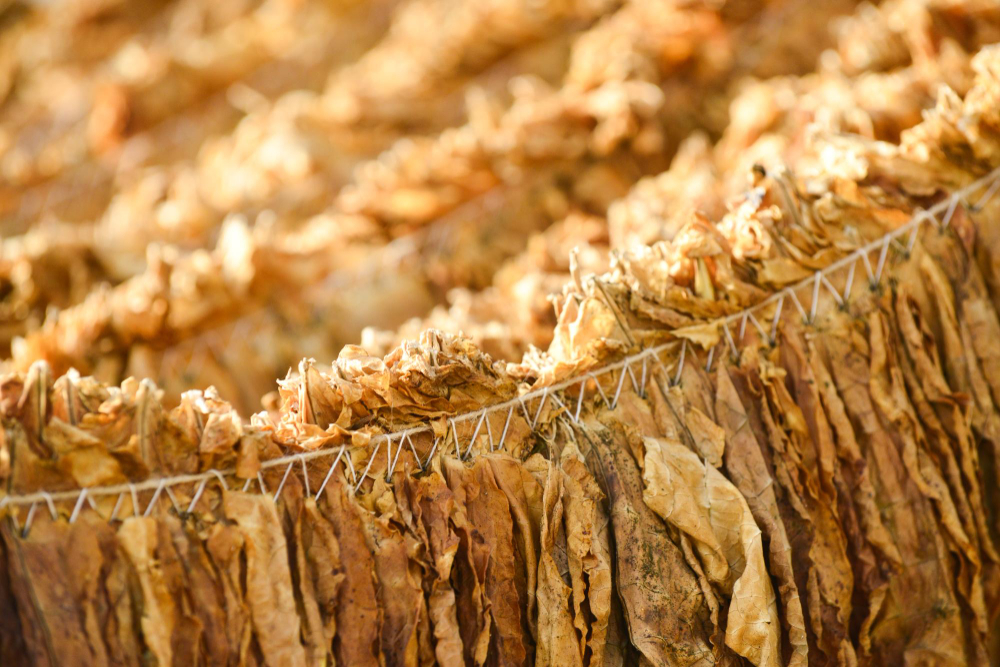
Zimbabwe faces a fresh threat from World Health Organization efforts to restrict tobacco. The move follows accusations of child labour and concerns over traceability, deforestation and market practices. If a ban is imposed, the country could lose significant foreign currency income.
Tobacco is Zimbabwe’s fourth largest foreign currency earner after gold, platinum and diaspora remittances. The crop generated about US$1.2 billion this year. It contributes up to 10% of agricultural GDP. Tobacco is exported to more than 60 markets worldwide.
At a recent T5 meeting in Harare, Lands, Agriculture, Fisheries, Water and Rural Development Minister Dr Anxious Masuka warned that WHO policies and other international efforts aim to curb tobacco production. The T5 group includes Tanzania, Malawi, Mozambique, Zambia and Zimbabwe. Dr Masuka said such measures could threaten the livelihoods of millions of farmers in developing countries.
He listed several challenges facing the sector. These include stricter traceability rules, environmental concerns from deforestation, child labour allegations, concentration risks in contract financing, low inclusivity at some value chain nodes, nesting and side marketing, and outdated legislation. He said the Tobacco Value Chain Transformation Plan will address many of these local issues. He added that child labour accusations must be demystified.
Also Read ~ Mali crisis threatens regional trade and business
Despite the risks, the sector recorded strong growth last season. Zimbabwe produced a record 355 million kilograms of tobacco. That earned farmers about US$1.2 billion. The crop was grown by roughly 135,000 farmers. On average each grower grossed about US$9,000. The government projects 360 million kilograms for 2025/26. The Transformation Plan targets 500 million kilograms annually by 2030.
The plan also aims to add value to 100 million kilograms of tobacco by 2030. It seeks to localise financing for 50% of the crop and to improve traceability and sustainability. The government says policy, legislative and institutional reforms are in progress. Market development efforts are also underway.
Dr Masuka stressed that smoking is an adult choice and that tobacco is a legal crop for T5 economies. He said Zimbabwe aims to grow the tobacco industry to US$7 billion by 2030. The government is promoting measures to de-risk production, including the cultivation of alternate crops to reduce dependence on tobacco.
Leave a Reply