
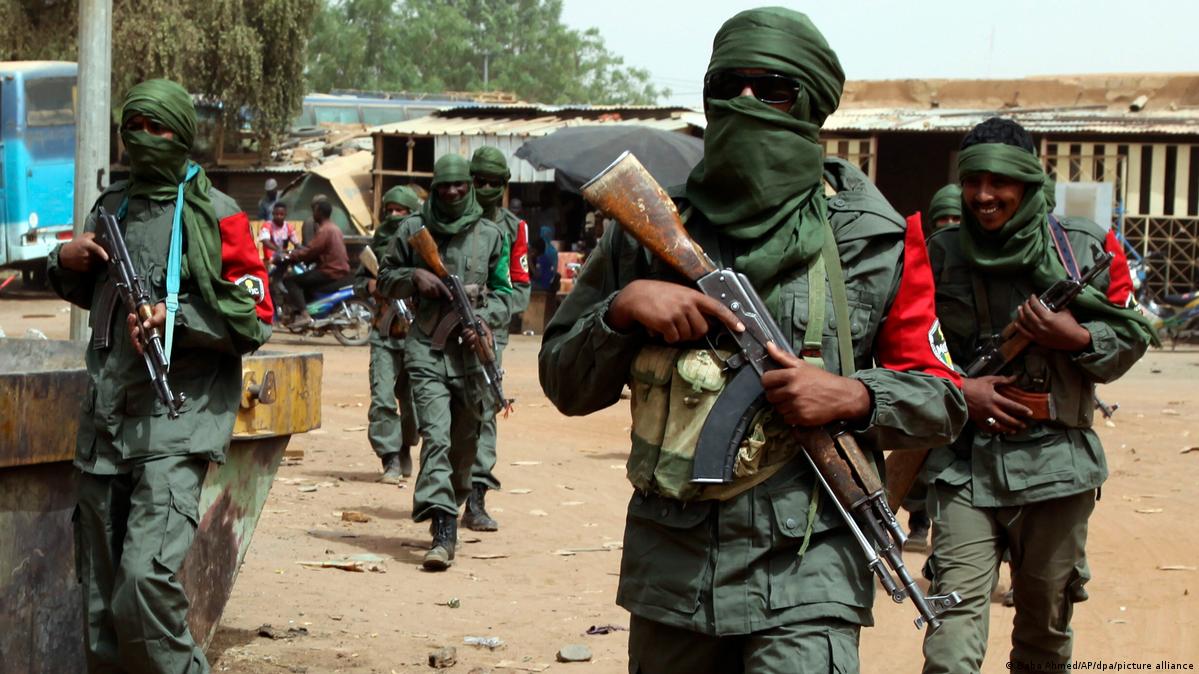
The recent spike in violence and the fuel blockade in Mali poses a serious risk to business and trade across the Sahel and neighbouring economies. The disruption is not a local problem. It affects transport corridors, supply chains, and investor confidence across West and parts of North Africa.
The immediate impact is on logistics. Tanker attacks and fuel shortages force higher transport costs. Shipping delays and route diversions raise prices for goods that cross Mali or use Malian corridors. Companies that rely on road transport face longer transit times and higher insurance premiums. Small traders and transport operators feel this pressure most. They have limited ability to absorb cost increases.
Second, the security threat raises operating risks for regional businesses. Kidnappings of foreign and local staff create safety concerns for employees. Firms may withdraw expatriate staff and reduce operations. That leads to slower project delivery and stalled investment in mining, agriculture, and infrastructure. International firms may pause new contracts until security improves.
Third, the humanitarian consequences reduce consumer demand. School and business closures lower local spending. This affects retail, services, and food markets. Reduced demand weakens the business case for planned investments in affected regions. It also increases the need for humanitarian logistics and donor procurement.
Fourth, the crisis changes regional trade patterns. Countries may reroute trade to avoid insecure corridors. This raises costs for landlocked neighbours that depend on specific routes for imports and exports. It can also shift volumes to ports and hubs that are better secured. Such shifts strain capacity elsewhere and increase congestion and transit times.
Also Read ~ Egypt and South Africa Strengthen Trade and Automotive Ties
Fifth, financial flows become more uncertain. Banks and insurers reassess exposure to the region. Lenders may tighten credit or raise the cost of capital for projects linked to Mali or the Sahel. Investors will price security risk into decisions. This raises the hurdle for new investments and slows capital inflows.
There are also longer term implications for regional integration. Ongoing instability undermines cooperation on trade, transport, and energy projects. It reduces private partners’ willingness to sign long-term contracts. Regional bodies and governments must act to preserve critical corridors and reassure markets.
What should businesses do? First, review security and continuity plans. Update supplier and route maps. Consider alternative supply chains and contingency stocks. Second, engage insurers and seek clarity on cover for political violence and kidnapping. Third, increase staff training on security protocols and consider local hires for sensitive roles.
What should governments and regional institutions do? They must prioritise securing key transport corridors and ports. Enhance intelligence-sharing and coordinated patrols. Speed up diplomatic efforts to reduce tensions. Provide clear information to businesses about risk levels and mitigation measures. Support humanitarian access to avoid deeper economic distress.
The situation in Mali is a reminder that security shocks have broad economic effects. The cost of inaction will fall on traders, transport firms, investors, and ordinary citizens and businesses. Fast, coordinated action can limit damage and preserve the economic linkages the region needs to grow.
Source ~ Reuters
Leave a Reply