
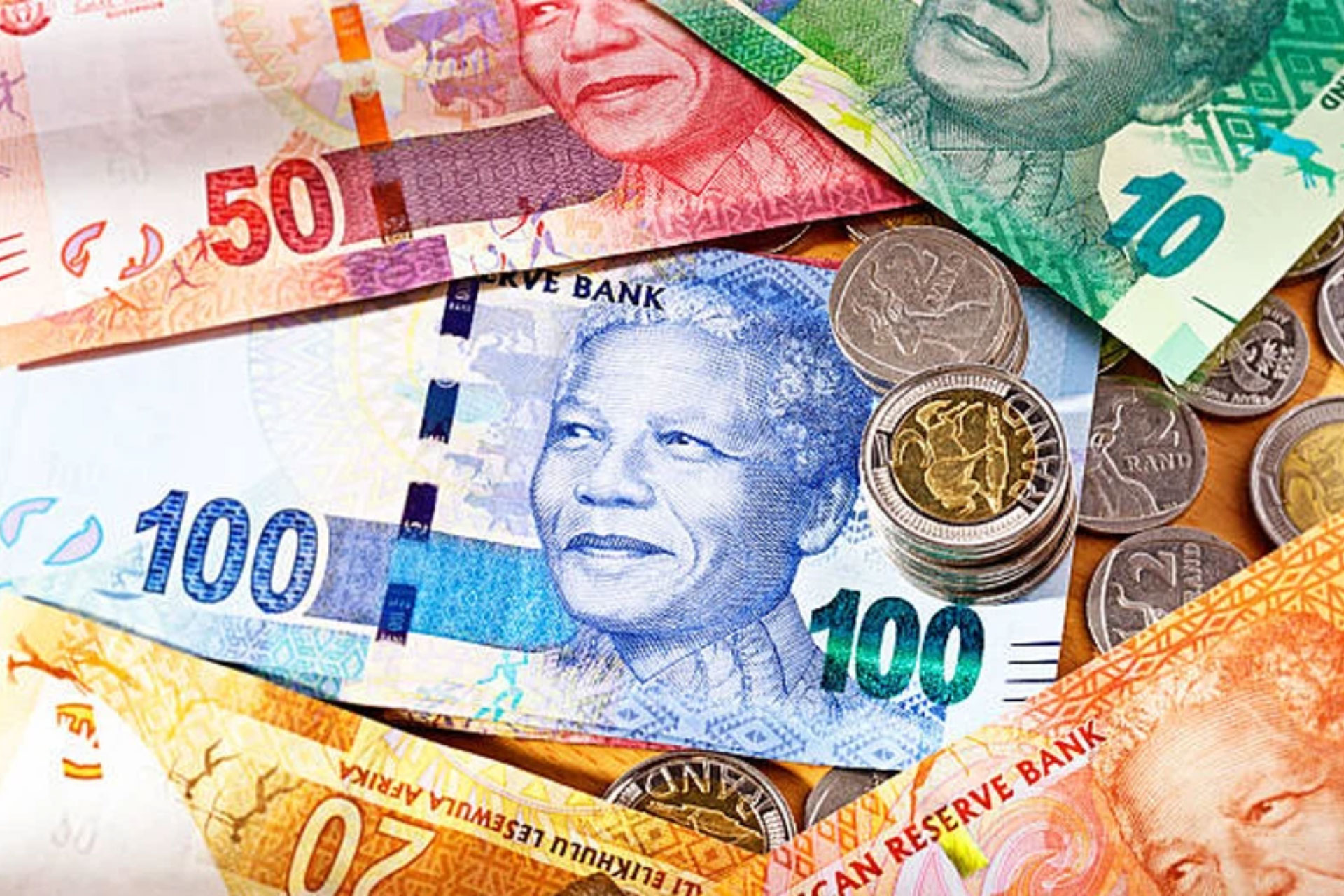
South Africa’s rand remained stable ahead of the mid-year budget review, a development that signals a period of measured market confidence. This stability reflects investor expectations of a stronger fiscal stance, improved revenue performance and more disciplined expenditure management. These factors shape the operating environment for businesses as they prepare for 2026. Understanding how Rand Stability interacts with fiscal and monetary decisions is essential for firms making investment and budgeting decisions.
The first major area of impact is the immediate market response to fiscal signals. A more credible fiscal outlook generally supports Rand Stability, lowers perceptions of sovereign risk and creates a more predictable environment for capital flows. When investor confidence strengthens, government borrowing costs typically decline as bond yields ease. This can reduce credit spreads for corporates. For businesses planning large capital projects, these dynamics are important. Lower financing costs improve the feasibility of expansion plans, asset acquisitions and infrastructure investments. Firms with high leverage or those considering refinancing should evaluate whether current conditions allow them to secure more favorable terms.
A second area of focus is the interaction between inflation, monetary policy and interest rate expectations. The finance minister plays a key role in setting the inflation target, and the South African Reserve Bank has repeatedly called for a lower and more credible target range. If the mid-year review reinforces a disciplined inflation framework, the central bank may gain room to ease policy rates over time. Lower rates would benefit both households and businesses through reduced borrowing costs. However, any formal shift depends on sustained progress in actual inflation outcomes and the credibility of fiscal commitments. For businesses, this means interest rate relief may be gradual rather than immediate, which requires careful liquidity and debt management.
Fiscal discipline, while supportive of Rand Stability, introduces potential trade-offs. A tighter fiscal approach may limit new public spending in the short term, particularly on infrastructure, subsidies or procurement-driven projects. Companies that rely on government contracts may experience slower approvals or reduced project pipelines. At the same time, credible fiscal consolidation strengthens long-term investor trust and reduces concerns related to debt sustainability. Private investors generally prefer predictable public finances even when short-term spending is constrained. Businesses should monitor fiscal signals closely and review their exposure to state-driven demand.
Also Read: Alula Animation Hosts XPO 2025 in Harare
Growth revisions are another factor that influences business planning. If the government trims its growth expectations, firms should prepare for subdued domestic demand in sectors such as retail, construction and services. Lower growth expectations often translate into cautious consumer spending, slower credit growth and reduced appetite for discretionary purchases. Export-oriented firms may be less exposed to domestic weakness, especially if Rand Stability helps to manage input costs and foreign exchange risks. These firms should diversify markets and adjust inventory strategies to match demand conditions in both domestic and external markets.
For regional economies, Rand Stability has meaningful implications. Many SADC countries conduct a significant portion of their trade and pricing in rand. A stable currency helps importers manage cost volatility and improves pricing predictability in cross-border supply chains. It also ensures South African products remain competitively priced in neighboring markets. However, any sharp deviation in the rand during 2026 would quickly affect regional inflation, import costs and trade volumes. Businesses involved in regional trade should strengthen hedging policies and regularly assess foreign exchange exposures.
Investor sentiment remains highly sensitive to policy clarity. Market participants will monitor revenue collection data, the credibility of medium-term fiscal targets and any adjustments to the inflation mandate. If these indicators point to consistent execution and disciplined governance, South Africa may attract stronger portfolio inflows and long-term investment. Such inflows would support equity markets and improve liquidity for local firms that seek funding or strategic partnerships.
For corporates and SMEs, several practical steps are advisable. Businesses should assess their currency exposure, revisit hedging strategies and ensure that working capital management is strong enough to handle fluctuating demand. Companies planning capital raising should evaluate whether current market conditions allow them to secure funding at competitive rates. Supply chain diversification, particularly across regional markets, can help mitigate risks related to domestic growth trends. Firms should also maintain active communication with suppliers, logistics partners and financial institutions to support operational continuity.
Despite positive signals, risks remain. External shocks such as commodity price volatility, global interest rate movements and geopolitical events can disrupt Rand Stability. Domestic constraints including energy shortages, structural unemployment and regulatory uncertainty continue to limit economic momentum. Policymakers must therefore balance fiscal prudence with targeted interventions that support growth, competitiveness and employment.
In summary, the mid-year budget review provides an opportunity to reinforce Rand Stability, strengthen investor confidence and establish a more predictable financial environment for 2026. Businesses that plan proactively, manage risk effectively and adapt to fiscal and monetary developments will be better positioned to navigate uncertainty and take advantage of emerging opportunities.
Source ~ Reuter
Article by Billy Makore
Leave a Reply