
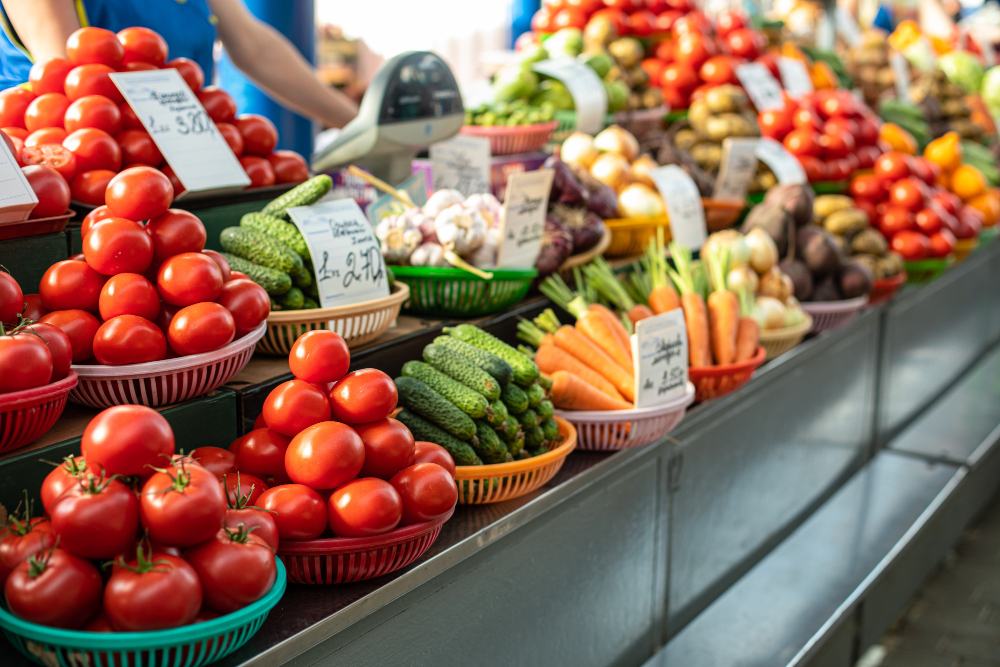
The festive season is usually a time for joy, family gatherings and shared meals. This year, however, the rising cost of a basic food basket will determine how millions of households celebrate. Across Zimbabwe, South Africa, Zambia, Mozambique and Botswana, families are dealing with higher prices, strained incomes and uncertain economic conditions. Inflation, currency weaknesses, global supply pressures and high transport costs continue to push food bills upward. This article explores supermarket costs, alternative grocery options and how an average family in each country will cope this festive season while facing difficult market conditions.
Zimbabwe
The cost of food in Zimbabwe continues to rise as incomes lag behind prices. A basic food basket for one person was estimated at roughly USD 19.68 in September 2025. Many supermarkets price goods in foreign currency, which limits affordability for workers who earn local currency. Exchange rate volatility increases the cost of imported staples such as rice, pasta, cooking oil and sugar. Transport costs also add pressure, since fuel prices remain elevated. Inflation, although moderated in some periods, still erodes wages quickly.
Families are turning to open markets, community tuck shops and farm gate purchases to survive. Informal markets offer lower prices because vendors source from local farmers and avoid high overhead costs. Many households also rely on urban farming and small poultry production to reduce weekly spending. Meal planning, bulk purchases and the use of cheaper protein substitutes have become common survival strategies. This festive season many families will prepare simpler meals and reduce spending on non essential treats.
South Africa
South Africa faces food price inflation driven by fuel costs, load shedding impacts, logistics disruptions and high global commodity prices. While the country has more stable supply chains than some neighbours, supermarket food remains expensive for low and middle income families. Key food basket reports show rising monthly costs in major cities.
Wages have not kept up with the increases. High transport costs reduce disposable incomes further, since many breadwinners spend a large portion of their salaries commuting.
To cope, families make use of discount supermarkets, private label products and major retailer specials. Loyalty rewards and voucher programmes have become important tools for managing grocery budgets. Bulk buying remains a reliable cost saving option, especially for large households. However, households with limited cash flow cannot always take advantage of bulk discounts. This festive period many people will spend less on premium cuts of meat and more on discounted staples and seasonal vegetables.
Also Read ~ Cloudflare Outage Disrupts X, OpenAI and Other Major Platforms Worldwide
Zambia
In Zambia the cost of the basic food basket has been driven higher by exchange rate pressures and rising prices of protein, mealie meal and vegetable oil. The country relies on imports for certain commodities, which makes prices sensitive to currency depreciation. Meat and dried fish have recorded some of the steepest increases.
Income levels in Zambia remain low for many families, making it difficult to absorb sudden price spikes. As a result, households rely heavily on open markets where locally sourced vegetables, grains and legumes are cheaper. Rural households also support urban relatives through remittances of maize, groundnuts and vegetables. Community grain banks help stabilise supply in some areas.
This festive season families will likely reduce spending on chicken, beef and processed snacks. Many will substitute with beans, small fish and traditional vegetables to lower overall costs while still enjoying shared meals.
Mozambique
Mozambique has faced uneven price changes depending on region and season. Flooding, fuel shortages and transport disruptions have influenced the cost of staple products. In some months food inflation slowed, but overall household budgets remain tight. Families in urban areas feel the pressure more because supermarkets sell many imported goods at premium prices.
Open markets remain the most affordable option, especially for cassava, maize meal, beans and seasonal produce. Many families also catch or purchase low cost fish in coastal communities. Rising rent and transport costs leave households with less money for food, forcing strict budgeting. This festive season many Mozambican families will prepare traditional meals using local ingredients rather than expensive imported items.
Botswana
Botswana has experienced moderate food inflation compared with some neighbours, but prices have still risen. The country imports a significant share of its food from South Africa, which means any price increase in South African supermarkets eventually affects Botswana consumers. Transport costs and exchange rate movements also influence final retail prices.
Households cope by using local fresh markets, buying staples in bulk and reducing purchases of high priced imports. Botswana supermarkets offer a mix of low cost and premium products, allowing families to shop according to income levels. This festive season many households will focus on essential ingredients and avoid luxury grocery items.
Supermarkets versus alternative grocery options
Supermarkets provide convenience, safety and wide product selections, but the prices are higher because of overheads, import duties, packaging and logistics. Many branded products, especially in Zimbabwe, Botswana and Mozambique, are out of reach for low income households.
Open markets, wholesale depots, co operatives and community shops offer cheaper alternatives. Buying fresh produce early in the morning, purchasing bulk staples with neighbours and prioritising local brands help lower costs. Households can also save by preparing meals at home instead of buying ready made foods, which are more expensive.
Key market forces driving food costs
Inflation remains the biggest driver of food price increases. When inflation rises, households lose purchasing power and cannot keep up with monthly expenses. Currency depreciation in Zimbabwe and Zambia also affects the cost of imports. Fuel remains expensive across the region, pushing up transport and logistics costs.
Climate shocks, such as droughts or heavy rains, disrupt harvests and reduce supply. Global food price trends also affect prices, especially for wheat, rice and cooking oil. Supply chain disruptions, port delays, conflict zones and increased insurance and shipping costs all contribute to higher prices.
How families can cope this festive season
Families can stretch budgets by planning meals, buying seasonal produce, using markets, purchasing in bulk and choosing affordable protein options. Community support, urban farming and sharing transport costs also help. This festive season many families will celebrate modestly but meaningfully, focusing on togetherness rather than expensive meals.
Article By Billy Makore
Sources ~ Business Tech ~ Refief Web
Leave a Reply