
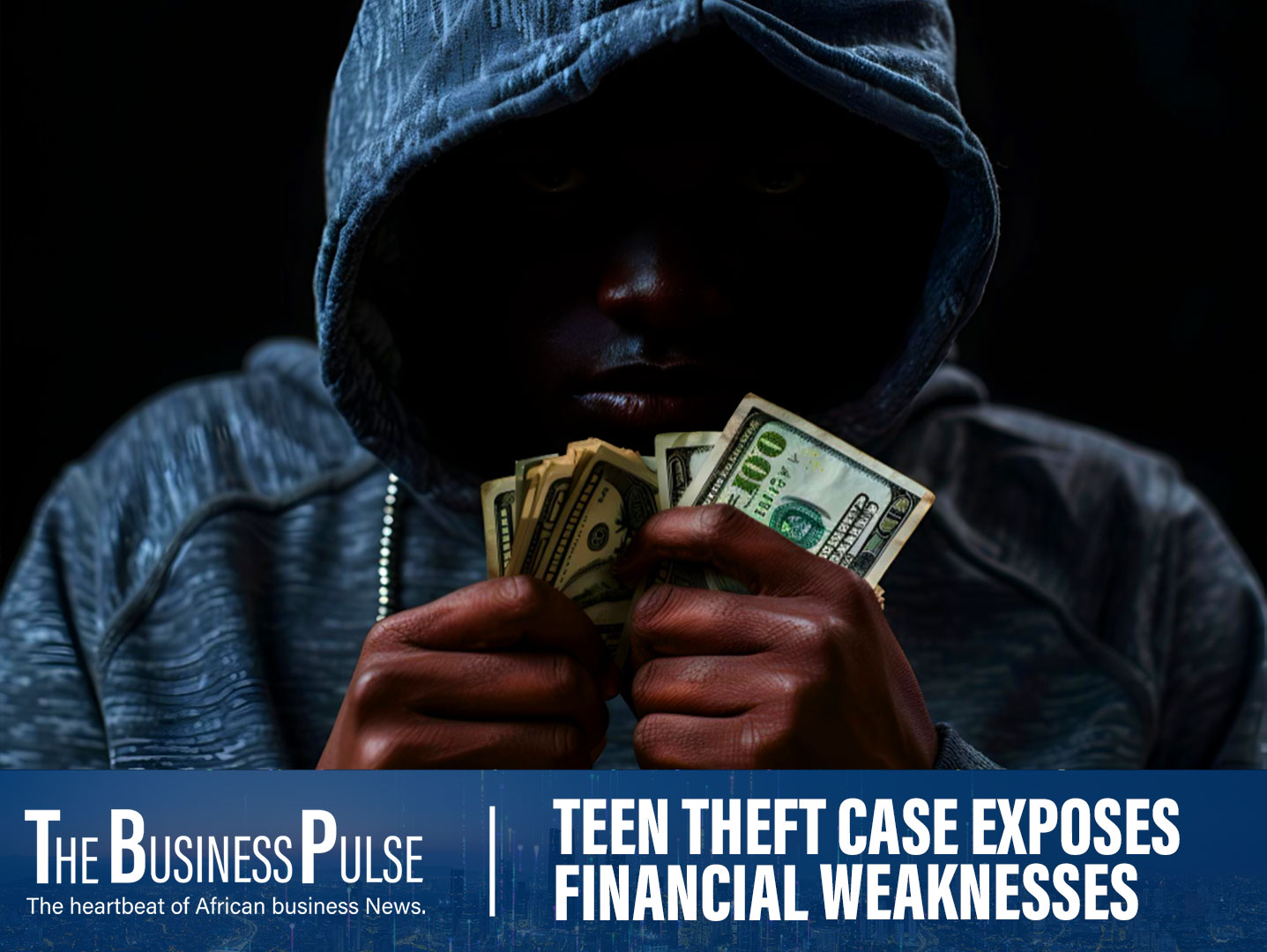
A recent teen theft court case in Bulawayo, Zimbabwe offers a clear business lesson on household risk and youth behaviour. A 13-year-old boy admitted stealing US$1,500 and R1,500 from savings that his family had set aside to buy a residential stand. He pleaded guilty at Tredgold Magistrates’ Courts and was remanded to the Percy Ibbotson Juvenile Centre ahead of sentencing on December 13, 2025.
The facts are straightforward. The theft occurred on September 16, 2025 in Mahatshula North. The minor had just completed Grade 7 exams. After taking the cash, he and an accomplice spent the money on clothes, gaming sessions and drinks at a local bar. The National Prosecuting Authority confirmed the account to the court. Police recovered the plastic bag that contained the cash, but no money was recovered.
For business leaders and professionals the incident is relevant for three reasons. First, it highlights how cash-based savings create operational risk for households. That risk is also a risk to local economies. Second, the case shows the consequences of limited financial literacy among young people. Third, it raises compliance concerns for private-sector operators who serve minors.
This incident of teen theft shows how vulnerable cash-based savings is and the youth financial literacy gaps.

Cash in the home is a common practice in economies with limited banking access or currency instability. When large amounts are kept at home, families expose themselves to theft and loss. This has knock-on effects for firms. Reduced household savings lower consumer spending power and can influence local demand for goods and services. Employers whose staff lose savings may see productivity impacts. Banks and fintech firms can address this risk by providing accessible, low-fee savings products.
The case also reflects the need for targeted financial education. Teen theft often stems from a lack of understanding about money and consequences. It can also be driven by peer pressure and sudden access to disposable income. Financial education that targets both young people and parents reduces this risk. Schools, employers and community organisations can deliver basic programs on budgeting, saving and responsible spending. Corporates that invest in community financial literacy improve market stability and build customer trust.
Also Read ~ Reliable Small Business Ideas for Building Steady Income
Another business angle is the role of licensed premises. Reports indicate that the minor spent part of the stolen funds in a local bar. Businesses that serve alcohol must maintain strict age verification and compliance with licensing rules. Underage access damages reputations and can trigger regulatory penalties. Firms should ensure staff are trained to check identification and refuse service to minors. This is a straightforward compliance step that protects both businesses and communities.
The criminal justice response in this teen theft case is consistent with juvenile practice. The court remanded the minor to a juvenile facility rather than moving directly to an adult sentence. Juvenile systems aim to combine accountability with rehabilitation. For business stakeholders this points to the value of restorative approaches. Where possible, mediation, family support and skills training help reintegrate young offenders and reduce recidivism. Employers and community partners can contribute by offering mentorship and vocational training.
There are practical steps families and firms can take to reduce the incidence of teen theft. At the household level, use formal banking when possible, split savings between accounts, and document financial plans. Small lead indicators such as unexplained purchases or changes in behaviour should prompt early conversation and intervention. Employers can support staff through financial wellness programs and link employees to secure savings tools.
For the broader economy, improving financial inclusion is essential. When people have reliable access to banking, mobile money and secure savings, they are less likely to keep large amounts of cash at home. That in turn reduces opportunities for theft and stabilises consumer behaviour. Banks, mobile money providers and regulators should continue to lower barriers to entry for low-cost accounts and ensure services reach peri-urban and rural households.
The Bulawayo teen theft case also highlights a reputational dimension for local businesses. Venues that fail to enforce age limits risk community backlash. Firms that demonstrate strong compliance and social responsibility earn trust. That trust translates into customer loyalty and reduced regulatory scrutiny over time.
Finally, the human element must not be overlooked. The mother in this case had saved for a critical asset. The emotional and economic impact on the family is real. Stakeholders that design prevention programs should consider both financial safeguards and social support. Combining secure financial services with education and community engagement offers the strongest protection against recurrences.
This incident is a reminder that teen theft is not solely a law enforcement issue. It intersects with financial systems, corporate responsibility and community health. For business leaders concerned about market stability and workforce wellbeing, addressing household financial vulnerability and youth financial literacy is a practical priority. It reduces risk, protects demand and strengthens the social compact that underpins commercial activity.
Leave a Reply