
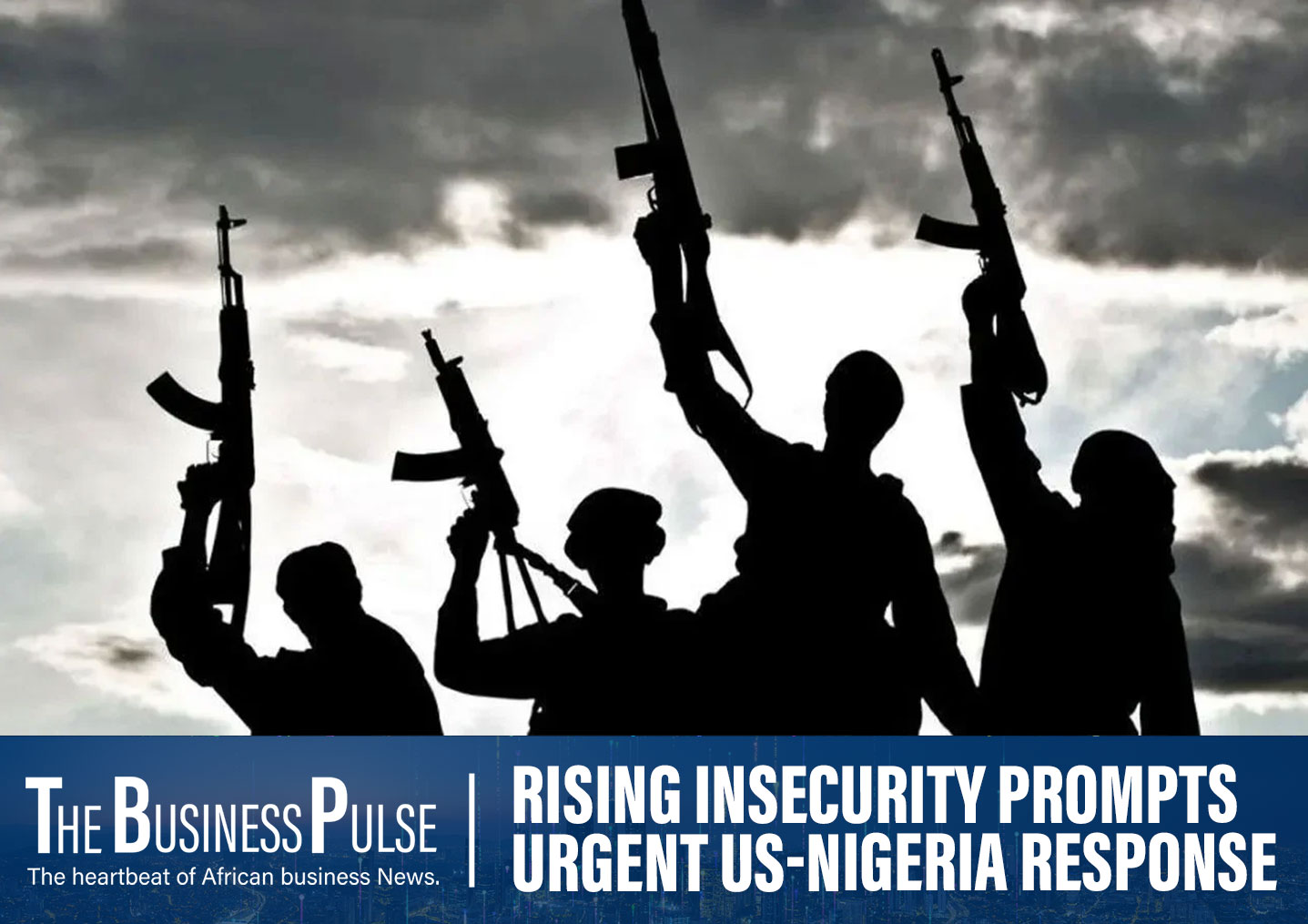
U.S. lawmakers convened a briefing this week to address Nigeria’s rising insecurity. The session aimed to gather testimony on kidnappings and targeted attacks.
The briefing was led by senior members of the House Appropriations Committee. Representatives from the Foreign Affairs and Financial Services committees also joined. The goal was to collect evidence for a report requested by the White House.
Lawmakers heard from experts and rights groups. The focus included claims of persecution, mass abductions, and threats to communities. The evidence raised serious questions for U.S. foreign policy and for bilateral relations with Nigeria.
Join our WhatsApp Group
At the same time, Nigerian lawmakers held fresh sessions at home. The lower house debated the worsening security situation. Some members openly criticised government performance. Public pressure grew for immediate action.
President Bola Tinubu declared a national security emergency in response to the crisis. He ordered an expansion of the police force and other security measures. The aim is to curb kidnappings and forest-based insurgent activity. These steps are meant to stabilise hotspots and reassure citizens and investors.
The declaration and the U.S. briefing together signal a turning point. International scrutiny of Nigeria’s security has increased. That puts pressure on policymakers to produce fast, visible results. It also raises the cost of inaction for business and civil society.
For the private sector, rising insecurity raises immediate operational risks. Companies face higher security costs. They must invest in physical safeguards, insurance, and contingency planning. Firms operating in affected states may reduce operations or pause new investments.
Also Read: Reliable Small Business Ideas for Building Steady Income
Supply chains are at risk. Road transport becomes less reliable. Longer routes, escorts, and delays add cost. Retailers and manufacturers face higher inventory and logistics expenses. These impacts reduce competitiveness and compress margins.
The banking and financial sector is not immune. Rising insecurity can slow branch operations. It can disrupt cash logistics and customer access. Banks may tighten credit to affected regions. That would reduce lending and weaken local demand. Investors watch these signs closely.
For foreign investors, the combined domestic and international focus on rising insecurity is a warning. Policy volatility increases risk perceptions. That can push investors to delay or cancel projects. Currency pressures may follow if inflows shrink. The government must show credible progress to restore confidence.
Lawmakers and analysts at the U.S. briefing urged a broader response. They recommended stronger rule of law, improved intelligence sharing, and measures to protect vulnerable communities. They also discussed targeted sanctions and diplomatic tools if abuses persist. These proposals have implications for trade, aid, and cooperation.
Nigeria’s political response has been mixed. Some ruling party members defended current strategies. Others called for urgent reforms and accountability. The debate reflects wider frustration with the speed and scale of government action. Domestic political divisions complicate implementation of security plans.
Also Read~ Join Qatar Airways as Executive Talent Acquisition Specialist
Operationally, state governments face the brunt of implementation. Many lack capacity and funding. The federal government’s plan to recruit more police and deploy trained forest guards aims to fill gaps. These moves require coordination, training, and logistical investment. Results will not be immediate.
The security crisis also affects the social fabric. Mass abductions and attacks displace communities. They disrupt schooling and local commerce. These outcomes create long-term costs for human capital and productivity. Restoring stability is therefore both a security priority and an economic imperative.
Civil society groups told the U.S. briefing that corruption and governance failures worsen rising insecurity. They argued for accountability in security spending and better oversight of local enforcement bodies. Addressing these governance weaknesses is central to durable improvement.
Short-term measures for businesses include reassessing risk exposure and reinforcing crisis plans. Companies should map staff safety protocols and review insurance coverage. They should engage with security providers and local authorities. Firms with regional operations should coordinate cross-border contingency plans.
Medium-term, private investment in local resilience can help. Public private partnerships for infrastructure, community policing, and emergency services may reduce vulnerability. Business can also support education and job programs that address the root causes of banditry and recruitment into criminal groups.
For policymakers the task is urgent. They must combine forceful security measures with governance reforms. They must increase transparency in security budgets. They must also protect civilian rights while restoring order. International cooperation can support these steps through funding, training, and intelligence exchange.
In sum, rising insecurity in Nigeria now prompts coordinated action at home and abroad. The U.S. congressional briefing and Nigeria’s own parliamentary debates reflect growing alarm. The business community must plan for higher costs and disruption. The government must deliver measurable improvements. The speed and quality of that response will determine how quickly stability returns and how fast economic confidence is restored.
Leave a Reply