
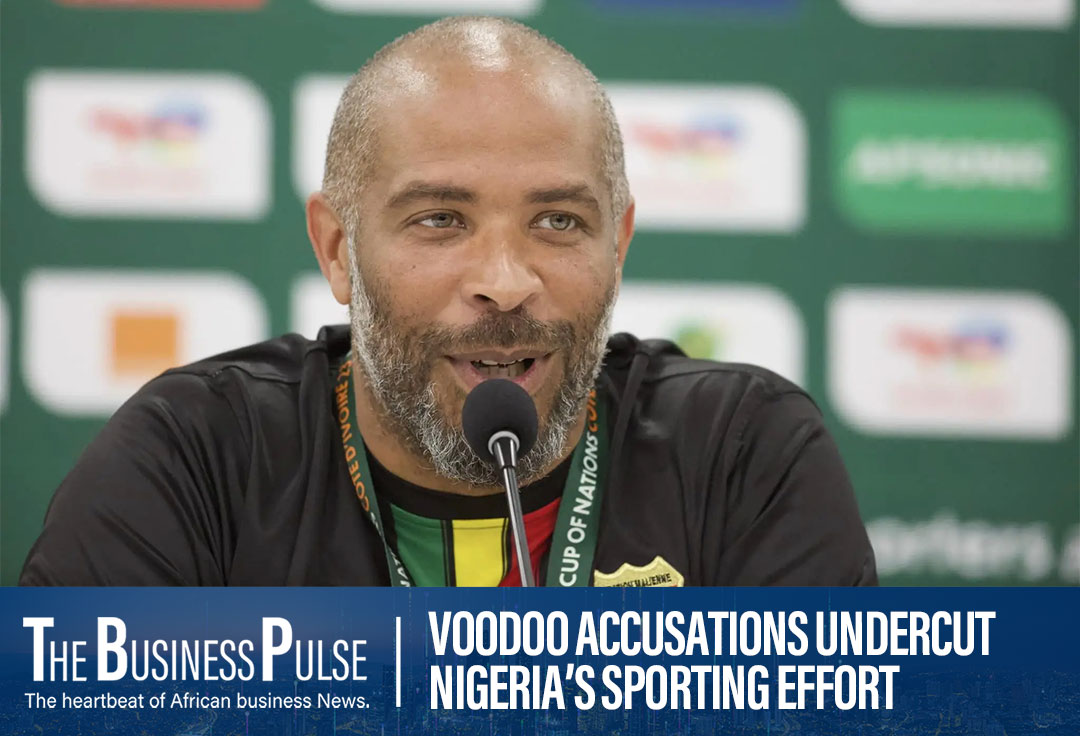
Voodoo accusations flared after the Democratic Republic of Congo beat Nigeria on penalties in a World Cup qualifying playoff. The match went to a 4-3 shootout after a 1-1 draw. The result sent DR Congo forward and left Nigeria eliminated.
The recent comments made by the former DR Congo coach caused a stir after he dismissed claims that Nigeria used voodoo during a key international football match. The story spread quickly because it touched an old and sensitive narrative in African sport: the idea that success can be the result of supernatural forces rather than training, strategy and discipline. His statement challenged that belief directly. He said the accusations were completely false and insisted that the match outcome was driven by performance, not magic.
In the original interview, he explained that he had never witnessed anything that suggested the Nigerian team used spiritual manipulation, rituals or mystical practices. Instead, he praised their commitment and preparation. According to him, Nigeria’s players trained hard, maintained focus and executed their game plan. He admitted that the loss was painful, but he refused to accept excuses that shifted responsibility away from the reality of the match.
Join our WhatsApp Group
This incident reveals a broader issue in African sporting culture. When a team succeeds, some people quickly claim that rituals, charms or spiritual powers made it possible. When a team loses, accusations of supernatural interference easily appear. These narratives often overshadow the real factors behind athletic success: systems, resources, planning and relentless discipline.
Why the Voodoo Accusations Narrative Persists
Across different parts of Africa, belief in supernatural influence remains common. Some people genuinely believe that spiritual forces can determine outcomes in sport, business or politics. In football, these beliefs have surfaced many times. There have been reports of teams hiring traditional healers, using herbs in dressing rooms or performing symbolic rituals before games. While these practices may serve as psychological support for some players, they do not replace the physical and tactical work required to win highly competitive matches.
The problem comes when such beliefs distract from accountability. Instead of analysing tactical errors, low fitness levels or poor decision-making, teams and spectators sometimes fall back on supernatural explanations. This limits growth. It prevents players and coaches from learning from failure. It shifts focus away from skill development, structured training programmes and investment in sports infrastructure.
In the case of Nigeria, the accusations not only dismissed the team’s performance but also undermined the effort behind their victory. Nigeria has a long football history. The country invests in talent development, youth tournaments and scouting networks. Many of its players train in top international leagues where the standards are high and the expectations are strict. Their success in international matches is the result of years of effort, not shortcuts.
Also Read: Mass Kidnapping in Niger State Exposes Deep Socio-Economic Wounds
The Real Drivers Behind Nigeria’s Performance
Nigeria’s football strategy has improved over the years. Coaches focus on fitness, tactical discipline, transition speed and strong defensive organisation. Players undergo intensive drills and conditioning programmes. Technical teams study match videos, build psychological resilience and work with nutritionists.
These professional processes deliver results. Hard work, structure and planning give Nigeria an advantage in many matches. When a team prepares this thoroughly, it is expected to outperform competitors who may not prioritise the same level of preparation.
The former DR Congo coach acknowledged this. He openly stated that Nigeria played better on the day and that his team needed to improve. Accepting responsibility is the first step toward long-term growth. Blaming mystical forces only slows development. His honesty reflects professionalism and respect for the sport.
How Belief in Voodoo Affects Business Culture
The football story mirrors a common issue in the business world. Some entrepreneurs believe that success is driven by luck, connections or supernatural favour. In some communities, business owners rely on rituals when launching a new venture. Others believe competitors use spiritual means to block their success. These beliefs may reduce attention on proper planning, market research, financial management, skill development and customer service. This mindset can be damaging.
A business thrives when it understands its market, builds strong operational systems, trains staff well and invests in innovation. When leaders attribute failure to supernatural interference, they avoid responsibility. They hold back from improving their products, fixing internal problems or revising their business model. In competitive markets, such an approach leads to stagnation.
The Nigerian football story offers an important lesson for business leaders. Success does not come from shortcuts. It comes from structure, practice, discipline and continuous improvement.
Encouraging a Culture of Hard Work
There is nothing wrong with personal beliefs or cultural practices. Many people find psychological comfort in rituals or symbols. But these should never replace planning and effort. Nations that succeed in sport and business do not rely on superstition. They invest in talent, data, strategy and execution. Voodoo accusations?
Nigeria’s performance shows what is possible when teams commit to excellence. DR Congo’s experience shows the importance of acknowledging weaknesses and working to fix them. Both lessons apply directly to business. The winners in any industry are those who prepare, adapt and outwork their competitors.
Moving Forward
Sport is a reflection of society. When people blame supernatural forces after a loss, it reveals fear of accountability and resistance to self-improvement. When they celebrate hard work, discipline and professionalism, it strengthens a culture of growth.
The former DR Congo coach’s rejection of voodoo accusations pushes this conversation in the right direction. His message is simple: Nigeria won because they earned it. They trained hard, stayed focused and applied their tactics effectively. There was no magic in that victory, only discipline and preparation.
If the same mindset spreads into other sectors — business, education, governance and community leadership — nations will see faster development. Hard work is not only a competitive advantage. It is a long-term investment in stability, opportunity and national progress.
Nigeria’s win is a reminder that performance matters more than superstition. And for athletes and entrepreneurs alike, the path to success remains the same: discipline, structure, learning, unwavering effort, and no voodoo accusations.
Leave a Reply