
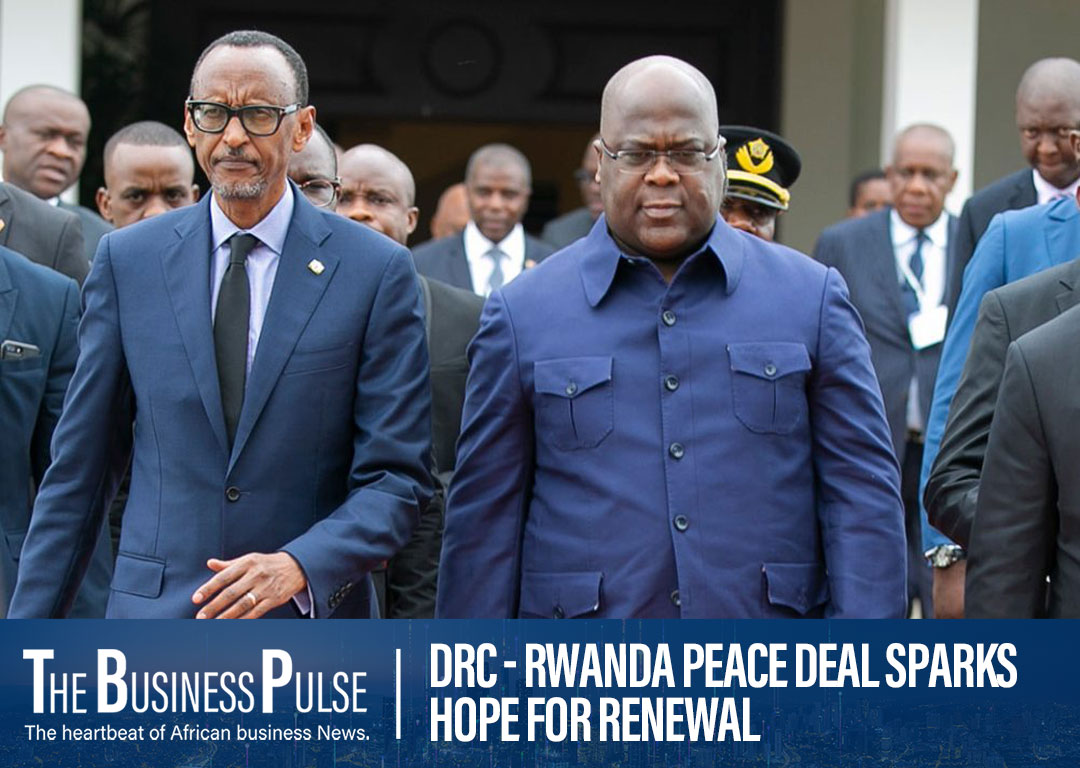
DRC Rwanda peace deal
The recent DRC Rwanda peace deal signed in Washington has stirred renewed hope across the region. The agreement offers a path toward ending decades of conflict in eastern Congo. It sets out commitments by both countries to respect territorial integrity, withdraw foreign troops, disarm militias, and create a framework for regional economic cooperation and reconstruction.
Join our WhatsApp Group
What’s in the Agreement
Under the DRC Rwanda peace deal, both nations pledged to halt hostilities and respect existing borders. Rwanda committed to withdraw its military forces from Congolese territory. In turn, the Democratic Republic of the Congo (DRC) agreed to neutralize armed groups, notably including the FDLR militia.
A joint security coordination body is to be established within thirty days. The plan also calls for disarmament of non state militias and withdrawal of all foreign defensive measures. The agreement aims to restore state authority in eastern DRC and ensure civilian safety.
Beyond security, the DRC Rwanda peace deal sets out an Economic Integration Framework. The two countries committed to cooperate on infrastructure, mineral supply chains, energy, public health, and regional trade links. This part of the agreement is designed to attract investment and support sustainable development across both nations.
Leaders involved in the negotiations described the deal as the start of a new chapter. They said peace, stability, and shared prosperity could replace decades of violence and instability that uprooted communities and destroyed livelihoods.
Also Read: Child Rescue Effort Celebrated as 100 Children Gain Freedom
Socio-Economic Impacts for DRC
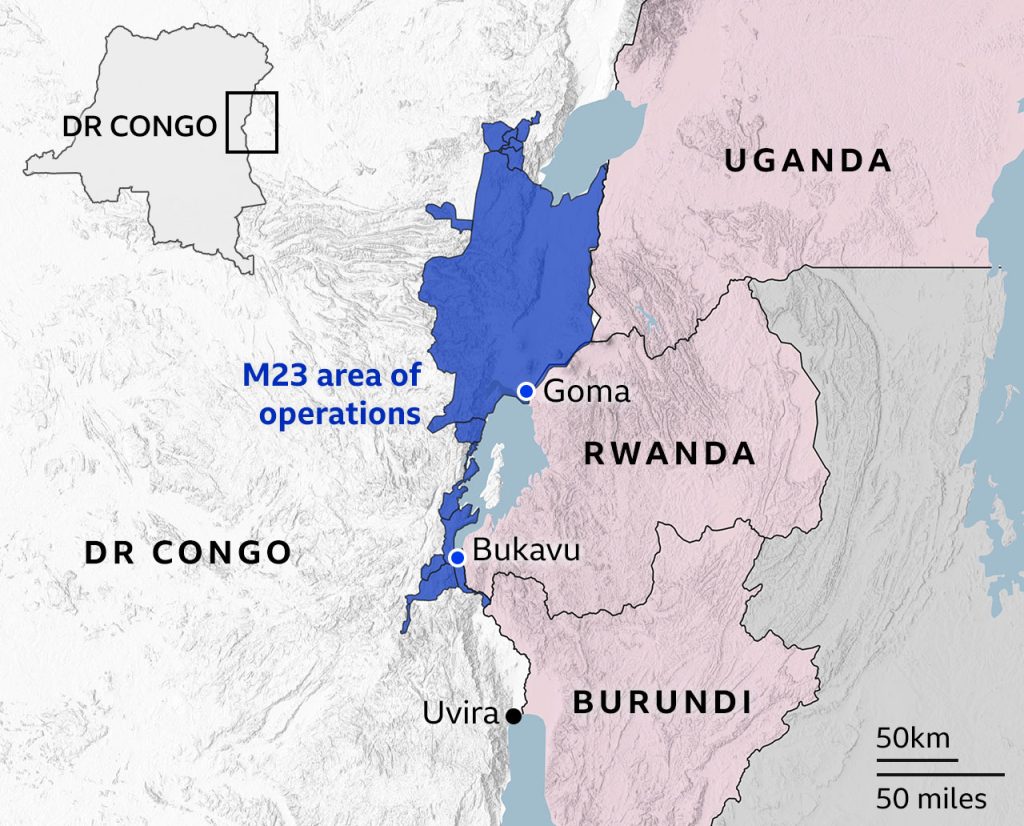
If properly implemented, the DRC Rwanda peace deal could drastically improve the socio-economic environment in the DRC, particularly in the eastern regions long battered by violence.
First, renewed stability would encourage investors to return. Eastern Congo is rich in minerals such as cobalt, copper, tantalum, lithium, gold and tin. With security and a formal cooperation framework, mining and processing industries could restart under regulated conditions. That could spur job creation, infrastructure investment, and formal revenue streams.
Second, infrastructure and regional trade may get a boost. The agreement calls for new transport links, energy projects, and integration into regional supply networks. Better roads, border crossings, and logistic corridors will ease movement of goods and people. Local businesses, agriculture, mining, and commerce stand to benefit, reducing the high cost and risk that previously discouraged economic activity.
Third, social recovery becomes possible. Decades of conflict displaced communities, destroyed farms, schools, and basic services. Under the peace agreement, return of displaced populations, re-opening of schools and businesses, and restoration of livelihoods can begin. This could improve education outcomes, stabilize communities, and reduce long-term social disruption.
Fourth, regulated mining and economic integration could reduce reliance on illicit trade and conflict driven exploitation. Formal jobs in mining, processing and supply chain services would offer stable income rather than risky informal or illegal activities. That shift could help rebuild public trust, improve governance, and provide safer, formal employment for youth.
Finally, successful implementation could raise government revenues. Proper taxation and licensing of mining and trade under the DRC Rwanda peace deal might bolster public finances, enabling investment in infrastructure, health, education and community services. That would accelerate development and benefit many sectors over the long term.
Risks and Challenges Ahead
While the DRC Rwanda peace deal brings hope, its success depends on real actions, not just promises. Security remains fragile. Several armed groups remain active in the region, and their commitment to disarm or integrate is uncertain. The withdrawal of foreign troops must be verified, and disarmament must be effectively enforced.
Implementation of the economic framework faces hurdles. Infrastructure is poor, corruption is widespread, and regulation is weak. Building trust with investors and communities will demand transparency and firm governance. Delays or half hearted reforms could derail progress.
There is also scepticism about motives. Some analysts argue this peace deal is more about accessing mineral resources than about genuine peace. Without robust safeguards, mining operations may resume without benefiting local communities, perpetuating past exploitation patterns.
Social healing will take time. Years of conflict damaged social cohesion, education, trust in governance, and local economies. Rebuilding requires more than security. It demands investment in human capital, reconstruction, inclusivity and social services.
Also Read: Job Vacancy: Deputy Director – ECOSOC Rights at KNCHR
Looking Forward: What Must Happen
For the DRC Rwanda peace deal to deliver results, several key steps are needed:
- Immediate verification of troop withdrawal and a transparent schedule for disarmament of militias.
- Rapid formation and resourcing of the joint security coordination body to monitor compliance.
- Launch of the economic integration framework, starting with small infrastructure and public private projects to build trust.
- Reform of mineral licensing, ensuring fair contracts, community benefits and environmental safeguards.
- Investment in community rebuilding, including education, health, resettlement and social services for displaced people.
- Support for private sector growth, encouraging entrepreneurs, local businesses, mining services and supply chain companies.
If these steps are taken seriously, the DRC Rwanda peace deal can be more than a diplomatic headline. It can become a foundation for lasting peace, growth and social recovery in a region long held back by violence and instability. For the people of eastern DRC, this agreement offers a long awaited chance for rebuilding, hope and a future of prosperity.
Leave a Reply