
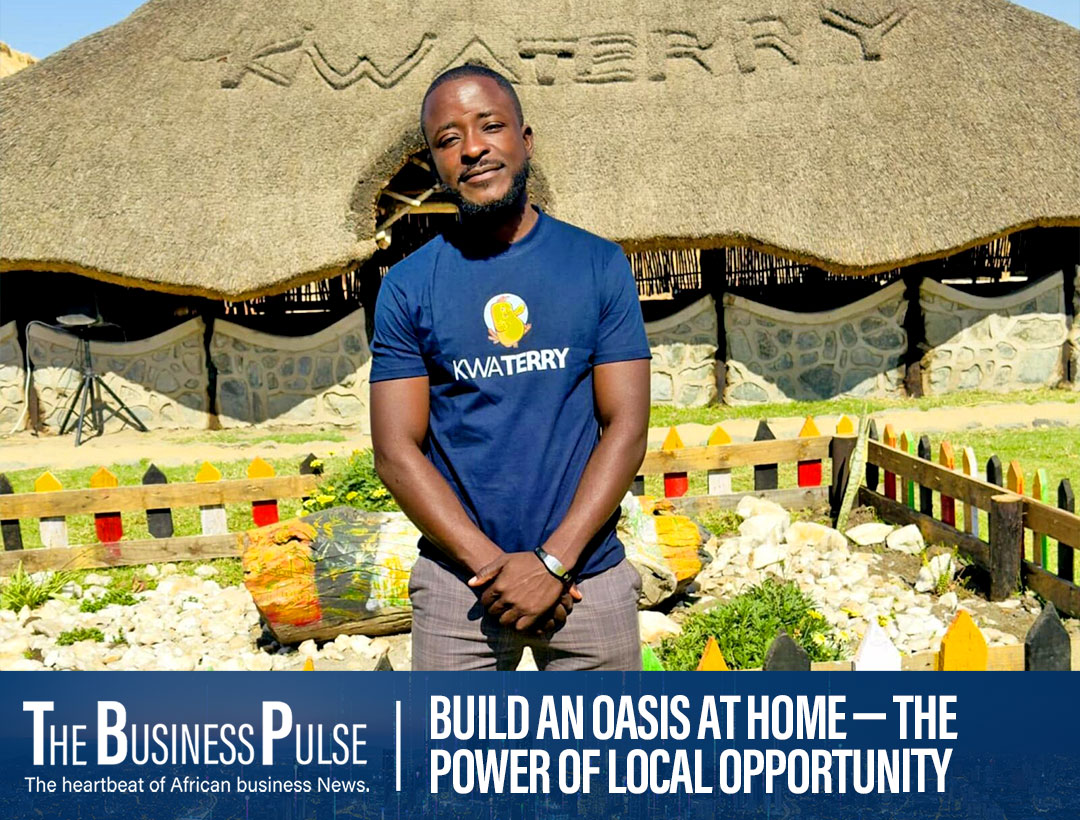
Terence Maphosa: Building an Oasis and Driving Rural Success in Zimbabwe
When Terence Maphosa returned to his village after university he faced the same choice many African youth face: leave for the city or stay and survive. He chose a third path. He built. From a small flock of chickens to a thriving restaurant and lodge, Terence Maphosa turned a rural homestead into a living business classroom. His story is not only inspiring. It is a blueprint that asks young people to rethink scarcity and see creative possibility in place.
Commentary for Young Leaders
Ask yourself: what do you already have that others need? The impulse to wait for perfect conditions is often a luxury of the privileged. Most change starts with available resources, not ideal ones.
The first venture was practical: poultry. With limited land and capital, Terence Maphosa chose a low-cost, high-impact product. He bought indigenous chicks, learned husbandry on the job, and slowly scaled. Early mistakes taught him resilience. When a bad vendor duped him he did not quit. He recalibrated, learned breed standards, and improved supply chains. The income from chickens funded the next idea.
Join our WhatsApp Group
Commentary: Tactical Lesson
Start with an experiment you can afford to fail. Test demand, test costs, and learn quickly. Small wins create credibility and fuel bigger moves.
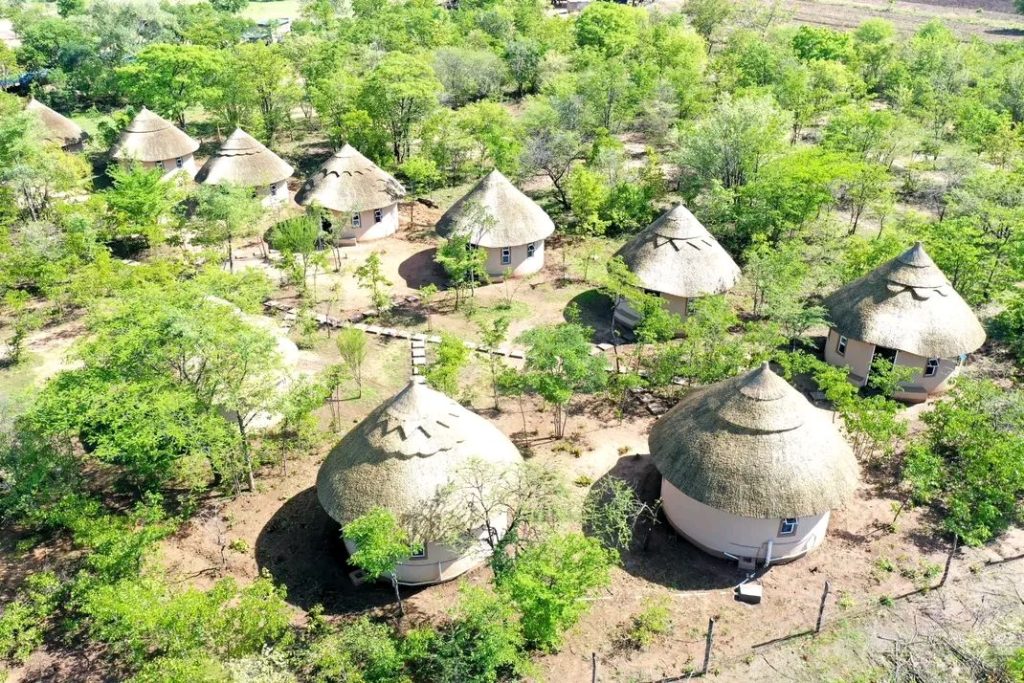
From farm to table—to tourism: the restaurant and lodge. Terence Maphosa built a restaurant that served food grown on his land. He offered authentic experiences: thatched dining, local dishes, and cultural performances. The lodge extended the value chain. Guests paid not just for food but for an immersive story. By packaging culture and agriculture together he created a market that did not exist before.
Now pause and compare. Many youths believe success demands migration. Yet Terence Maphosa shows that place can be a competitive edge. Urban markets are crowded and expensive. Rural areas hold cultural authenticity, lower operating costs, and untapped tourism potential. The trick is to convert those into customer value.
Also Read: Build Impactful Infrastructure as a UNOPS Civil Engineer
Commentary: Socio-Economic Reflection
Why do so many talented young people leave rural areas? Structural reasons matter: weak infrastructure, limited finance, and policy neglect. But the choice to stay and build can change local economies if paired with smart risk-taking and market savvy.
Consider the broader environment. Zimbabwe’s rural economy faces unreliable power, poor transport, and sparse capital. Terence Maphosa dug a borehole to solve water gaps and used solar power. He diversified—chickens, vegetables, guest services—to spread risk. That ability to pivot is a lesson about structural vulnerability: when systems fail, resilience is built by diversity and adaptive planning.
Commentary: Practical Takeaway
Plan for constraints. If roads are bad, focus on products with long shelf life. If capital is scarce, build revenue streams that fund each other. Diversify early, not later.
Equally important is social impact. Terence Maphosa did not hoard success. He trained staff, hired locals, and gifted chicks to dozens of young people to help them start their own farms. This is entrepreneurship as ecosystem building. When one project seeds others, the local multiplier effect transforms poverty into enterprise.
Now think about psychology. Leaving is often a decision rooted in fear: fear of failure, of stigma, of missing out. Terence Maphosa framed his choice differently. He treated his village as an experiment lab. He embraced humble beginnings as legitimate starting points and shared progress publicly. That narrative—of visible, tangible progress—inspires others.
Also Read: DRC – Rwanda peace deal Sparks Hope for Renewal
Commentary: Motivational Nudge
Narrate your wins. Publicly share process and setbacks. When you show learning, others follow and local markets grow.
Recognition followed, but that is secondary. Awards, media attention, and speaking invitations amplified the work and unlocked partnerships. Those external signals validated what began as a small local experiment. Yet the core remains: daily discipline, customer focus, and community investment.
Finally, imagine scaling. Terence Maphosa did not chase fast expansion for prestige. He expanded thoughtfully, adding services that fit his context. For readers, that is the essential comparison: growth is not about optics. It is about sustainable steps that respect local constraints and build local capacity.
Commentary: Strategic Advice
Measure impact, not just income. Track how many jobs you create, how many people you train, and how many local suppliers you use. These numbers tell a stronger growth story than a flashy launch.
Terence Maphosa’s journey is energizing because it is replicable. It asks a generation to stop assuming failure is inevitable at home. Socio-economic barriers are real, but so are creative responses: product fit, diversification, local culture, and community reinvestment. If you are a young person reading this, compare your fears to his small, concrete steps. What experiments can you start this week?
In the end, Terence Maphosa built an oasis by turning what others saw as desert into advantage. His path reminds us that the best investment can be your hometown. Start local, think bold, and grow responsibly. If you want to change your life and the lives of others, it is time to get up and build.
Leave a Reply