
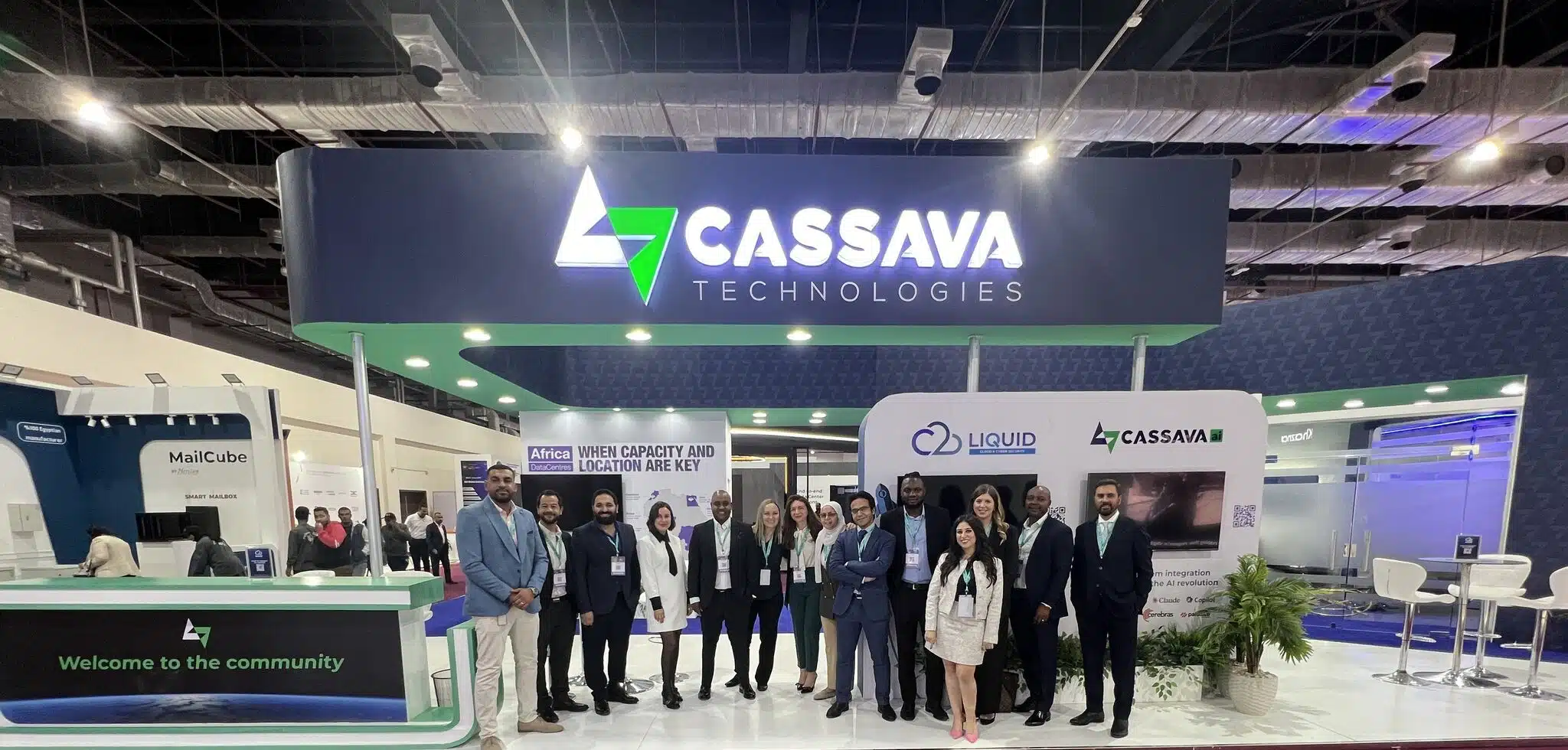
Cassava GPUaaS launched a regional GPU-as-a-Service platform that brings high-performance compute closer to African users. Cassava GPUaaS aims to lower latency, reduce costs for model training and keep sensitive data within the region, making it easier for local developers and governments to run advanced AI workloads.
The immediate technical benefit is reduced latency. When compute is hosted locally, applications that require real-time responses perform better. Developers using Cassava GPUaaS see faster model training and inference times. This matters for use cases such as video analytics, real-time diagnostics and edge AI applications where delay undermines performance.
Cost is another clear advantage. Buying and maintaining GPU clusters is capital intensive. Cassava GPUaaS lets startups and SMEs access burst compute on demand. This shifts AI costs from fixed capital expenditure to variable operating expenditure. Smaller companies can therefore run large experiments, train complex models and iterate faster without heavy upfront investment.
Data governance and digital sovereignty are strategic gains. Cassava GPUaaS enables governments and institutions to host sensitive workloads locally. That reduces legal and compliance risks tied to cross-border data transfer. National research centres, health ministries and agricultural agencies can run AI projects while retaining control of their datasets. This supports public sector use of AI in diagnostics, crop forecasting and traffic management.
The platform also supports talent development. Access to nearby GPUs encourages hands-on training, research and product development. Universities and coding bootcamps can use Cassava GPUaaS for practical labs and projects. Local access builds skills more rapidly than remote or intermittent compute access. Over time, this helps create an ecosystem of engineers, data scientists and startups that design solutions for African markets.
Also Read: SADC Entrepreneur Resilience: Practical Steps to Succeed
How businesses should respond is straightforward. First, integrate Cassava GPUaaS into R&D workflows for faster prototyping. Use on-demand GPU time for heavy model training, then revert to lower-cost hosting for production inference where feasible. Second, form partnerships that bundle GPU access with application development and managed services. Third, invest in staff training to extract full value from GPU resources. These steps make Cassava GPUaaS a practical growth lever for firms building AI products.
Governments and public institutions can take targeted actions. Prioritise public-private projects that use Cassava GPUaaS to deliver social value. Fund pilots in agriculture, health and urban management that rely on local compute. Update procurement rules to favour regional hosting when data sovereignty is a concern. Support training initiatives that connect universities and industry to the platform. These actions multiply the social return on infrastructure investment.
There are operational requirements to consider. Reliable power and high capacity connectivity are prerequisites for effective GPU hosting. Cassava GPUaaS works best where network latency and energy supply are stable. Policymakers should therefore pair compute rollouts with investments in grid resilience and fibre backhaul. Governments can also offer tax incentives or matched funding to accelerate private investment in local data centres.
Security and governance matter. Firms using Cassava GPUaaS should adopt robust access controls, encryption and model governance practices. Governments should publish clear data handling standards and transparency rules for public AI projects. This reduces misuse risk and increases public trust in AI systems running on regional infrastructure.
The economic case is strong. Cassava GPUaaS lowers entry barriers for AI startups, reduces reliance on overseas cloud providers and keeps value capture within regional markets. For investors, the platform signals more predictable infrastructure for AI ventures. For universities and research centres, it unlocks projects that were previously cost or latency constrained.
Cassava GPUaaS is not a silver bullet. It requires complementary investments in power, networks and skills. It also needs sound procurement and anti-monopoly safeguards to ensure open access and competitive pricing. Yet when combined with active government support and private sector engagement, Cassava GPUaaS can accelerate AI adoption across multiple sectors.
In short, Cassava GPUaaS provides a practical pathway for African innovators to build and scale AI solutions locally. Firms and public institutions that integrate the platform into development cycles will gain performance, cost and governance advantages. The platform can help turn compute infrastructure into jobs, skills and products that address real African challenges.

Head of Business Development, Alula Animation. With 10 years in advertising and sustained involvement in startups and entrepreneurship since graduating from business school and the School of Diplomacy and International Relations, Beloved researches and writes practical business analysis and verified job-market insights for The Business Pulse Africa.
Leave a Reply