
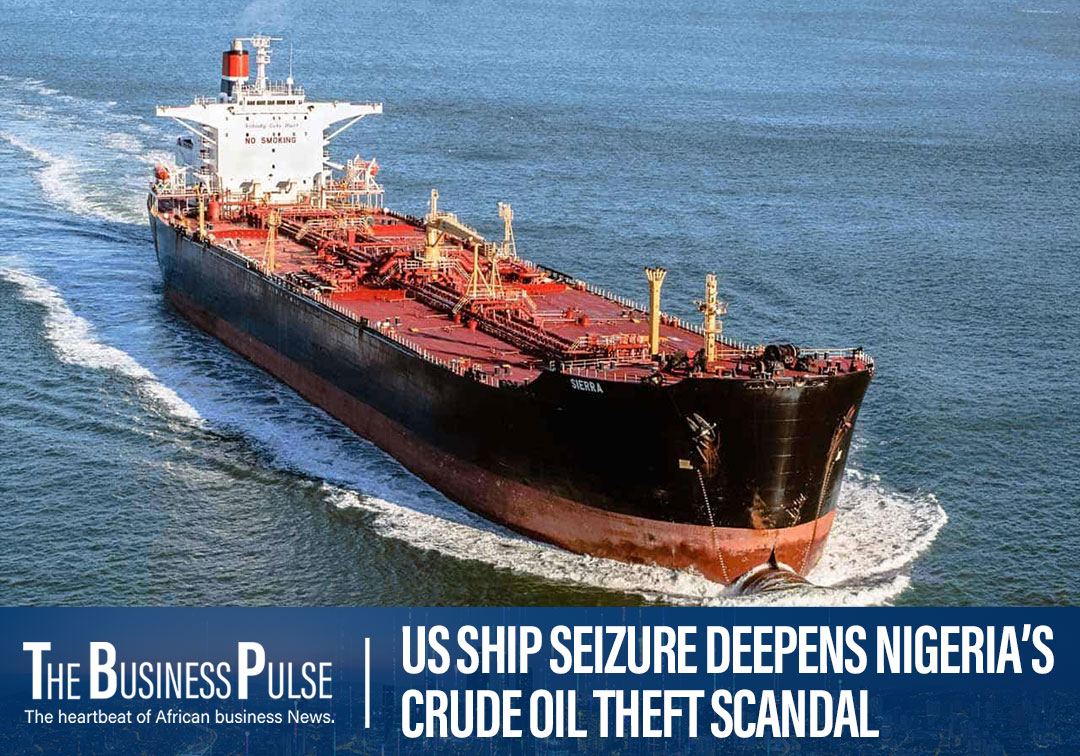
Nigeria: crude oil theft scandal
The recent seizure of a Nigerian-owned supertanker by the United States has ignited another crude oil theft scandal at a time when West Africa’s energy sector is facing intense scrutiny. The vessel, allegedly involved in transporting stolen crude, has become a symbol of the region’s ongoing struggle with illicit oil networks, regulatory lapses, and the financial damage caused by fraudulent operators. Although the individuals involved deny wrongdoing, the action taken by US authorities signals that the international system is tightening its grip on oil-related crimes. This incident is now a cautionary marker for governments, investors, and regulatory bodies across Africa.
Join our WhatsApp Group
What Happened
According to official statements, the US intercepted and seized a massive supertanker said to be carrying crude obtained through unlawful means. The vessel, connected to Nigerian business interests, had allegedly been part of a broader crude oil theft scandal that has long plagued Nigeria’s petroleum industry. The US move was based on intelligence indicating that the cargo was sourced outside legitimate channels and possibly linked to one of the organized rings responsible for siphoning, re-routing, and selling crude on the black market.
While the owners deny all allegations, the US maintains that the ship was violating established maritime and trade laws. By exercising jurisdiction over the vessel, American authorities have signaled a wider willingness to intervene when stolen natural resources enter the global supply chain. The scale of the vessel alone a gigantic supertanker capable of holding massive volumes of crude has intensified the global conversation.
Also Read: Voodoo Accusations: Nigeria’s Football Controversy Lesson
The Bigger Picture: Nigeria’s Long Battle With Oil Theft
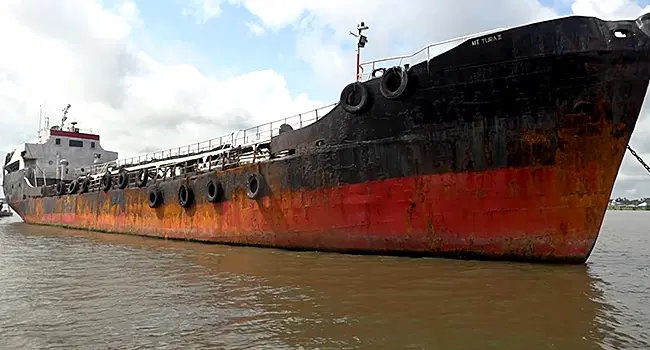
Oil theft has haunted Nigeria for decades, costing billions in revenue annually and damaging the country’s global reputation. Each new crude oil theft scandal weakens trust, deters investors, and places legitimate operators under suspicion. It is not only a matter of stolen barrels; it is also a matter of national credibility.
In this case, the supertanker seizure is not an isolated event. Over the past few years, security forces, international agencies, and private watchdogs have repeatedly uncovered complex operations involving illegal tapping of pipelines, falsified documentation, and covert shipping routes. These syndicates are sophisticated, well-funded, and deeply embedded.
The US action demonstrates that these crimes are not purely local. Once stolen crude enters international waters, it becomes part of a global crude oil theft scandal that touches corporations, refineries, traders, and shipping companies across multiple continents.
Diplomatic and Economic Implications
The diplomatic consequences for Nigeria could be significant. The US decision to seize the vessel sends a message that international partners expect African governments to step up enforcement. It also shows that the global community will not tolerate loopholes that allow stolen crude to move freely.
Nigeria is attempting to restructure its energy economy, and this incident arrives at a sensitive time. Investors who may already be cautious now see another major crude oil theft scandal, raising questions about oversight and sector governance. Although authorities in Nigeria have pledged cooperation, the situation underscores the gap between policy reform and on-the-ground enforcement.
Economically, the incident could influence crude export flows. Any perception that Nigerian cargoes may be flagged for suspicion can lead to delays, higher insurance costs, and complicated compliance procedures for legitimate exporters. Transparency and verification measures may have to be strengthened quickly.
Also Read: Nigeria Aviation Manufacturing Plans Signal a New Era of Growth
Legal Stakes for the Ship Owners
For the owners of the supertanker, the legal battle ahead could be extensive. If proven guilty, the consequences may include forfeiture of cargo, financial penalties, and long-term restrictions from certain trade corridors. Even if they are eventually cleared, their involvement in a high-profile crude oil theft scandal could affect future commercial relations.
In international maritime law, vessels suspected of transporting illicit goods can be seized, auctioned, or held indefinitely pending investigations. This creates operational paralysis for the owners, and the financial impact can be severe.
How This Affects Regional Maritime Security
West Africa has long been a hotspot for piracy, smuggling, and illegal crude operations. The US move highlights the continuing vulnerability of the Gulf of Guinea. Shipping observers maintain that without stronger regional cooperation, more incidents like this could occur.
The seizure sends a reminder that illicit crude flows are becoming increasingly traceable due to advanced satellite tracking, digital shipping records, and cross-border intelligence sharing. Those who continue to participate in these networks may find themselves exposed in ways that were impossible a decade ago.
This global tightening of oversight could eventually shrink the room for illegal operators, but only if African states upgrade monitoring capacity and prosecute offenders decisively.
Lessons for the Energy Sector
This event should push Nigeria and other oil-producing states to renew efforts to secure infrastructure, modernize pipeline technology, and enforce real-time monitoring. It may also prompt reforms in licensing procedures, vessel tracking, documentation, and accountability structures.
Every crude oil theft scandal drains national resources and shifts attention away from development priorities. Investors prefer clarity, stability, and reliable governance. If African energy markets wish to attract long-term capital, they must demonstrate a serious commitment to eradicating illicit oil networks.
A Turning Point for Accountability?
The US seizure could become a turning point. It demonstrates how increasingly difficult it is for illegal crude operations to hide behind borders. As the global market becomes more monitored and digitalized, those involved in crude oil theft scandals face heightened exposure.
If Nigeria responds to this incident with transparent communication, strict enforcement, and improved regulatory practices, it could help rebuild confidence. If not, the cycle of scandals may continue, causing economic and reputational damage.
Conclusion
The seizure of the Nigerian-owned supertanker is more than an isolated maritime incident. It is a defining moment that touches on global trade, diplomacy, law enforcement, and Africa’s energy future. It serves as another stark reminder of how crude oil theft scandals weaken national economies and undermine international trust.
To move forward, Nigeria and its regional partners must commit to stronger lines of defense, cleaner governance, and uncompromising accountability. Only then can Africa’s energy markets evolve into secure, credible, and competitive environments for global trade.

Head of Business Development, Alula Animation. With 10 years in advertising and sustained involvement in startups and entrepreneurship since graduating from business school and the School of Diplomacy and International Relations, Beloved researches and writes practical business analysis and verified job-market insights for The Business Pulse Africa.
Leave a Reply