
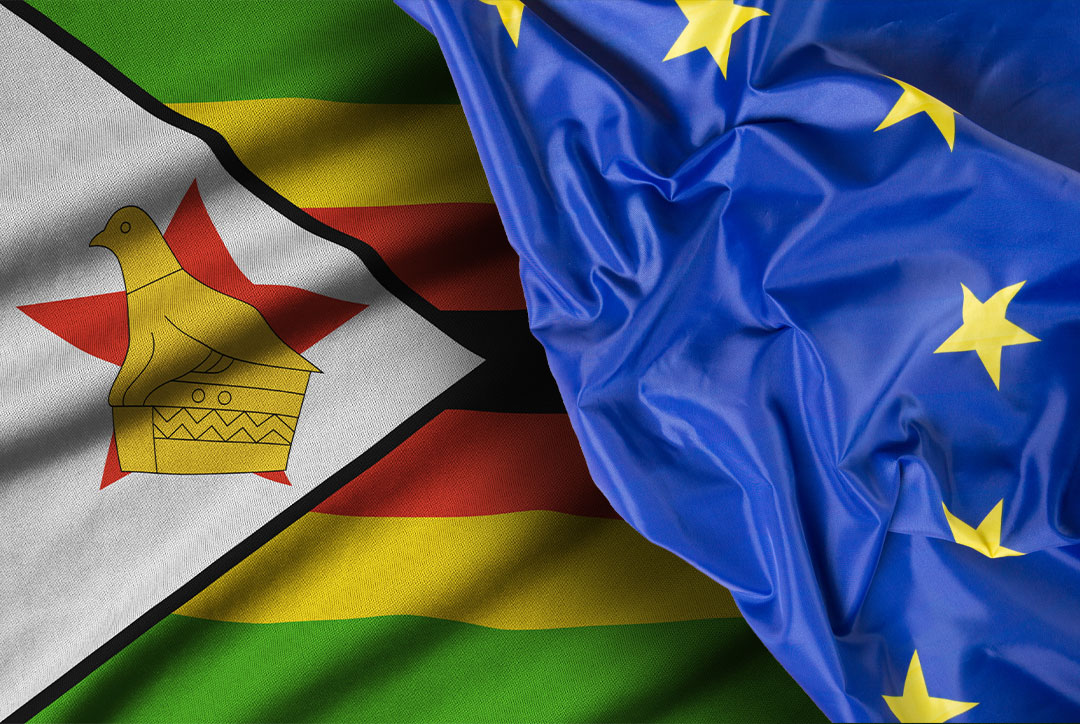
EU Sanctions on Zimbabwe Shift
The European Union has taken a significant step in reshaping its long-running EU sanctions policy toward Zimbabwe, lifting travel bans and asset freezes on all previously listed individuals and entities while maintaining its arms embargo for another year.
This decision means that, for the first time in decades, no Zimbabwean individuals or companies are subject to EU financial or travel restrictions. However, the EU has extended the prohibition on supplying arms and related military equipment that could be used for internal repression until February 2027.
The move signals a transition from punitive isolation toward diplomatic engagement, even as the EU continues to express concern about governance and human-rights conditions.
Join our WhatsApp Group
What the EU Has Changed
Under its annual review process, the EU:
- Removed travel bans and asset freezes from its restrictive measures framework.
- Confirmed that no Zimbabwean officials or companies remain listed under these sanctions.
- Extended the arms embargo by one year.
This means the central focus of EU sanctions has shifted away from economic and personal restrictions and toward security-related controls only.
In practical terms, the removal of targeted measures reduces legal and political barriers to cooperation in areas such as trade, development funding, and diplomatic engagement.
Background: How EU Sanctions Began
The EU first imposed a sanction on Zimbabwe in the early 2000s following concerns over governance practices, disputed elections, and alleged human-rights abuses during the administration of Robert Mugabe.
These measures included:
- An arms embargo.
- Travel bans on senior officials.
- Freezing of assets belonging to designated individuals and state-linked entities.
Over the years, the scope of EU sanctions gradually narrowed as political conditions changed and dialogue resumed. The last remaining listed entity, Zimbabwe Defence Industries, was recently removed from the sanctions register, paving the way for the current announcement.
The EU reviews these measures annually under its Common Foreign and Security Policy framework, meaning the policy evolves rather than ends abruptly.
What Happens Next
Going forward:
- The arms embargo remains in force, limiting Zimbabwe’s access to European military equipment.
- The EU has stated it is ready to deepen bilateral relations in areas of mutual interest, including trade, investment, and development cooperation.
- Future decisions on EU sanctions will continue to be reviewed annually.
This approach allows the EU to maintain leverage while testing whether closer engagement can encourage political and institutional reform.
What This Means for Zimbabwe’s Government
For the Zimbabwean government, the lifting of targeted EU sanctions carries both symbolic and practical importance.
Diplomatically, it suggests recognition that relations have improved enough to justify removing personal penalties on officials. This may help Harare rebuild political credibility in Europe after years of strained relations.
Economically, the absence of asset freezes and travel bans may make it easier to:
- Re-engage with European financial institutions.
- Attract investment from EU-based companies.
- Expand cooperation in infrastructure, agriculture, and renewable energy projects.
However, the continued arms embargo signals that concerns remain. The EU’s decision to keep this restriction in place indicates that governance and security issues are still unresolved from Brussels’ perspective.
What This Means for Ordinary Zimbabweans
For the average citizen, the change in EU sanctions may not bring immediate relief at the checkout counter, but it alters the broader economic environment.
Potential benefits include:
- Greater access to European development assistance.
- Improved trade prospects with EU markets.
- Stronger diplomatic ties that could unlock funding and technical support.
Removing the personal and corporate sanctions also reduces the stigma associated with Zimbabwe in international financial systems, which has historically complicated investment and credit access.
However, the arms embargo and the EU’s cautious language show that reforms remain essential if deeper economic integration is to follow.
ALSO READ: Human Right Foundation Intern Vacancy – Apply for a Global Human Rights Internship
A Shift in Strategy, Not a Full Reset
The EU’s position reflects a shift from confrontation to conditional engagement. While the core arms embargo remains, the removal of most other measures marks a clear change in how EU sanctions are being applied.
Rather than focusing on punishment, the EU is now emphasizing dialogue, cooperation, and incentives. This approach suggests that the future of the sanction on Zimbabwe will depend less on historical grievances and more on current political and economic conduct.
Conclusion
The latest EU decision does not end sanctions entirely, but it does reshape them. By lifting travel bans and asset freezes while keeping the arms embargo, the EU has signaled cautious openness to rebuilding relations with Zimbabwe.
For Zimbabwe’s government, this offers an opportunity to expand diplomatic and economic engagement. For citizens, it raises the possibility of renewed trade and investment links with Europe. The long-term impact will depend on whether political stability and institutional reforms continue.
The evolution of EU sanctions now appears less about isolation and more about influence through engagement, marking a new phase in the relationship between Europe and Zimbabwe.

Head of Business Development, Alula Animation. With 10 years in advertising and sustained involvement in startups and entrepreneurship since graduating from business school and the School of Diplomacy and International Relations, Beloved researches and writes practical business analysis and verified job-market insights for The Business Pulse Africa.
Leave a Reply