
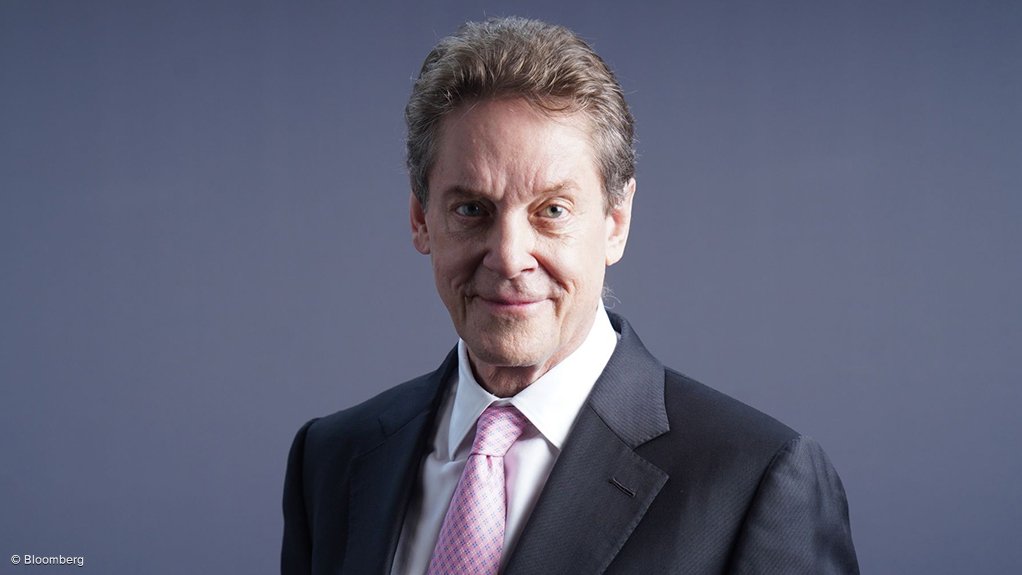
Robert Friedland has opened the first phase of the Platreef mine in South Africa. The ceremony marks a major milestone for a deposit that took decades to reach full development. The project brings significant investment, new jobs and broader economic opportunities to the region.
Friedland is the founder and executive co-chairman of the company leading the project. He is a well known figure in global mining. His track record includes large, complex developments across multiple continents. Platreef is his latest major investment in Africa and his first large greenfield mine in South Africa.
The initial capital commitment covers the first two phases of Platreef. Management describes these phases as the foundation of a larger plan. A possible third phase could add more capacity and extend the mine’s operational life. The phased approach aims to balance capital expenditure, production ramp up and risk management.
Platreef is a multi commodity deposit. It contains platinum group metals, nickel, copper and gold. The mix of metals supports diverse revenue streams. That diversity also helps the project manage commodity cycles. Market demand for platinum group metals is supported by both traditional uses and emerging green technologies.
The mine already employs thousands of people. Most of the workforce comes from nearby communities. Local hiring has been a clear priority in planning and construction. The company reports that a significant share of equity sits with black economic empowerment partners. Local communities have direct stakes in the project through structured ownership arrangements.
Also Read ~ Microsoft’s Project Gecko Sets a Bright New Path for AI in Kenya
South Africa will feel the economic effects in several ways. Direct employment is the most visible benefit. Construction and ongoing operations also support contractors, suppliers and service firms. Local procurement can lift small businesses and create new jobs in the region. Taxes, royalties and other fiscal contributions will add to government revenues over time.
Platreef is positioned as a strategic supplier for industrial and green technology markets. Platinum group metals are critical for catalytic converters, hydrogen production, fuel cells and other low carbon technologies. Growing demand from the green energy transition strengthens the project’s long term business case. For South Africa, Platreef reinforces the country’s role as a global supplier of critical minerals.
The project faced many delays and setbacks over the years. Changes in commodity prices, shifts in capital allocation and regulatory hurdles slowed earlier progress. The recent investment surge reflects stronger metal prices and renewed confidence from investors. It also signals a vote of confidence in South Africa’s potential to host large modern mining projects.
Risks remain and must be managed. The industry is exposed to commodity price swings. A downturn in metal prices would hurt revenues and project returns. Environmental and water management are major concerns. Mining operations need robust plans to protect ecosystems and local water supplies. Failure to meet environmental standards could undermine the project and harm community trust.
Community relations will determine much of the project’s social licence to operate. Delivering promised benefits to local residents is essential. Transparent reporting on employment, procurement and environmental performance will be important. The company must ensure that community shareholders receive real and sustained value.
Infrastructure and logistics matter for long term success. Power supply, transport corridors and skilled labour all influence operating costs and productivity. South African policy makers and industry leaders must coordinate to support reliable infrastructure. If the regulatory and logistical environment works, Platreef can expand efficiently. If not, the mine could face cost pressures and delays.
Corporate governance and compliance are also central. International investors expect high standards. Strong governance will help attract further capital and reduce financing costs. It will also protect the reputations of both the company and South Africa’s mining sector more broadly.
For investors, Platreef offers exposure to a diversified basket of metals tied to both traditional industrial demand and emerging green technologies. For local businesses, the project can create supplier opportunities and skills development programmes. For workers, it provides jobs, training and careers. For the country, it delivers foreign direct investment and fiscal receipts.
Robert Friedland’s entry into South Africa with this major project sends a broader message. It shows that large, well financed mining ventures can still be viable in the country. It also highlights the importance of aligning project design with social and environmental expectations.
The next phases will determine whether Platreef becomes a long term engine of regional development. Execution on operational targets and delivery on social commitments will matter most. If the project succeeds, it could set a benchmark for how new mines are developed in South Africa and across the region.
In short, Platreef is more than a large mine. It is a test of modern mining practices, community partnership and strategic investment. For South Africa, Friedland’s project offers an important opportunity to channel natural resources into broad based economic gains. The outcome will influence investor sentiment and the future of large scale mining development in the country.

Head of Business Development, Alula Animation. With 10 years in advertising and sustained involvement in startups and entrepreneurship since graduating from business school and the School of Diplomacy and International Relations, Beloved researches and writes practical business analysis and verified job-market insights for The Business Pulse Africa.
Leave a Reply