
Lake Kariba
Situated on the border between Zambia and Zimbabwe, Lake Kariba stands as a monumental feat of 20th century engineering and a vital resource for Southern Africa. Created by damming the mighty Zambezi River, it is the largest man-made reservoir in the world by volume, holding approximately 180 km^3 of water. While many massive dams are built for a single purpose, Lake Kariba was designed as a multi-functional asset that serves as the industrial and social backbone for two nations. This article explores the various uses and purposes of this inland sea, highlighting its role in energy, food security, and regional culture.
Join our WhatsApp Group
The Powerhouse of the Zambezi
The primary driver behind the construction of the dam was the generation of hydroelectric power. Lake Kariba feeds two major power stations: the Kariba South Bank in Zimbabwe and the Kariba North Bank in Zambia. Together, these facilities provide a significant portion of the electricity required to run the copper mines of Zambia and the industrial sectors of Zimbabwe. Because the reservoir holds such a vast volume of water, it allows for consistent power generation even during periods of fluctuating rainfall, though recent climate shifts have tested this resilience. The hydroelectric potential of Lake Kariba remains a cornerstone of the regional energy grid, supporting millions of households and thousands of businesses. The reliable output of Lake Kariba provides the energy security necessary for long term industrial planning.
Fisheries and Food Security
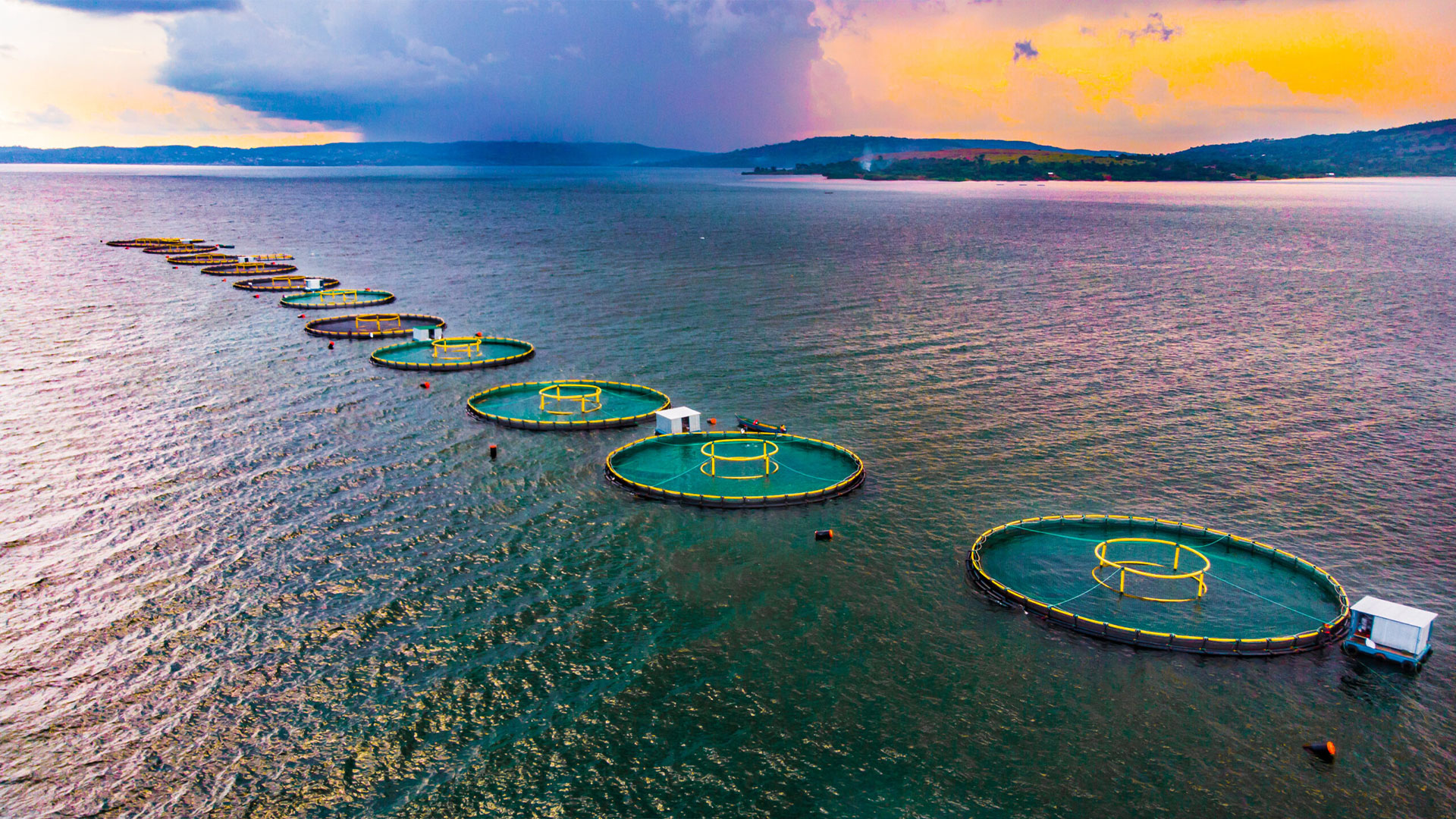
Beyond electricity, Lake Kariba is a massive contributor to regional food security through its thriving fishing industry. The introduction of the Kapenta, a small sardine-like fish from Lake Tanganyika, in the late 1960s transformed the lake into a commercial powerhouse. Today, thousands of tons of Kapenta are harvested annually, providing an affordable source of protein for people across Southern Africa. Additionally, the lake supports a robust gill-net fishing industry and large-scale tilapia aquaculture. For many coastal communities, the waters of Lake Kariba are the primary source of income, fostering a specialized economy built around boat building, net making, and fish processing. This sustained activity has effectively transformed Lake Kariba into a commercial hub for the surrounding provinces.
Tourism and the Wilderness Economy
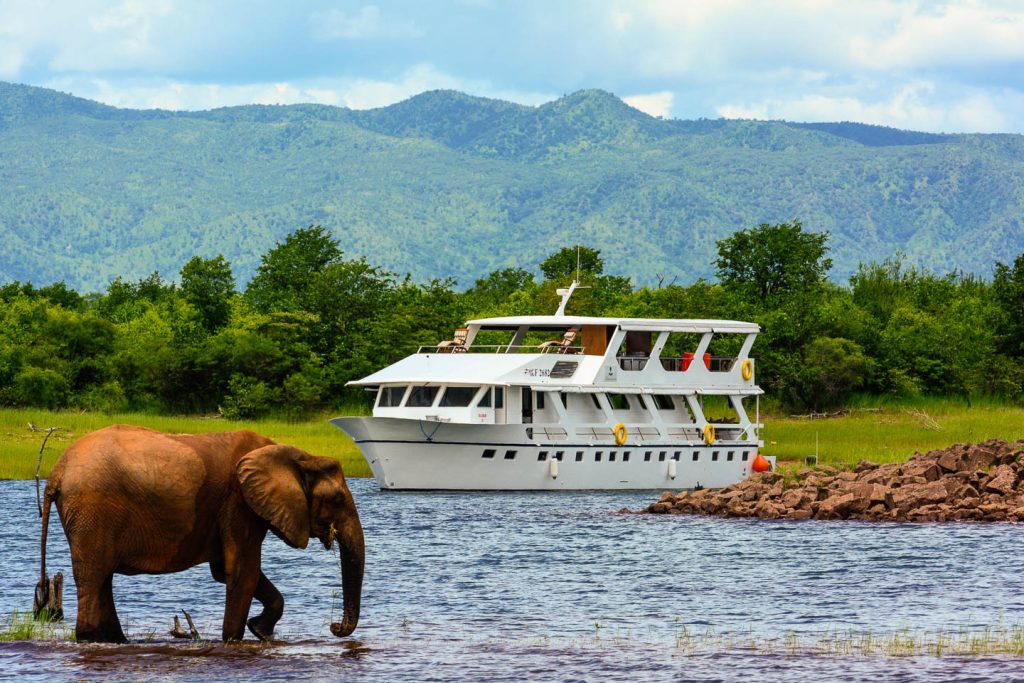
The sheer scale and beauty of the reservoir have made it a premier destination for international and domestic tourism. Lake Kariba is famous for its unique landscape, characterized by the eerie sight of leadwood trees rising from the water, which were submerged when the valley was flooded. These trees now provide a habitat for diverse birdlife and fish. National parks like Matusadona on the Zimbabwean shore allow visitors to view the Big Five from the water. The tourism sector on Lake Kariba is diverse, ranging from luxury houseboats and tiger-fishing tournaments to eco-tourism lodges that emphasize conservation. This industry brings in vital foreign currency and supports local wildlife protection efforts through high-value travel experiences.
Conservation and Cultural Heritage
The history of Lake Kariba is also deeply tied to the Operation Noah mission, which remains one of the most significant wildlife rescue operations in history. As the waters rose, conservationists worked tirelessly to rescue over 6,000 animals stranded on disappearing islands. Culturally, the lake holds deep spiritual significance for the Tonga people. They believe the Zambezi River God, Nyami Nyami, was separated from his wife by the dam wall and resides in the depths of Lake Kariba, occasionally causing tremors when he expresses his anger. This mythology is an integral part of the local identity and continues to influence the art and crafts of the region, specifically in wood carving and basketry.
ALSO READ: Top 500 African Companies: The 2026 Ranking Reveals Record-Breaking Revenue
Conclusion: A Shared Responsibility
Today, Lake Kariba exemplifies the benefits of regional cooperation. Managing such a massive body of water requires constant collaboration between the Zambezi River Authority and the governments of both countries. As climate change impacts water levels, the strategic management of Lake Kariba becomes even more critical for the survival of the regional economy. Whether it is through clean energy, industrial fishing, or vibrant tourism, the impact of the reservoir is felt every day. Ultimately, Lake Kariba operates as a living, breathing ecosystem that sustains the heart of Southern Africa. As the region looks toward a green energy future, the lessons learned from this project will guide how Africa manages its water resources for generations to come.

Head of Business Development, Alula Animation. With 10 years in advertising and sustained involvement in startups and entrepreneurship since graduating from business school and the School of Diplomacy and International Relations, Beloved researches and writes practical business analysis and verified job-market insights for The Business Pulse Africa.
Leave a Reply