
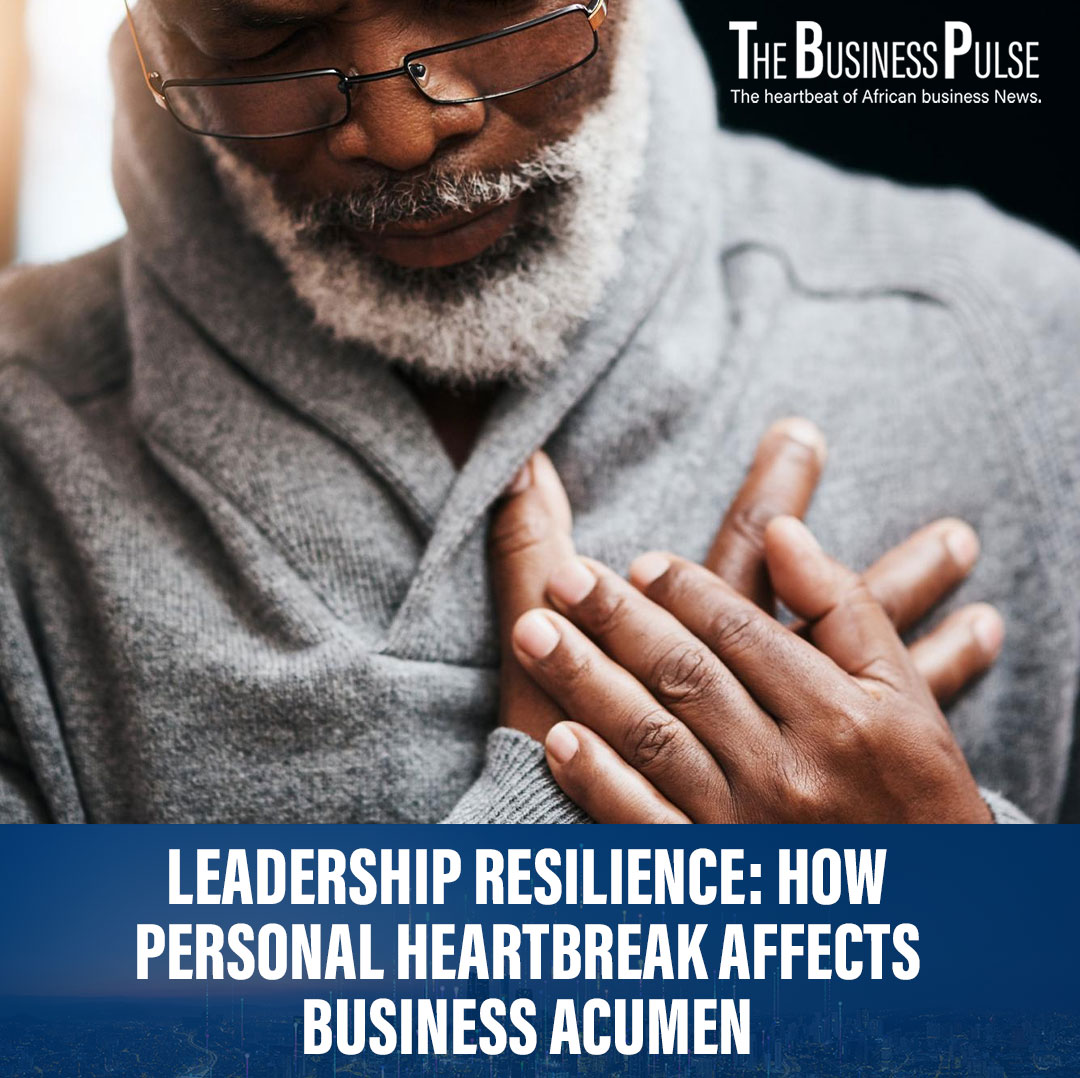
Leadership Resilience
In the high-stakes world of African commerce, leaders are celebrated for their strategic vision, their ability to navigate market volatility, and their unwavering focus on the bottom line. We often speak of business as a game of numbers, logistics, and iron will. Yet, there exists a vulnerability seldom accounted for on balance sheets or in five-year plans: the profound impact of personal emotional turmoil on executive performance.
The collapse of a marriage, the betrayal of a cheating spouse, or the sudden grief of losing a loved one does not remain confined to the home. It seeps into the boardroom, clouds judgment, and can silently erode the foundations of even the most successful enterprises. Leadership Resilience is not just a soft skill; it is the psychological infrastructure that prevents a personal crisis from becoming a corporate catastrophe.
Join our WhatsApp Group
Beyond the headlines of the Ncube-Sibanda case lies a universal psychological pattern that every executive must understand. The recent story from Bulawayo involving Eric Ncube, his wife Latoya, and CEO Thulani “Javas” Sibanda is more than a tabloid scandal. It is a stark, real-time case study in how personal catastrophe becomes a professional liability. When a leader’s world fractures, their ability to lead fractures with it.
The Case Study: When the Personal Becomes Professional
The narrative of Eric Ncube is one of dedication shattered by betrayal. As a Zimbabwean working abroad to build a future for his family, his discovery of graphic evidence of his wife’s affair with a high-profile CEO led to a public and messy controversy. For a business leader like Javas Sibanda, such a scandal is not just a private matter; it is a direct threat to the organization he leads.
In this scenario, we see the first test of Leadership Resilience. When personal lives spill into the public domain, the brand of the organization becomes entangled with salacious gossip. For a CEO, this distraction risks reputational damage, the loss of sponsor confidence, and impaired decision-making. This story encapsulates the immense distraction personal crises pose, illustrating that emotional well-being is the bedrock of sustained professional performance.
Also Read: Why at times Owning the Distribution Channel Matters More Than Owning the Product?
The Anatomy of a Distraction: How Emotional Pain Hijacks the Brain
Emotional distress operates like a malicious software running in the background of a leader’s brain, draining processing power and causing critical systems to falter. To maintain Leadership Resilience, one must understand how this “invisible tax” affects the cognitive functions required to run an SME or a large corporation.
1. Cognitive Overload and Decision Fatigue
The brain grappling with betrayal or grief has limited resources. Constant rumination—replaying conversations or checking phones for messages—leaves little mental capacity for analyzing market data or crafting nuanced strategies. A leader facing a board presentation while simultaneously battling heartbreak is functionally trying to do two full-time jobs at once.
2. Erosion of Focus and Presence
Negotiations demand acute attention to detail. Innovation needs deep focus. Personal anguish shatters the ability to be “in the room.” This lack of presence is noticed by teams and clients, eroding confidence. When a leader is mentally absent, costly oversights occur, and the Leadership Resilience of the entire executive suite begins to fray.
3. Skewed Risk Assessment
A leader’s judgment becomes subjective. They may become overly risk-averse, paralyzed by the fear of another “loss,” or conversely, recklessly aggressive, channeling unresolved anger into impulsive business gambles. The objective calibration of risk and reward is clouded by the fog of emotional pain.
Also Read: ZIMSEC A Level Results Opportunities: What Comes Next for Students and Families
The Ripple Effect: From Personal Crisis to Corporate Downfall
The impact of a leader’s personal trauma is rarely contained. It creates a ripple effect that touches every stakeholder. In the Bulawayo Chiefs Football Club scenario, the CEO’s credibility is now under a microscope.
Strained Team Dynamics
Pain often breeds irritability or withdrawal. A leader undergoing personal trauma may unintentionally create a toxic work environment, leading to a talent exodus. If the leader cannot demonstrate Leadership Resilience, the stability of the entire team is compromised.
The Institutional Cost
Sponsors may reconsider associations if a leader is embroiled in a public scandal. Strategic planning for the next season or fiscal year might lack rigor because the captain of the ship is fighting a storm within. History is littered with examples where the personal scandals of key figures led to plummeting stock prices and leadership coups. True Leadership Resilience involves recognizing that your emotional state is a fiduciary responsibility to your employees and investors.
Navigating the Storm: A Practical Guide for Leaders
If you are a businessperson facing a personal earthquake, your path forward is not about denying the pain. It is about managing it with a deliberate strategy to protect your legacy. Leadership Resilience is built through tactical interventions in your daily routine.
1. The Non-Negotiable Fundamentals
Your body is your primary business asset. In a crisis, maintenance cannot be compromised.
- Impose Rigid Structure: When the world feels chaotic, structure is your anchor. Set fixed times for work, meals, and rest to reduce decision fatigue.
- Physiology Over Psychology: Hydration, nutrient-dense food, and sleep hygiene are essential. Exercise metabolizes stress hormones, providing a much-needed mental reset.
- The Digital Firewall: Compartmentalization is a critical business practice. Designate strict times to address the personal crisis. Outside those windows, use app blockers and put away personal devices. Your work hours must remain a sanctuary.
2. Strategic Delegation
Admitting you need help is not a sign of weakness; it is a sign of high-level Leadership Resilience.
- Audit Your Responsibilities: Identify which decisions absolutely require your input and which can be delegated to a trusted second-in-command. Empower your team explicitly during this period.
- Transparent Communication: You do not need to divulge salacious details. A confidential conversation with a board member or partner to manage expectations builds trust and prevents rumors from filling the silence.
3. Seeking Professional Anchors
Well-meaning friends offer sympathy, but an executive in crisis needs specialized tools.
- Executive Coaches and Therapists: Engaging a professional who understands high-pressure environments provides a confidential space to process emotions without them impacting your professional persona.
- Legal and Financial Counsel: Turning a nebulous fear into a manageable set of facts is a core part of Leadership Resilience. Secure expert advice immediately to understand your standing.
Reframing and Repurposing the Pain
The pain of heartbreak, while destructive, can be used to forge a different kind of strength. Leadership Resilience often grows in the soil of adversity.
The Perspective Shift
Use the experience to deepen your empathy. A leader who has navigated profound personal loss often becomes a more compassionate and aware manager, better at reading people and understanding human motivation a crucial business skill in any market.
Channeling Energy
Redirect the intense energy of anger or grief into a specific, demanding professional project. The key is to make it goal-oriented and finite. By transforming chaotic emotion into focused effort, you protect the business while providing your mind with a constructive outlet.
Building Resilience Before the Storm
The best defense against a personal crisis is a proactive offense. Cultivating Leadership Resilience is a continuous discipline, not a one-time emergency response.
- Develop a Diverse Support Network: Have mentors and peers outside your industry whom you can trust. This prevents your entire social identity from being tied solely to your business role.
- Practice Mindfulness: Regular mental training strengthens your ability to observe emotions without being hijacked by them. This is a critical skill in both crisis management and high-stakes negotiation.
- Separate Identity from Role: Your self-worth must be rooted in more than your title or your net worth. Nurture hobbies and relationships that have nothing to do with your business success. This creates a psychological safety net if one area of your life collapses.
Maintaining Leadership Resilience ensures that when the “Invisible Tax” of personal pain comes due, you have the capital—mentally and emotionally—to pay it without going bankrupt.
The Fiduciary Duty of the Heart
The saga of Eric, Latoya, and Javas is a human drama, but its subtext is a powerful business lesson. Emotional well-being is the operating system for professional success. When the OS crashes, every application—from marketing to finance—fails with it.
Acknowledging that personal heartbreak affects business acumen is not unprofessional; it is the ultimate act of professional honesty. By having a contingency plan for your heart as you do for your finances, you safeguard your legacy and the livelihoods of all who depend on your vision.
The business must go on, but it can only do so if the leader first does the urgent, difficult work of navigating the storm within. Ultimately, Leadership Resilience is what allows a leader to stand at the helm, even when the waters are rough, ensuring the ship reaches its destination regardless of the personal cost.
Investing in your emotional health is the most significant “Business Beneath the Business” move you can make. It is the final and most important pillar of Leadership Resilience.

Head of Business Development, Alula Animation. With 10 years in advertising and sustained involvement in startups and entrepreneurship since graduating from business school and the School of Diplomacy and International Relations, Beloved researches and writes practical business analysis and verified job-market insights for The Business Pulse Africa.
Leave a Reply