
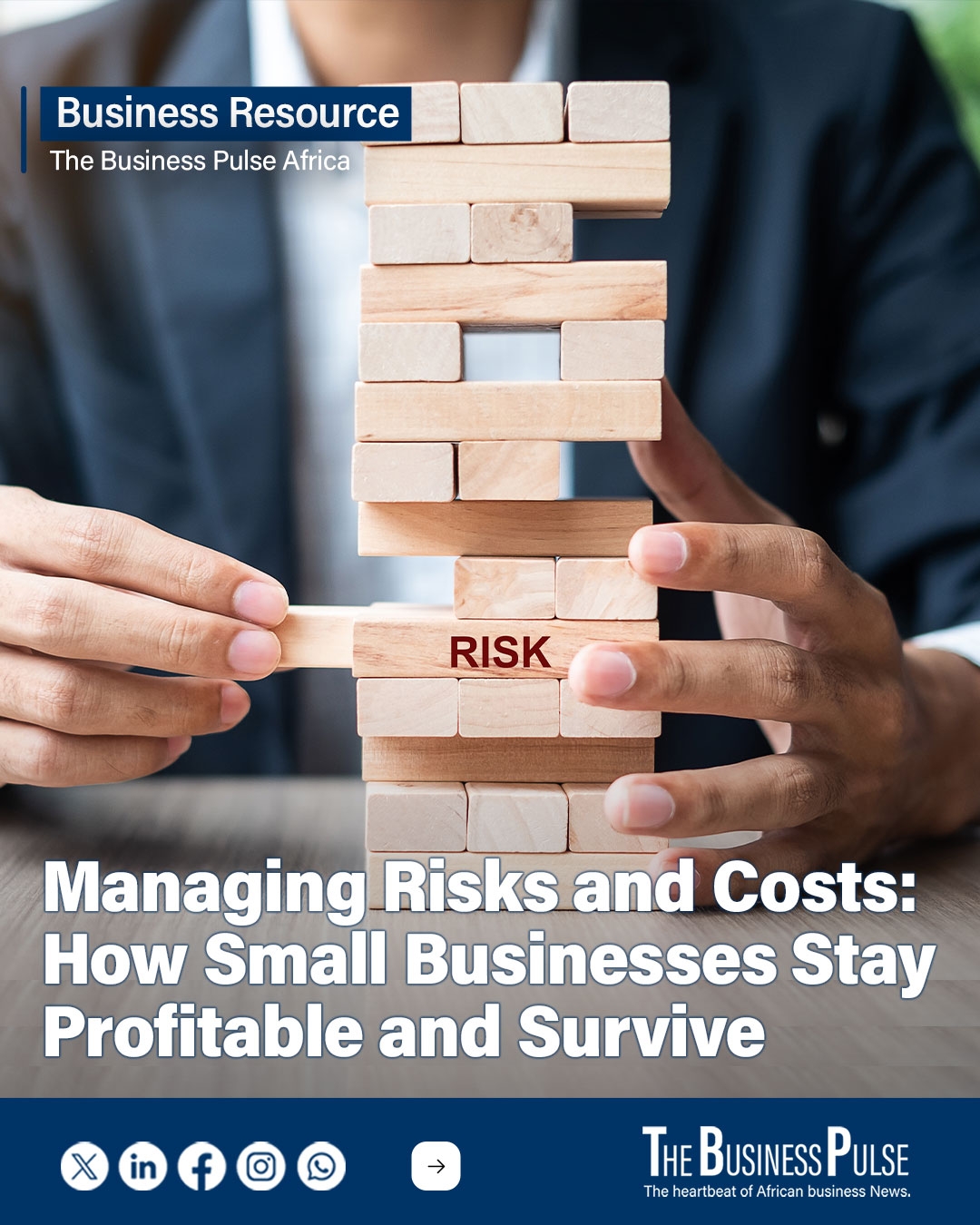
Managing Risks and Costs: Practical Steps for Small Business Survival
Small businesses live or die by how well they control their expense base and manage uncertainty. Efficient cost control is not the same as penny-pinching. Real cost management is strategic. It focuses resources on activities that create value while limiting exposure to disruptions. This article explains practical methods for managing risks and costs, aimed at small business owners who must stay profitable and resilient.
Start with a clear picture of your cash flows
Cash flow is the first line of defence when you are managing risks and costs. You need a reliable short term and medium term cash flow forecast. The forecast should show expected receipts and payments for the coming 90 days and the next 12 months. A simple, disciplined cash flow model makes it obvious where to cut discretionary spending and when to negotiate payment terms.
Forecasts also reveal seasonality. When revenue dips are predictable, expenses must be aligned. Avoid fixed costs that cannot be reduced during slow months. If your cash flow planning shows a recurring shortfall, address it immediately. That is the moment to make tough choices about staffing levels, inventory and capital expenditure.
Join our WhatsApp Group
Reduce avoidable fixed costs without destroying capacity
Fixed costs such as rent, certain salaries or long term contracts can create pressure when revenue falls. When managing risks and costs, review every fixed expense critically. Ask whether each cost is essential for next-quarter survival and next-year growth. Negotiate rent or lease terms when possible. Consider shared space or subletting unused areas. For contracts, seek clauses that allow temporary suspension or reduced service in exchange for extended terms.
Cutting fixed costs is powerful because it reduces break-even points. Lower fixed costs mean you survive lower revenue levels. Do this without harming the core service you offer. Protect customer-facing capacity and direct revenue drivers. Where cuts are unavoidable, focus on temporary measures and build clear triggers to restore capacity once revenue recovers.
Use variable cost structures to add flexibility
Variable costs move with revenue and help preserve cash in slow months. Replace fixed-cost solutions with variable alternatives when feasible. Outsource non-core functions to contractors or freelancers rather than hire full time. Use software-as-a-service rather than on-premise licenses that require large upfront payments. Pay-per-use logistics and cloud hosting allow you to scale costs down quickly when demand falls.
When you shift to variable costs, you accept higher unit expense in exchange for flexibility. That trade-off is useful when your market is volatile. It is also a form of hedging: you avoid paying for idle capacity and you align costs with income, which is central to managing risks and costs over time.
Tighten procurement and supplier management
Procurement is where cost savings often hide. A disciplined procurement process reduces both cost and supply risk. Start by consolidating purchases to gain volume discounts. Evaluate suppliers on total cost, not just unit price. Total cost includes shipping, quality defects, returns and lead time risk. Short lead times reduce inventory holding costs and the risk of stockouts.
Negotiate payment terms that support cash flow. If suppliers require early payment, ask for discounts in return. Alternatively, extend payment terms by offering structured commitments that benefit both parties. When you lock in longer term relationships with reliable suppliers, you trade some price flexibility for lower supply risk. That choice can be smart when you are focused on managing risks and costs in a predictable way.
Inventory control: avoid overstocking and stockouts
Inventory ties up cash. Excess inventory increases storage costs and the risk of obsolescence. Insufficient inventory leads to lost sales and unhappy customers. Use basic inventory management techniques to reduce both risks. Classify stock by value and velocity, and prioritise management actions accordingly. Implement reorder points based on lead time and demand patterns.
For many small businesses, a simple reorder rule and a safety stock buffer reduce both carrying costs and service failures. If your inventory is seasonal, shift procurement earlier or later to balance working capital needs. Inventory financing can help, but treat it as a bridge, not a long term solution.
Price for margin, not only for volume
When markets tighten, the reflex is to cut prices. That erodes margins and makes it harder to cover fixed costs. Instead, price deliberately to protect margin while offering clear value to customers. Use tiered offerings that create options for cost sensitive buyers without driving all customers to the cheapest product.
Consider packaging services or bundling products where a premium package includes faster delivery or better terms. That raises average revenue per sale without significantly increasing cost. Pricing discipline is a major part of managing risks and costs because it preserves the margin buffer that helps you survive shocks.
Control labor costs while protecting morale
Labor costs are often the largest single expense for small businesses. Managing them requires care. Cross-train employees so the business can adjust staffing without layoffs. Use temporary staff to handle peak periods. Tie part of compensation to performance where possible, aligning pay with revenue generation.
When reductions are necessary, consider temporary hours reductions, unpaid leave options, or voluntary separation with fair packages. Transparent communication matters. Employees who understand the rationale for measures and see a clear plan for recovery are likely to remain loyal. Managing risks and costs should avoid destroying the human capital that makes the business valuable.
Protect against operational risks through process discipline
Operational failures can be costly. Simple process discipline reduces error rates and rework. Standardise key workflows, document critical steps, and implement basic checks to prevent avoidable losses. For example, a consistent order fulfilment checklist reduces returns and customer complaints.
Quality control saves money over time. Invest in training and simple measurements so you catch defects before they escalate. Operational discipline is a quiet but powerful way to lower the cost of doing business and to reduce reputational risk.
Use insurance and contracts to transfer risk
Not all risk should be absorbed. Insurance transfers certain risks to third parties and turns uncertain large losses into known periodic costs. Assess which risks would be catastrophic on your balance sheet and insure them. Common small business coverage includes property, liability, business interruption and certain professional indemnity policies.
Contracts also transfer risk. Clear terms with customers and suppliers reduce dispute exposure. Include clauses for force majeure, late payment penalties, and defined acceptance procedures for goods and services. Well drafted contracts are a low-cost way to reduce the risk of unexpected losses.
ALSO READ: How African SMEs Can Build Sales and Distribution Systems That Actually Work
Monitor credit risk and payment schedules
Payment default is a frequent source of cash stress. Tighten credit checks and limit exposure to customers with weak payment history. Use staged invoicing and milestone payments for large projects. Offer small early payment discounts to encourage quicker settlement where it helps cash flow.
Act early when payments are late. A structured reminder process and escalation path often recover receivables that would otherwise become bad debt. Managing accounts receivable aggressively is a central tactic for managing risks and costs because it protects working capital without large structural changes.
Invest in technology that saves cost or risk
The right technology reduces manual error, removes delays, and shrinks the cost base. Start with low-cost tools that automate invoicing, track inventory, or manage scheduling. Cloud-based accounting and project management reduce admin overhead and improve visibility.
Technology investments must be evaluated for clear return on investment. If a software system reduces invoice processing time by three days and prevents stockouts, calculate the cash and margin improvement. That discipline ensures new tools contribute to managing risks and costs rather than adding hidden overhead.
Scenario planning and contingency reserves
Good managers plan for bad outcomes. Scenario planning identifies key vulnerabilities and shows which actions will matter if revenue falls or supply chains break. Use simple scenarios: minor shock, moderate shock, and severe shock. For each scenario, define which costs you cut and which you protect.
Maintain a contingency reserve proportional to your business volatility. A cash buffer covering several weeks of fixed costs can make the difference between survival and insolvency. That reserve is an insurance mechanism that supports the other measures for managing risks and costs.
Measure continuously and adjust
What gets measured improves. Track key metrics such as gross margin, operating cash flow, days sales outstanding, inventory turnover and fixed cost ratio. Monitor these weekly or monthly. When a metric moves in the wrong direction, diagnose the cause and take corrective action.
Continuous measurement supports smarter decisions about investment, hiring and pricing. It also helps you show lenders and investors that the business is well managed, which can lower financing costs and expand options when capital is needed.
Culture and leadership in cost risk management
Finally, leading a business through uncertainty requires the right culture. Encourage prudent spending, respect for margins and collective ownership of cost outcomes. Reward teams for suggestions that reduce cost without harming sales. Make managing risks and costs a regular agenda item for leadership meetings.
Strong leaders balance caution with opportunity. They do not cut investment that creates future growth. Instead, they reallocate spend from low impact activities to those that protect or grow the core business.
Conclusion
Managing the twin challenges of risk and cost is not a one-off project. It is an ongoing discipline that combines cash flow clarity, flexible cost structures, disciplined procurement, and active risk transfer. When a small business embeds these practices it gains resilience. That resilience allows owners to survive shocks, invest when opportunities appear, and deliver consistent profit. If you focus on managing risks and costs with pragmatism and measurement, you increase the odds of long term survival and profitable growth.

Head of Business Development, Alula Animation. With 10 years in advertising and sustained involvement in startups and entrepreneurship since graduating from business school and the School of Diplomacy and International Relations, Beloved researches and writes practical business analysis and verified job-market insights for The Business Pulse Africa.
Leave a Reply