
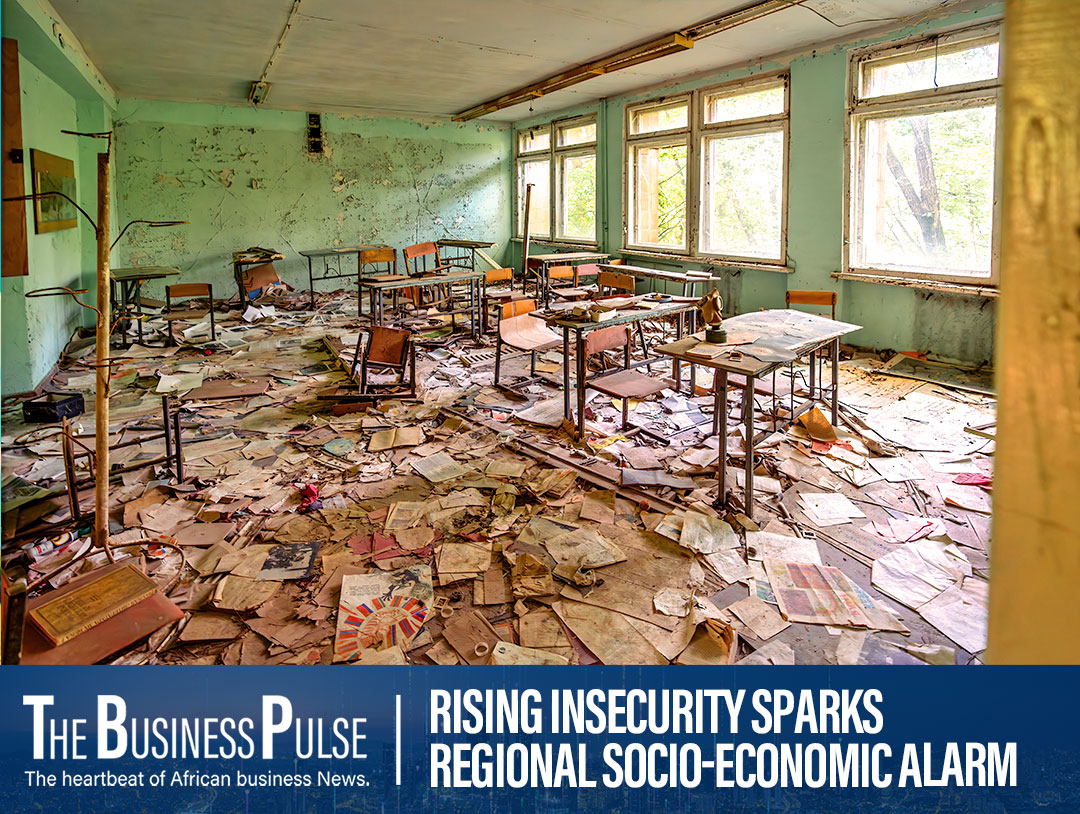
Niger State student abduction
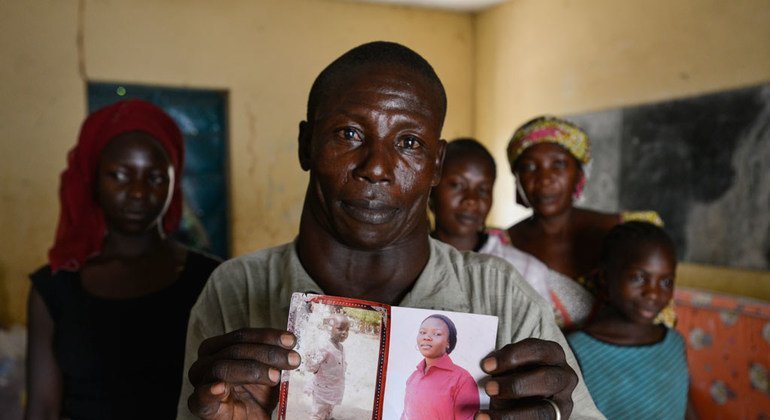
A widely circulated video shows distraught parents seeking news after a mass disappearance of pupils in Niger State. The footage and accompanying reports say more than 300 students were unaccounted for after an incident at a school site. The Niger State student abduction described in the video has sparked alarm across communities and raised immediate demands for official information.
The narrative in the video is direct. Parents are shown outside a school compound. They call for authorities to act. They describe frantic searches and long waits with little clear response. Local organisers and community leaders are appealing for any leads. The account in the video portrays a chaotic and painful scene for families awaiting word.
Join our WhatsApp Group
Commentary: If the Niger State student abduction is confirmed at scale, the immediate social cost is high. Families face trauma, lost income from parents who stop work to search, and urgent household expenses. Local markets and small businesses may suffer as movement and trade slow in affected areas. The social fabric is under stress when entire communities are consumed by a security crisis.
Authorities have reportedly mobilised security agencies and begun investigations. Official statements are still forthcoming in some channels. The limited, early information increases public anxiety. In the absence of clear government communication, rumours fill the gap and heighten fear.
The reported Niger State student abduction also has near-term effects on education. Schools may close temporarily. Attendance will fall as parents keep children at home. Teachers and school administrators must manage crisis communications and student welfare. Repeated incidents of this kind lead to lower enrollment rates over time. That outcome harms human capital development and raises long-run economic costs.
Also Read: Rising Insecurity Prompts Urgent US-Nigeria Response
Commentary: Education disruption has a measurable economic impact. Lost school days reduce future labour productivity. For a state that needs skilled workers to attract investment, repeated interruptions in schooling hinder long-term growth. Businesses that rely on a predictable labour pipeline will find the environment less attractive.
Humanitarian response has begun in some communities. Civil society groups and local NGOs are organising counselling, coordinating search teams and providing basic relief to affected families. Coordination between these groups and official agencies will be vital to avoid service gaps and duplication.
The security and economic implications extend beyond immediate distress. A major Niger State student abduction event could prompt higher public spending on security. That reallocation reduces funds available for development projects, health, and education. Local governments may face pressure to increase police presence, buy equipment and improve rapid response systems.
Commentary: Increased security spending has trade-offs. While necessary for safety, it also diverts public resources from infrastructure and social programs. Longer term, this can slow improvements in roads, power, and business services that firms depend on. Investors monitor these shifts because they affect project viability and operating costs.
Business operations feel the effect quickly. Transport firms face route restrictions or curfews. Retail and hospitality revenues can decline if consumers avoid public spaces. Insurance premiums may rise for assets in high-risk zones. Micro and small enterprises that operate daily in local markets are particularly vulnerable to sudden declines in customer traffic.
The emotional and psychological toll on children and families warrants attention. Trauma reduces school performance and increases health care needs. Mental health services and school-based support must be scaled to address the consequences. Without such services, long-term recovery is harder and social costs grow.
Commentary: A sustained pattern of insecurity weakens community resilience. Households that lose confidence in safety may relocate, reducing local labour supply and consumer demand. This migration undermines local economies and shrinks tax bases that fund services.
Also Read: IMF Warns Zambia’s Economy to Slow Down Amid Power Shortages
To reduce the chance of repeat incidents, several practical steps are needed. First, rapid, transparent communication from authorities reassures the public and reduces misinformation. Second, immediate search and rescue must be coordinated and resourced. Third, investment in school safety measures is necessary. This includes perimeter security, vetted transport arrangements and emergency response training for staff.
Community engagement is also central. Local leaders and parents must be included in safety planning. Public private partnerships can fund security upgrades and youth programs that provide alternatives to risky behavior. Strengthening local policing with community oversight can improve trust and response times.
Commentary: Long-term economic resilience depends on restoring confidence. Clear action and visible progress will be essential to stabilize markets, protect livelihoods and preserve investment prospects. Businesses need to see a credible plan for safety. Without it, capital will flow to safer jurisdictions.
Finally, international partners and regional bodies can support Niger State with technical assistance, funding for recovery programs and intelligence cooperation. If the Niger State student abduction proves to be a large-scale, coordinated attack, regional cooperation will be necessary to counter cross-border threats and to support victim recovery.
The story in the video is a human tragedy in the making. For those who did not know, the footage shows a community in acute distress and calls for action. Beyond the immediate search, the wider implications for Niger State’s social stability and economic prospects are clear. Authorities, civil society and business all have roles to play in response and recovery. Rapid, transparent action will limit long-term damage and help restore public confidence.
Article by Billy Makore

Head of Business Development, Alula Animation. With 10 years in advertising and sustained involvement in startups and entrepreneurship since graduating from business school and the School of Diplomacy and International Relations, Beloved researches and writes practical business analysis and verified job-market insights for The Business Pulse Africa.
Leave a Reply