
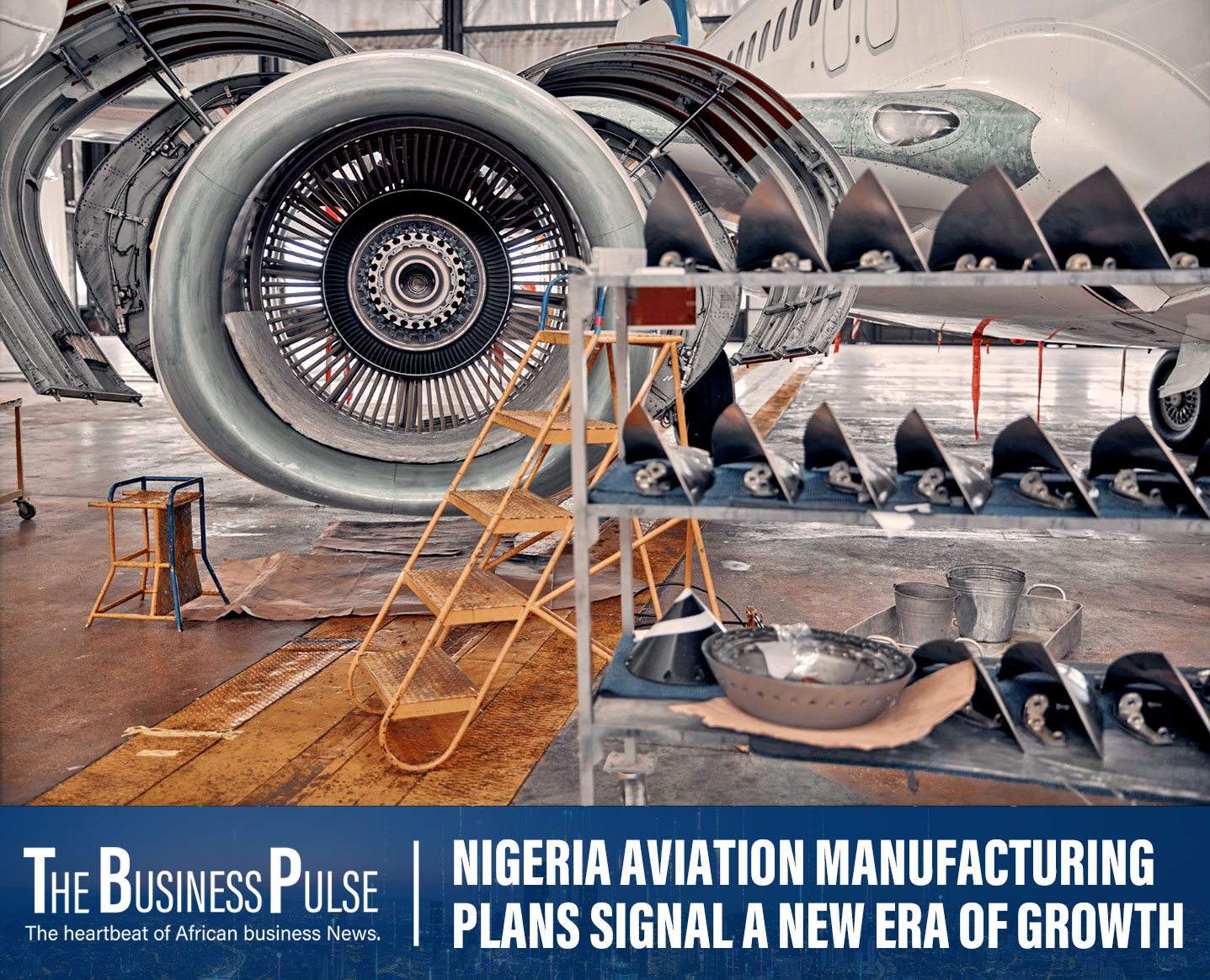
Nigeria aircraft components
Nigeria is making a strategic push into Nigeria aviation manufacturing, marking what could become a major shift in the country’s industrial and economic direction. The government has set out an ambitious plan to begin local production of aircraft components as part of a broader move to modernise the aviation sector and reduce dependence on foreign suppliers. This development comes at a time when Nigeria aims to expand its technical capabilities, strengthen its maintenance infrastructure, and position itself as a key aviation hub in Africa.
The idea behind Nigeria aviation manufacturing is driven by a few clear business goals. First, Nigeria spends significant amounts of foreign currency each year importing aircraft parts for local airlines. Second, maintenance, repair, and overhaul activities, often known as MRO, rely heavily on foreign services because Nigeria lacks certified domestic production lines for aviation components. This leads to high operating costs for airlines and long turnaround times for aircraft maintenance. By building local capacity, the government wants to retain value within the economy and create a stronger supply ecosystem for aviation businesses.
Join our WhatsApp Group
A major part of this strategy involves increasing Nigeria’s ability to produce components that meet global aviation standards. Manufacturing even basic aircraft parts requires strict compliance with safety regulations issued by bodies such as the International Civil Aviation Organization and other global regulators. For Nigeria to succeed in Nigeria aviation manufacturing, it must establish advanced facilities, certify local engineers, and put in place transparent quality assurance systems. The government believes that this is possible through targeted investment, technical partnerships, and support from global aviation firms.
Leadership has stated that the initiative is not just about assembling parts but about building a long-term industrial base. The government wants to move Nigeria from being a consumer of imported aviation technology to becoming a producer in specific component categories. This aligns with the administration’s broader economic policies that promote industrialisation, export growth, and value creation in high-technology sectors. If fully implemented, Nigeria aviation manufacturing could support other national goals such as job creation, skills development, and technology transfer.
Also Read: Rising Insecurity Prompts Urgent US-Nigeria Response
Industry analysts note that the plan has the potential to reduce operational disruptions for airlines. Today, many Nigerian carriers face delays when sourcing parts from overseas suppliers. Even simple components may take weeks to arrive. Local production would cut delivery times and support faster maintenance cycles. Cheaper access to parts may also help airlines reduce ticket prices, improve service frequency, and restore consumer confidence in the reliability of domestic air travel. For airlines operating older fleets, reliable access to components is essential for maintaining safety compliance and operational continuity.
Stakeholders in the aviation sector believe that the success of Nigeria aviation manufacturing will depend on strong partnerships with global OEMs, or original equipment manufacturers. These companies have the certification power and technical expertise needed to approve parts that will be used in commercial aircraft. Nigeria is expected to engage established manufacturers to co-develop production lines or offer licensing arrangements that allow local firms to produce specific categories of components. The government also plans to work with training institutions to prepare engineers, technicians, and quality inspectors to operate within international standards.
The planned expansion of MRO capacity is closely linked to the manufacturing agenda. Nigeria already hosts several aviation maintenance operations, but most rely on imported parts. By integrating Nigeria aviation manufacturing into MRO development, the country can lower costs and increase the competitiveness of local facilities. This could position Nigeria as a preferred MRO hub for West and Central Africa. Currently, many airlines in the region send their aircraft to Ethiopia, South Africa, or Europe for heavy maintenance. If Nigeria builds reliable facilities with access to certified components, it may capture some of that regional market.
The government has also highlighted the export potential of the initiative. If local factories meet global certification standards, Nigeria could produce aviation parts for international markets. Several emerging economies have followed similar paths by starting with small component production before expanding into more complex parts. By learning from these models, Nigeria could enter global supply chains and generate foreign exchange earnings from aviation exports.
Also Read: Zimbabwe New ZiG Notes 2026
While the opportunities are clear, there are also challenges to address. Building a competitive aviation manufacturing sector requires sustained investment, stable regulatory oversight, and a consistent policy environment. Energy supply remains a concern for manufacturers across Nigeria. Without reliable power, production costs rise and quality control becomes difficult. Additionally, aviation manufacturing demands extremely high levels of precision, which means the industry must be supported by strong technical institutions and strict compliance structures.
Stakeholders also point out that financing will play a significant role. The cost of setting up certified aviation manufacturing facilities is high, and investors need policy assurance to commit long-term capital. Government support through incentives, public-private partnerships, and infrastructure development will be essential. The private sector will also need confidence that the initiative will create real demand and that airlines will prefer locally sourced components when they become available.
Despite the challenges, the plan for Nigeria aviation manufacturing signals that the country is ready to pursue major structural transformation within the aviation sector. If executed well, it could reduce import dependence, strengthen aviation reliability, and open a new chapter for industrial growth. The coming years will show whether Nigeria can turn this vision into actionable progress that supports airlines, boosts investment, and enhances the country’s position in the African aviation ecosystem.

Head of Business Development, Alula Animation. With 10 years in advertising and sustained involvement in startups and entrepreneurship since graduating from business school and the School of Diplomacy and International Relations, Beloved researches and writes practical business analysis and verified job-market insights for The Business Pulse Africa.
Leave a Reply