
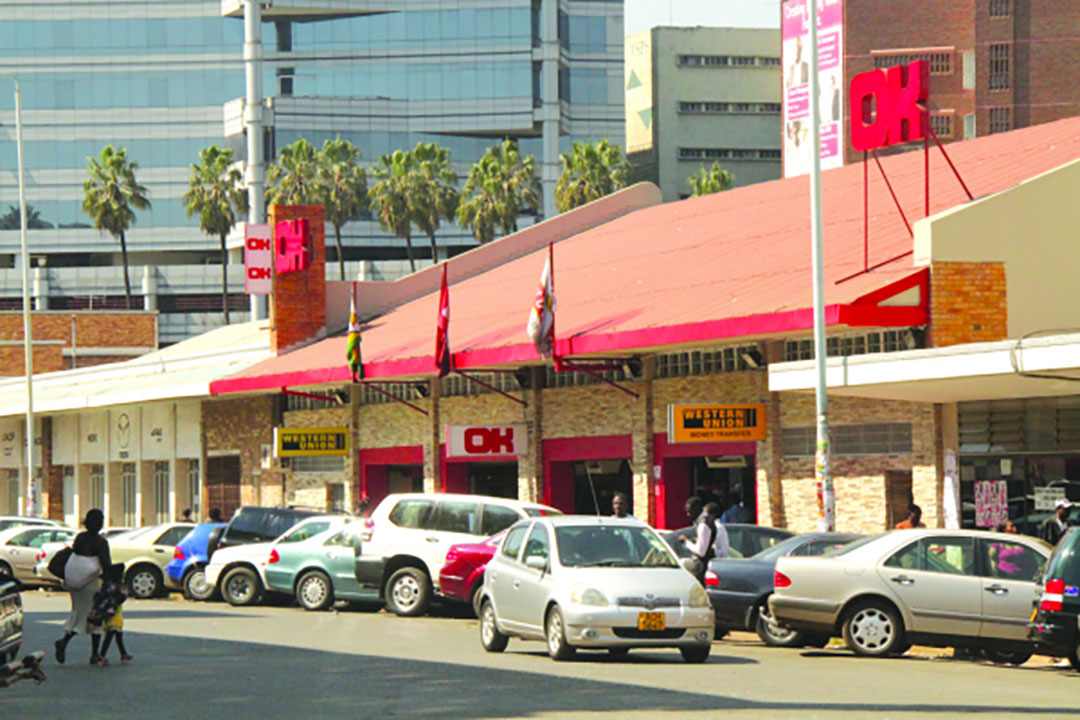
Ok Zimbabwe has closed 11 stores as part of a rapid consolidation effort. The move follows months of mounting financial pressure. Management says the closures aim to reduce losses and stabilise the business. The company now operates a smaller national footprint while it pursues a wider turnaround plan.
Several root causes explain why Ok Zimbabwe reached this point. First, the company has faced deep revenue declines. Consumer spending fell sharply amid a weak economy. Shoppers shifted to informal vendors and lower cost options. This reduced sales volumes in formal supermarkets and hurt Ok Zimbabwe’s top line.
Join our WhatsApp Group
Second, liquidity constraints have become acute. Ok Zimbabwe reported large supplier arrears. Suppliers began withholding deliveries or demanded upfront payment. That disrupted stock availability and led to empty shelves in some stores. The lack of stock further reduced footfall and sales, creating a vicious cycle.
Third, the firm recorded substantial losses in its latest financial year. Rising operating costs, lower margins and stock shortages all squeezed profitability. The company moved to cut costs by trimming head office staff and reducing operating expenses. Store closures are a more visible step in that cost reduction programme.
Fourth, competitive pressures intensified. Smaller informal retailers and new entrants expanded rapidly. These rivals operate with low overheads and flexible pricing. They capture price-sensitive customers who would previously shop at Ok Zimbabwe. The competitive shift forced the chain to rethink its store network.
Also Read ~ Mutapa Fund Seeks $250 Million to Boost Gold Output as It Pushes for National Growth
Fifth, property sales and asset disposals planned to shore up cash have lagged. Ok Zimbabwe has sought to sell non-core properties to meet loan obligations. Slow property markets and weak buyer interest limited those options. This left the company with fewer immediate means to raise cash.
Sixth, broader macro factors contributed. Exchange rate volatility and imported input costs pushed up prices. Fuel and logistics costs rose. Consumers lost purchasing power and cut discretionary spending. These trends amplified the strain on large retailers with fixed costs.
The store closures carry immediate effects for the company. They reduce operating expenses. Fewer stores mean lower rent, utilities and staffing costs. The firm expects a leaner cost base and improved short term liquidity. Management also hopes that concentrating operations will improve inventory control and margins at remaining stores.
However, closures also bring negative consequences. Job losses are among the most immediate. Hundreds of workers face retrenchment or relocation. That has social costs and can damage community relations. The company will need to manage severance, redeployment and reputational risk carefully.
Operationally, fewer stores may lower national coverage. Customers who relied on local outlets must travel farther or switch stores. This may permanently shift market share to competitors who remain more accessible. Long standing customers may not return even if Ok Zimbabwe later reopens outlets.
Supplier relations could be strained further. Some suppliers may push for stricter payment terms or stop supplying altogether. That would hamper the company’s ability to restock quickly and rebuild sales momentum. Rebuilding supplier trust will require clear repayment plans and consistent settlement.
For investors, the closures send a mixed signal. On one hand, decisive action to cut costs can be positive. It shows management is responding to the crisis. On the other hand, closures reveal how severe the challenges are. Shareholders will watch cash flow metrics, asset sales, and progress on any rights issue or capital raising.
The wider retail sector will also feel the impact. Ok Zimbabwe’s retrenchment highlights the tough environment for formal retailers. It may encourage other chains to accelerate their own efficiency drives. The shift could expand the informal sector’s market share even further.
Policy makers should note the social implications. Job losses increase pressure on social services and household incomes. Authorities may face calls to support workers or to stabilise the business environment. Measures that improve liquidity in the wider economy will help formal retailers and protect tax revenues tied to corporate activity.
Looking ahead, Ok Zimbabwe’s recovery depends on several priorities. First, the company must secure fresh capital and improve liquidity. A rights issue and asset sales are part of this plan. Second, it must rebuild supplier confidence through clear repayment schedules and improved procurement practices. Third, a sharper focus on inventory, pricing and customer value will be needed to win back shoppers. Fourth, the company should streamline its store network to focus on profitable locations.
If Ok Zimbabwe executes these steps effectively, it can stabilise and then rebuild. A smaller, more efficient chain can survive harsh conditions and later expand. If the company fails to restore finance and supply, further closures or deeper restructuring may follow.
Ok Zimbabwe’s recent store closures are a clear sign of stress in formal retail. They reflect weak consumer demand, liquidity shortages and fierce competition. The effects are both operational and social. The company and regulators now face a critical period that will determine whether Ok Zimbabwe can return to growth or continues to shrink.

Head of Business Development, Alula Animation. With 10 years in advertising and sustained involvement in startups and entrepreneurship since graduating from business school and the School of Diplomacy and International Relations, Beloved researches and writes practical business analysis and verified job-market insights for The Business Pulse Africa.
Leave a Reply