
Harare, Nov 2025 – Zimbabwean car market, car dealers, and investors are being encouraged to take advantage of South Africa’s ongoing shift in the automotive market, where several popular car models are being discontinued. The move, driven by automakers transitioning toward electric vehicles and new market dynamics, is expected to create both opportunities and challenges for Zimbabwe.
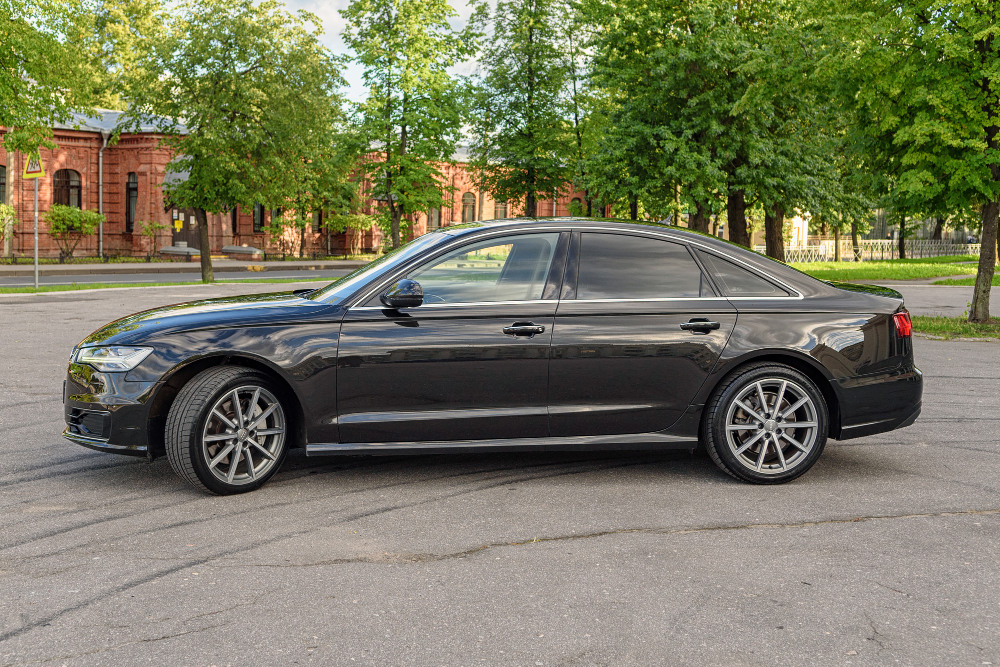
South Africa recently announced that models such as the Audi A4, Jeep Renegade, Fiat Tipo, Maserati Levante, Ghibli, Quattroporte, Jaguar F-Pace, and Lexus RC will be phased out by 2025. While this marks the end of several long-standing nameplates, it opens the door for Zimbabwean importers and second-hand car dealers to source high-quality, near-new vehicles at discounted prices.
Industry analysts say Zimbabwe, which relies heavily on second-hand imports for its car market, stands to benefit as South African dealerships clear their inventory of discontinued models. This could result in an influx of luxury and mid-range vehicles at lower prices, providing consumers with more choice and competitive deals. “When manufacturers withdraw models, dealerships often discount stock heavily, and that creates a window for smart importers,” said a Harare-based auto trader.
The advantages
For dealers, the immediate advantage lies in stock availability and resale potential. Discontinued models will likely remain serviceable for years, and spare parts can still be sourced from South Africa’s vast aftermarket network. For consumers, these models often feature premium specifications at reduced costs compared to newer replacements. In addition, the strengthening of the Zimbabwean dollar against the rand in recent months could further lower import costs in the short term.
The development also creates business opportunities in vehicle refurbishment, spare parts trading, and servicing of older models. Small entrepreneurs could tap into growing demand for affordable luxury cars or dependable utility vehicles as South African owners trade up to electric alternatives.
Also Read ~ Runaway Diesel Train Crashes in Bulawayo
The drawbacks
However, there are key risks that Zimbabweans should consider. Over time, spare parts for low-volume or luxury models such as Maserati and Jaguar may become harder to find and more expensive. Repair expertise for these vehicles is also limited locally, which could raise maintenance costs. Moreover, the lack of electric vehicle infrastructure means that future imports of electric replacements for these models will face logistical and technical barriers.
Analysts advise dealers to focus on models with widely available parts and established servicing support, while policymakers should prepare for gradual electrification in the regional automotive industry.
For now, the message is clear: the current shift in South Africa’s vehicle market presents Zimbabweans with a unique short-term opportunity, but success will depend on strategic choices and preparation for the inevitable changes ahead.
Source Business Tech

Head of Business Development, Alula Animation. With 10 years in advertising and sustained involvement in startups and entrepreneurship since graduating from business school and the School of Diplomacy and International Relations, Beloved researches and writes practical business analysis and verified job-market insights for The Business Pulse Africa.
Leave a Reply