
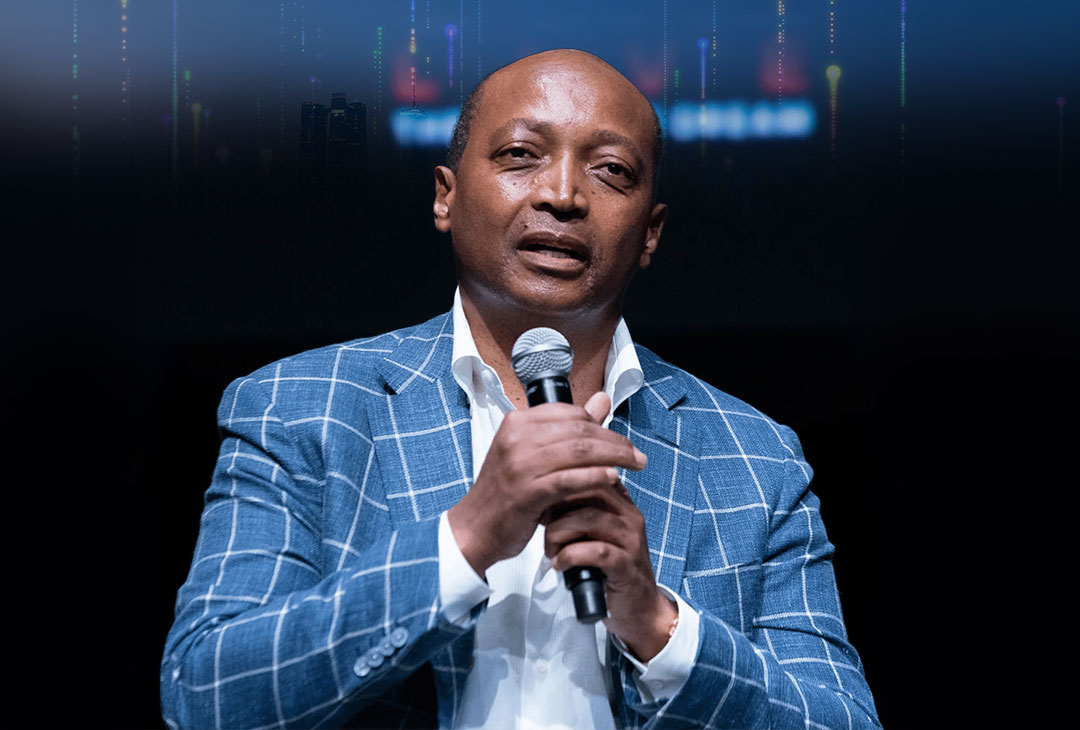
Patrice Motsepe Retires as ARM Founder
In a major leadership transition, Patrice Motsepe retires from his long-held executive role at African Rainbow Minerals (ARM), the mining company he founded more than two decades ago. The decision follows updated governance requirements by the Johannesburg Stock Exchange, which now require a clear separation between executive management and board leadership. While Motsepe steps away from day-to-day control, he remains closely involved in the company as non-executive chairman, guiding strategy and long-term vision.
The move comes at a time when ARM and the wider mining industry face changing market conditions, rising environmental standards, and shifting investor expectations. For many observers, Patrice Motsepe retires from his executive position not as a withdrawal from business, but as part of a broader transition that strengthens corporate governance and prepares the company for the next phase of growth.
Join our WhatsApp Group
From Founder to Board Leader
Patrice Motsepe retires from his executive role mainly to comply with new stock exchange rules that prevent board chairs from also holding executive authority. These rules are designed to improve transparency and accountability by separating operational management from oversight.
In practical terms, Motsepe no longer runs daily operations. Instead, he focuses on guiding the company at board level, shaping its long-term direction and supporting leadership from a strategic standpoint. This change marks a shift from founder-driven control to institutional leadership.
Motsepe has stated that he remains committed to strengthening ARM and ensuring it continues to compete successfully in global mining markets. His new position allows him to contribute experience without being involved in daily decision-making.
Building a Mining Giant
The moment when Patrice Motsepe retires as executive chairman also draws attention to the scale of what he built. ARM grew from a small mining venture into one of South Africa’s largest diversified mining companies. Its operations include iron ore, manganese, platinum group metals, coal, and base metals.
Motsepe’s rise is often linked to South Africa’s post-apartheid transformation policies, which opened opportunities for Black-owned companies in heavy industry. ARM became a symbol of Black economic participation in mining and capital markets.
Beyond mining, Motsepe expanded into finance and technology through African Rainbow Capital and gained recognition through football ownership and sports leadership roles. His business career placed him among Africa’s wealthiest individuals while also giving him influence in public life.
The leadership shift now underway reflects a broader trend in African business where founder-led companies move toward professional management structures.
New Leadership Structure
With Patrice Motsepe retires from executive duties, ARM has reorganised parts of its leadership. A new Chief Operating Officer has been appointed to oversee mining operations, while senior executives continue managing production and finance.
The board remains responsible for governance and strategy, with Motsepe serving as non-executive chairman. Independent directors play a stronger role in oversight, reflecting modern corporate standards.
These changes aim to preserve stability while allowing the company to operate without relying on its founder’s daily involvement. It also reassures investors that ARM has systems and leadership depth beyond one individual.
Market and Investor Confidence
Market reaction to the announcement that Patrice Motsepe retires from executive leadership has been steady, suggesting confidence in ARM’s continuity. Investors generally view governance improvements positively, especially when leadership transitions are planned rather than forced.
Global investors increasingly expect companies to separate management from board leadership. By aligning with this approach, ARM strengthens its appeal to international capital and long-term shareholders.
The change also sends a message that African corporations can follow global governance standards while maintaining local identity and leadership heritage.
A Broader African Business Signal
When Patrice Motsepe retires from his executive post, it carries symbolic weight beyond one company. It signals that African firms are maturing into institutions that can survive leadership change.
Many African businesses struggle with succession planning, where founders remain in control until crisis or decline. ARM’s transition shows an alternative path where founders step back while the business continues operating at scale.
This model helps protect jobs, shareholder value, and public confidence. It also encourages younger executives to rise within structured systems rather than relying on personal authority.
The Road Ahead for ARM
As ARM enters this new chapter, its focus remains on operational performance, responsible mining, and long-term profitability. The company must balance production efficiency with environmental responsibility and community expectations.
Although Patrice Motsepe retires from direct management, his influence remains visible in ARM’s culture and strategy. His leadership shaped the company’s approach to partnerships, expansion, and resilience during commodity downturns.
Stakeholders will watch how the company performs under its new structure, particularly as global demand for minerals shifts toward energy transition and infrastructure development.
ALSO READ: Patrice Motsepe: The African Billionaire Who Turned Wealth Into Purpose
Conclusion
The decision that Patrice Motsepe retires from his executive role marks the end of a founder-led era and the beginning of a governance-driven phase for African Rainbow Minerals. It reflects both regulatory change and corporate maturity.
Motsepe’s journey from mining entrepreneur to institutional chairman mirrors the growth of African enterprise itself. ARM now stands as a company designed to outlast its founder’s daily presence.
Rather than a withdrawal, this transition represents continuity through structure, leadership through systems, and legacy through sustainability. As ARM moves forward, its evolution offers a case study in how African companies can modernise while preserving the vision that built them.

Head of Business Development, Alula Animation. With 10 years in advertising and sustained involvement in startups and entrepreneurship since graduating from business school and the School of Diplomacy and International Relations, Beloved researches and writes practical business analysis and verified job-market insights for The Business Pulse Africa.
Leave a Reply