
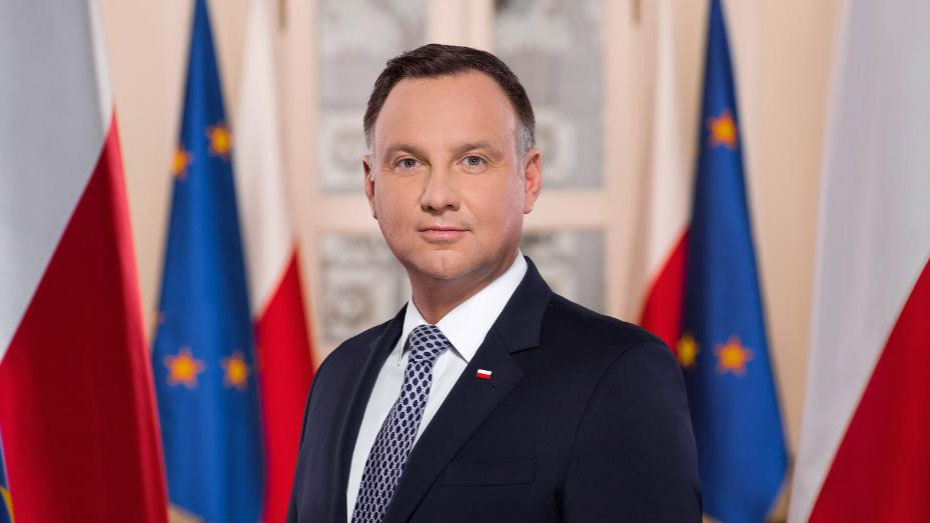
Poland has introduced a landmark tax reform that exempts parents with two or more children from paying personal income tax. The law was officially signed by President Karol Nawrocki on 16 October 2025. This measure is part of a broader pro-family agenda aimed at easing financial pressure on households and encouraging population growth.
Under the new law, parents in Poland, including biological, adoptive, foster parents, and legal guardians, are eligible for a full exemption from personal income tax. The tax break applies to annual earnings of up to 140,000 zloty per parent. In a two-parent household where both parents qualify, that means up to 280,000 zloty combined can be earned tax-free.
Poland’s government has framed this reform as a central element of its “Tax Armour” package. That package also includes other tax relief measures, such as a reduction in value-added tax and the elimination of capital gains tax. President Nawrocki made the zero-PIT policy a cornerstone of his campaign, presenting it as a key way to support working families across Poland.
Qualifying children include minors and students up to age 25, as long as they remain financially dependent. This more generous age threshold reflects Poland’s effort to keep older students within household support systems. Legal guardians and foster parents are explicitly included, broadening the reach of the policy beyond just biological families.
Also Read ~ How Zimbabwe’s Procurement Regulatory Authority Is Modernising Public Procurement Through the eGP System
The policy will take effect in 2026, meaning taxpayers who claim the exemption will first benefit when filing their 2027 tax returns. According to estimates from the presidency, the average eligible family could save around 1,000 zloty per month thanks to this reform. For many households, that amount could significantly improve monthly disposable income and reduce financial stress.
Poland’s leaders have said this measure is needed to address the country’s demographic challenges. Poland faces one of Europe’s lowest fertility rates and a shrinking workforce. The government hopes that making child-rearing more affordable will encourage young couples to have more children. They also argue that the reform will help strengthen Poland’s long-term economic growth by supporting a larger future workforce.
Proponents of the reform highlight multiple economic benefits. First, households will have more income to spend or save, which could boost domestic demand. Second, by reducing taxation for families, the reform may encourage greater labor participation, especially among parents who previously faced disincentives to work. Third, supporting families directly through tax policy reduces the risk of talent drain, as skilled workers may be more likely to stay and raise their families in Poland.
However, critics of the reform have raised serious concerns. Some analysts warn that the biggest gains may go to high-income families. Those who already make more will benefit most from a tax cut, while lower-income households may see only modest relief if they are already taxed lightly or receive other support. There is also concern about the fiscal burden: providing such generous exemptions could strain public finances if the government does not offset the lost tax revenue through other means.
Beyond the question of who benefits, some experts argue that the reform may not be enough to drive a sustained rise in birth rates. They point out that housing, childcare costs and access to education remain major barriers to raising a family. Without additional support for these basic needs, couples may still hesitate to have more children, even with the tax break.
Implementing this reform will not be without challenges. Some smaller businesses and taxpayers may struggle to understand how to claim the exemption properly, especially given the new eligibility criteria. Others note that access to tax relief will depend on solid, reliable tax administration, and potential loopholes could emerge. Ensuring that the system functions correctly may require further training, oversight and investment in tax infrastructure.
Also Read ~ TelOne Strengthens Zimbabwe’s Digital Voice Future With Expanding VoIP Services
Still, Poland’s reform marks a bold shift. By focusing on tax relief for families, the government is taking a long-term approach to economic and social stability. If successful, this policy could reduce pressure on other welfare systems by improving household resilience and lowering living costs for families.
In terms of political confidence, the reform gives the ruling administration a concrete and popular policy win. It addresses a major anxiety for many young Polish couples, how to balance raising children with financial security. By building this policy into their wider tax reform agenda, Polish leaders are hoping to deliver meaningful change and reaffirm their commitment to pro-family policy.
Poland’s zero-PIT policy for parents of two or more children is ambitious, generous and potentially transformative. It offers real financial relief, especially for middle-class families, while sending a strong signal that the government values family formation. But the policy’s long-term success will depend on complementary measures, careful implementation and sustained public support. For Poland, this is not just a tax cut, it is a bet on its demographic and economic future.
Sources ~ Euro News

Head of Business Development, Alula Animation. With 10 years in advertising and sustained involvement in startups and entrepreneurship since graduating from business school and the School of Diplomacy and International Relations, Beloved researches and writes practical business analysis and verified job-market insights for The Business Pulse Africa.
Leave a Reply