
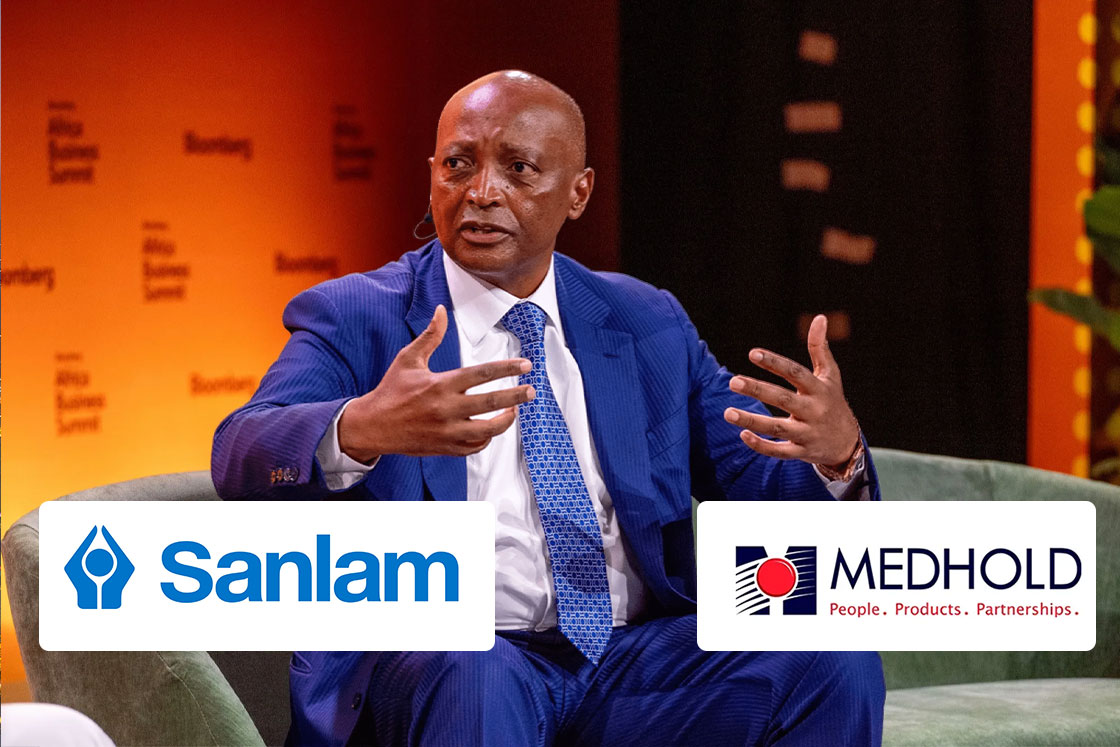
Sanlam Medhold Acquisition
The Sanlam Medhold acquisition marks an important development in Southern Africa’s healthcare and private equity landscape. South African billionaire Patrice Motsepe through Sanlam Private Equity has acquired a majority stake in Medhold, a long established medical devices and services company. The deal places one of the region’s most strategic healthcare suppliers under the control of a major financial group with deep capital reserves and long term expansion goals.
Medhold was founded in 1988 and has built a reputation for supplying advanced medical technology across Southern Africa. Its portfolio includes diagnostic equipment, surgical systems, and hospital solutions that support both public and private healthcare providers. Over more than three decades, Medhold has positioned itself as a bridge between global medical technology manufacturers and African health systems that require reliable, service backed equipment.
Join our WhatsApp Group
The sanlam medhold acquisition follows a period of structured growth under Old Mutual Private Equity, which previously held a 50 percent stake in the company. That investment phase focused on strengthening Medhold’s balance sheet, expanding operational reach, and professionalising internal systems. The exit by Old Mutual Private Equity reflects a common private equity cycle where an asset is prepared for its next stage of ownership and expansion.
Why Sanlam Private Equity Is Interested in Medhold
Sanlam Private Equity’s entry into Medhold reflects a wider investment logic rather than a simple ownership change. Healthcare remains one of the most resilient sectors in Africa. Demand continues to rise due to population growth, urbanisation, and higher awareness of chronic diseases. Medical technology is central to that demand because hospitals and clinics require equipment to diagnose, monitor, and treat patients effectively.
The sanlam medhold acquisition therefore positions Sanlam in a sector that combines social value with commercial sustainability. Medical devices are not consumer luxury goods. They are mission critical tools. That gives suppliers like Medhold predictable long term demand if they maintain quality and service standards.
For Sanlam, the deal also aligns with its private equity strategy of backing businesses that have strong operating history but still room to scale. Medhold already operates across Southern Africa, which reduces early stage risk. At the same time, there is space to expand product lines, improve supply chains, and build deeper relationships with health systems in new markets.
Medhold’s Role in the Healthcare Value Chain
Medhold does not manufacture most of the devices it supplies. Instead, it acts as a technology integrator. It sources equipment from global manufacturers, adapts it to local regulatory environments, and provides installation, training, and maintenance services. This service layer is where much of the company’s value sits.
Hospitals and clinics often struggle to maintain complex medical equipment due to skills shortages and budget constraints. Medhold fills that gap by offering technical support and long term servicing contracts. This converts one off equipment sales into recurring revenue streams based on service agreements and upgrades.
The sanlam medhold acquisition therefore brings Sanlam into a business model that is not limited to selling hardware. It also includes after sales service, training, and lifecycle management of equipment. This mix makes the company more resilient to short term procurement cycles and public sector budget delays.
What the Exit of Old Mutual Private Equity Means
Old Mutual Private Equity’s previous 50 percent stake was part of a classic growth capital strategy. It invested in Medhold to professionalise operations and support expansion. Over time, that investment matured, and the business reached a scale that attracted a new investor with a longer horizon.
The sanlam medhold acquisition can be seen as a handover between two phases of ownership. Old Mutual Private Equity focused on building value. Sanlam Private Equity is expected to focus on scaling that value. This includes geographic expansion, deeper market penetration, and possibly acquisitions of smaller distributors or service providers.
For Medhold, this change of shareholder does not necessarily mean a change in its operational model. Instead, it likely means access to more capital and broader strategic networks through Sanlam’s financial ecosystem.
Expansion and Product Development Plans
Sanlam Private Equity has indicated that the acquisition will be used to expand Medhold’s offerings. This could involve bringing new categories of medical technology into the Southern African market. It may also involve partnerships with global manufacturers seeking local distribution channels.
The sanlam medhold acquisition also opens space for stronger investment in digital health and remote monitoring technologies. As healthcare systems try to reduce pressure on physical facilities, technology that supports diagnostics outside hospitals is becoming more important. Medhold is well positioned to act as a distributor and service provider for such tools.
Expansion does not only mean new products. It also means improving logistics, warehousing, and regional service centres. Medical equipment must be delivered and maintained quickly. Delays can directly affect patient care. Investments in infrastructure therefore translate into both business growth and public health impact.
Social Responsibility and Healthcare Access
One of the stated aims of the deal is to strengthen social responsibility initiatives. Healthcare businesses operate in a sensitive space where commercial success and public welfare overlap. Medhold already works with public hospitals and training institutions. With Sanlam’s backing, these programmes could be expanded.
The sanlam medhold acquisition creates room for structured partnerships with governments and non profit health organisations. These partnerships may focus on training technicians, improving diagnostic capacity in rural areas, or supporting preventative care programmes.
From a business perspective, social responsibility also supports long term market development. Health systems that are better equipped and staffed are more likely to become sustainable customers. Investment in skills and access therefore feeds back into commercial stability over time.
Strategic Importance for Sanlam
For Sanlam, the acquisition extends its exposure beyond financial services into healthcare infrastructure. This diversification reduces reliance on traditional insurance and investment income. It also aligns with long term demographic trends that point to rising healthcare spending across Africa.
The sanlam medhold acquisition is not a short term play. Medical technology businesses grow steadily rather than explosively. They benefit from long term contracts and regulatory barriers that protect established players. This suits a private equity investor seeking stable returns rather than rapid exits.
Sanlam also gains insight into healthcare data and procurement patterns through Medhold’s operations. While Medhold is not a data business, its position in the supply chain provides visibility into demand trends that could inform future investments.
ALSO READ: How to Achieve More Earnings: Proven Strategies for Growing Income in Jobs, Business, and Investments
Implications for the Southern African Medical Devices Market
The deal may trigger increased interest in the regional medical devices sector. Private equity firms often follow one another into industries that show reliable cash flow and social relevance. The sanlam medhold acquisition signals confidence in healthcare distribution as a viable investment theme.
Smaller distributors may become acquisition targets as larger groups seek scale. Global manufacturers may also prefer to work with well capitalised partners that can offer regional reach. This could lead to consolidation within the market.
For hospitals and clinics, a stronger Medhold could mean improved access to modern equipment and faster service response times. However, consolidation also raises questions about pricing power and competition. Regulators and procurement bodies will need to ensure that market concentration does not reduce affordability.
A Business Beneath the Headlines
At surface level, the story is about ownership change. Beneath it, the sanlam medhold acquisition is about control of healthcare infrastructure and the flow of technology into African health systems. It reflects how capital markets intersect with public needs.
Private equity does not invest for charity. It invests for returns. But in healthcare, those returns depend on functioning hospitals and growing patient volumes. This creates a rare alignment between business incentives and social outcomes.
Medhold’s future will depend on how effectively it balances these forces. Expansion must be disciplined. Product choices must match real clinical needs. Social responsibility must be practical rather than symbolic.
Conclusion
The sanlam medhold acquisition represents a strategic move into a sector that combines steady demand with social importance. Medhold brings decades of operational experience. Sanlam brings capital, networks, and long term investment capacity. Old Mutual Private Equity’s exit closes one chapter of growth and opens another.
As healthcare needs rise across Southern Africa, the role of technology suppliers will become more central. This deal positions Medhold to be part of that future while placing Sanlam inside a critical layer of the healthcare economy. Whether the acquisition delivers on both financial and social expectations will depend on execution. What is clear is that medical technology has become a serious business focus rather than a niche segment.

Head of Business Development, Alula Animation. With 10 years in advertising and sustained involvement in startups and entrepreneurship since graduating from business school and the School of Diplomacy and International Relations, Beloved researches and writes practical business analysis and verified job-market insights for The Business Pulse Africa.
Leave a Reply