
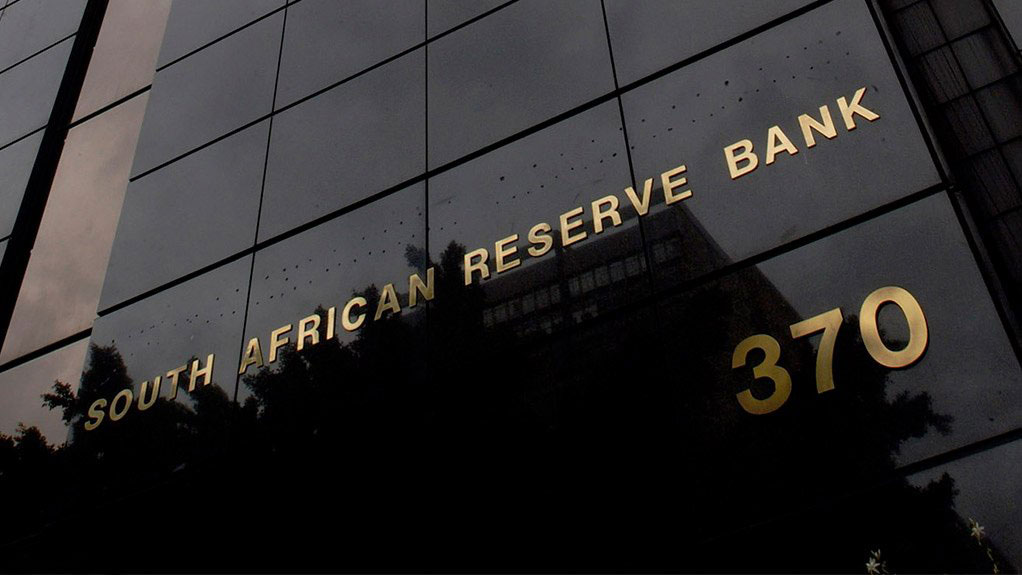
South Africa finds itself at a difficult crossroads as the Reserve Bank’s policy decisions create deeper economic stress. While some expect a small rate cut, analysts warn that the central bank may keep rates high longer than hoped. This could add significant strain on households, businesses, and the broader economy.
The Monetary Policy Committee is widely expected to announce its final rate decision for 2025. Many in markets are betting on a 25-basis-point cut, encouraged by inflation data that came in lower than forecast. Yet pressure is mounting from economists who caution that the central bank may decide to maintain rates for longer.
Inflation recently edged up to 3.6%, while core inflation sits at 3.1%, both near the new lower target of 3%. Some analysts believe these levels justify a cut. But there is strong resistance. The central bank, they claim, is prioritising long-term credibility over immediate relief.
One major concern is that real interest rates could stay high to anchor expectations. Higher rates would make borrowing costlier, squeezing households and slowing capital investments. That, critics warn, could undermine growth and put upward pressure on unemployment.
Homeowners are already feeling this tension. According to industry experts, persistently high real rates are limiting their ability to afford bonds. This is hitting demand in the housing sector, especially in what is known as the “gap market”—homes priced between R250,000 and R850,000. Many buyers in this range are being priced out completely, deepening a backlog in affordable housing.
Also Read: Friedland’s $2 Billion Platreef Project Signals New Chapter for South Africa’s Mining Sector
High rates also weigh on business investment. Firms are reluctant to commit to capital spending amid uncertainty over borrowing costs and interest rate direction. This hesitancy stunts job creation and productivity, limiting economic dynamism.
Adding to the uncertainty is South Africa’s broader economic slowdown. Business confidence is fragile, with indices pointing to weakening sentiment. A drop in business confidence makes firms more cautious on hiring and expanding operations, weakening the recovery outlook.
Some economists argue that the central bank’s cautious stance is a deliberate choice. They say the bank may prefer short-term pain in order to anchor inflation expectations and reinforce its long-term credibility. However, this strategy comes with a cost: slower growth, lower investment, and continued pressure on households.
The tight monetary conditions also challenge the government’s fiscal position. With interest rates high, debt servicing becomes more expensive. At the same time, growth remains weak, creating a difficult environment for fiscal consolidation.
There is also the risk of capital outflows. If the market believes interest rate relief will be delayed, foreign investors may pull money out, weakening the currency and raising funding costs for the country.
Consumers face a double burden. While inflation is relatively contained, food prices are rising sharply for many households. The cost of living is rising again, and many South Africans are bracing for the impact of both rate pressure and inflation.
Economists warn that the central bank’s models may not fully account for these risks. They argue that staying too hawkish for too long could further dampen economic activity and increase financial stress for consumers.
To navigate this risk, analysts say policymakers must strike a delicate balance. The central bank should support economic activity by providing some relief but avoid undermining its inflation-targeting credibility. Clear forward guidance and transparent communication will be key.
Policymakers also need to strengthen growth fundamentals: promoting investment, improving infrastructure, supporting small businesses, and stabilising public finances. These steps can reduce dependence on high rates as a policy tool.
For now, South Africa risks entering a period of heavier economic strain just as consumers begin to feel fragile again. The question is whether leadership is bold enough to pursue growth without sacrificing price stability—and whether the benefits of future growth will outweigh the costs of today’s monetary pain.

Head of Business Development, Alula Animation. With 10 years in advertising and sustained involvement in startups and entrepreneurship since graduating from business school and the School of Diplomacy and International Relations, Beloved researches and writes practical business analysis and verified job-market insights for The Business Pulse Africa.
Leave a Reply