
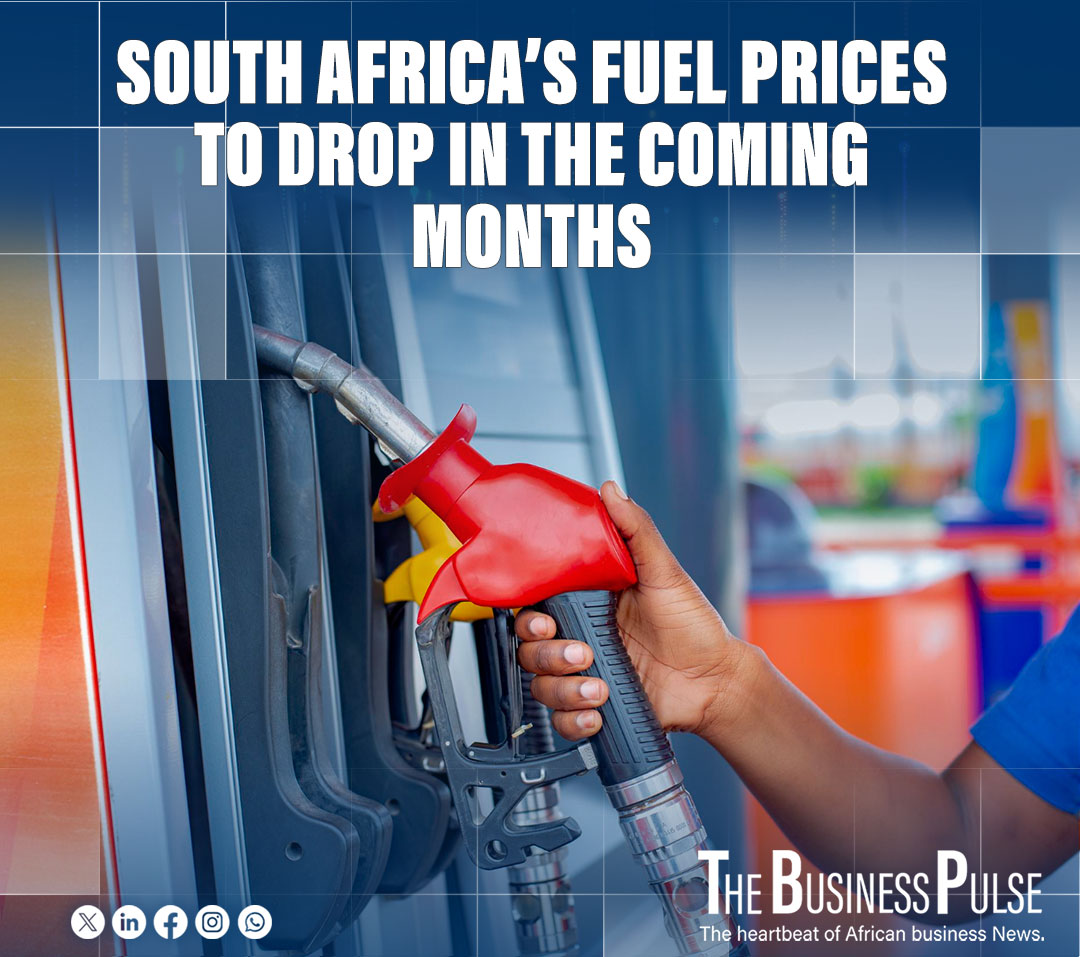
South Africa’s Fuel Prices Are Dropping
South Africa’s fuel prices are set to become more affordable in February, bringing welcome relief to motorists, businesses, and households. Recent data from the Central Energy Fund shows that cost reductions at the pump are expected to continue after a period of higher prices, giving South Africans a break on petrol and diesel as the year begins.
The changes to South Africa’s fuel prices are a result of a combination of global and local factors. These include movements in international crude oil markets, fluctuations in the rand’s value against the US dollar, and the way the government calculates monthly fuel price adjustments. While fuel costs have risen in recent cycles, the current outlook offers a moment of relief for drivers and buyers of fuel-dependent goods and services.
Join our WhatsApp Group
What’s Happening to South Africa’s Fuel Prices in February
Motorists in South Africa should expect a drop in both petrol and diesel prices in February. The Central Energy Fund, which monitors fuel market conditions, reported an over-recovery in fuel pricing data for the third week of January. Over-recovery happens when the price paid for fuel imports is higher than the price that was charged locally in the previous month, creating room for a downward adjustment. Under these conditions, South Africa’s fuel prices are forecast to decline by several tens of cents per litre across different grades of petrol and diesel. The expected range of decreases is roughly 66 to 69 cents per litre for petrol, and similar drops for diesel and illuminating paraffin.
This is good news for consumers who felt the pressure of previous price increases. A drop of this size means drivers will pay noticeably less at the pumps, and across a full tank of fuel the savings are tangible. For families, savings on petrol can help reduce overall monthly expenses. For businesses that rely on transport and logistics, the impact can be even greater, helping reduce operating costs and support competitiveness.
Why South Africa’s Fuel Prices Are Falling
There are two main drivers behind the improvement in South Africa’s fuel prices: a stronger rand and softer global crude oil prices.
1. A Stronger Rand Matters
South Africa buys most of its crude oil and refined fuel products in global markets, often denominated in US dollars. When the local currency, the rand, strengthens against the dollar, it costs less in rand terms to import the same amount of fuel. The strong performance of the rand in early 2026 has helped reduce the local currency cost of imported fuel, lowering one major component of South Africa’s fuel prices.
A stronger exchange rate means that international price movements have a less severe impact on local fuel pricing. When the rand gains ground, importers need fewer rands to buy the same amount of product in dollars. This benefit filters through to the retail price at the pump.
ALSO READ: Airbus Tests China’s Walker S2 Robot in Aircraft Factories
2. Global Oil Prices Are Not Surging
Another factor driving the drop in South Africa’s fuel prices is the trend in global oil markets. Although oil prices can be volatile due to geopolitical tensions, production decisions by major oil producers, and shifts in demand, the current market has seen periods where supply is sufficient to prevent sharp rises in crude prices. When international crude oil prices ease or stay relatively stable, it helps reduce the basic fuel price used in South Africa’s monthly fuel price calculations.
Oversupply conditions and production output from both OPEC and non-OPEC countries have kept global inventories relatively comfortable, helping to keep prices from rising sharply. This relative stability, combined with a strong local currency, has created a window in which South Africa can adjust its fuel prices downward.
How Government Price Adjustments Work
South Africa’s fuel prices are adjusted monthly by the Department of Mineral Resources and Energy. These adjustments consider several components:
- The Basic Fuel Price, which reflects international crude and product costs
- Import and transportation costs
- Exchange rate movements
- Inventory and levy positions
All of these are factored into a formula that determines how much consumers pay at the petrol station every month. Because petroleum products are imported and influenced by global markets, domestic prices cannot be set independently. Instead, they track global commodity markets and currency performance.
When crude oil prices fall and the rand strengthens, the contribution to the Basic Fuel Price decreases, allowing retailers to reduce pump prices. Administrative mechanisms, such as the slate levy which smooths price volatility, also play a role in stabilising adjustments from month to month.
ALSO READ: Themba Gorimbo and the backlash over family and identity
What the Price Changes Mean for Consumers
Lower South Africa’s fuel prices have immediate benefits for individuals who drive for work, school, or travel. Fewer rands spent on petrol means more disposable income for other essentials such as food, utilities, and education.
For small business owners, especially those in transport, delivery, and logistics, fuel is one of the largest operating costs. A decrease in diesel and petrol prices reduces overheads and can improve profit margins. In sectors such as agriculture, where fuel accounts for a significant portion of input costs, lower prices can help reduce the cost of moving goods from farms to markets and support competitiveness.
In broader terms, lower fuel prices can ease inflationary pressures on the economy. Fuel costs feed into the price of many goods and services from transport of produce to energy for equipment so a drop in petrol prices often has a knock-on effect in slowing the pace of overall price increases in the economy.
What It Means for Businesses and the Economy
Businesses in sectors that rely heavily on transport and logistics will see direct benefits from improved South Africa’s fuel prices. Reduced fuel costs can lead to lower cost of goods sold (COGS), improved service delivery margins, and potentially greater pricing flexibility for end customers.
For the agricultural sector, fuel costs are particularly impactful. South African farmers use diesel for tractors, delivery trucks, and irrigation pumps. According to industry analysts, fuel accounts for a notable share of input costs in crop production and logistics. Lower diesel prices can reduce cost pressures during planting and harvest cycles, which in turn can support food supply chains and rural business viability.
Freight and transportation companies similarly benefit from lower fuel prices. These businesses often operate on thin margins and are sensitive to fluctuations in input costs such as diesel. Improved predictability and lower fuel costs can strengthen cash flow and planning accuracy.
ALSO READ: Standard Chartered Botswana Exit: The Harsh Hidden Truth
Risks and Uncertainties Ahead
While the current outlook for South Africa’s fuel prices is positive, conditions can change quickly. Global crude oil prices are influenced by geopolitical tensions, production shifts by major oil producers, and demand changes from large economies. If supply disruptions occur or demand rises faster than expected, crude oil prices could climb, which would feed back into local fuel pricing.
Similarly, currency markets are volatile. A weaker rand increases the local cost of imported fuel, which could offset benefits from global price declines. Because fuel is priced internationally, South Africa remains exposed to external shocks beyond domestic control.
Still, the current alignment of factors is favourable, giving motorists and businesses a rare moment of relief after months of higher pump prices.
The Positive Outlook for Consumers
For now, the message around South Africa’s fuel prices is encouraging. Lower petrol and diesel costs provide budget breathing room for consumers and enterprises alike. Households will feel the relief directly at the pumps, while businesses will find operational costs slightly reduced.
The broader benefit is the potential impact on the economy’s inflation profile. With energy costs a significant driver of inflation, easing petrol prices can contribute to slowing overall price growth. This can help keep purchasing power intact, supporting consumer spending and economic activity.
As price adjustments take effect in February, South Africans may see daily expenses lighten, giving households and businesses a stronger financial footing as the year progresses.
Final Thoughts
The decline in South Africa’s fuel prices offers a rare positive development in the context of fluctuating global markets. It highlights how external factors like currency performance and global supply can work in favour of consumers and businesses when conditions align. While future price movements are always uncertain, the current downwards shift delivers immediate financial relief and helps ease cost pressures for households and economic sectors that rely on fuel.
Most importantly, it shows that fuel markets remain responsive to global conditions and that ongoing monitoring by businesses and consumers is essential for financial planning.

Head of Business Development, Alula Animation. With 10 years in advertising and sustained involvement in startups and entrepreneurship since graduating from business school and the School of Diplomacy and International Relations, Beloved researches and writes practical business analysis and verified job-market insights for The Business Pulse Africa.
Leave a Reply