
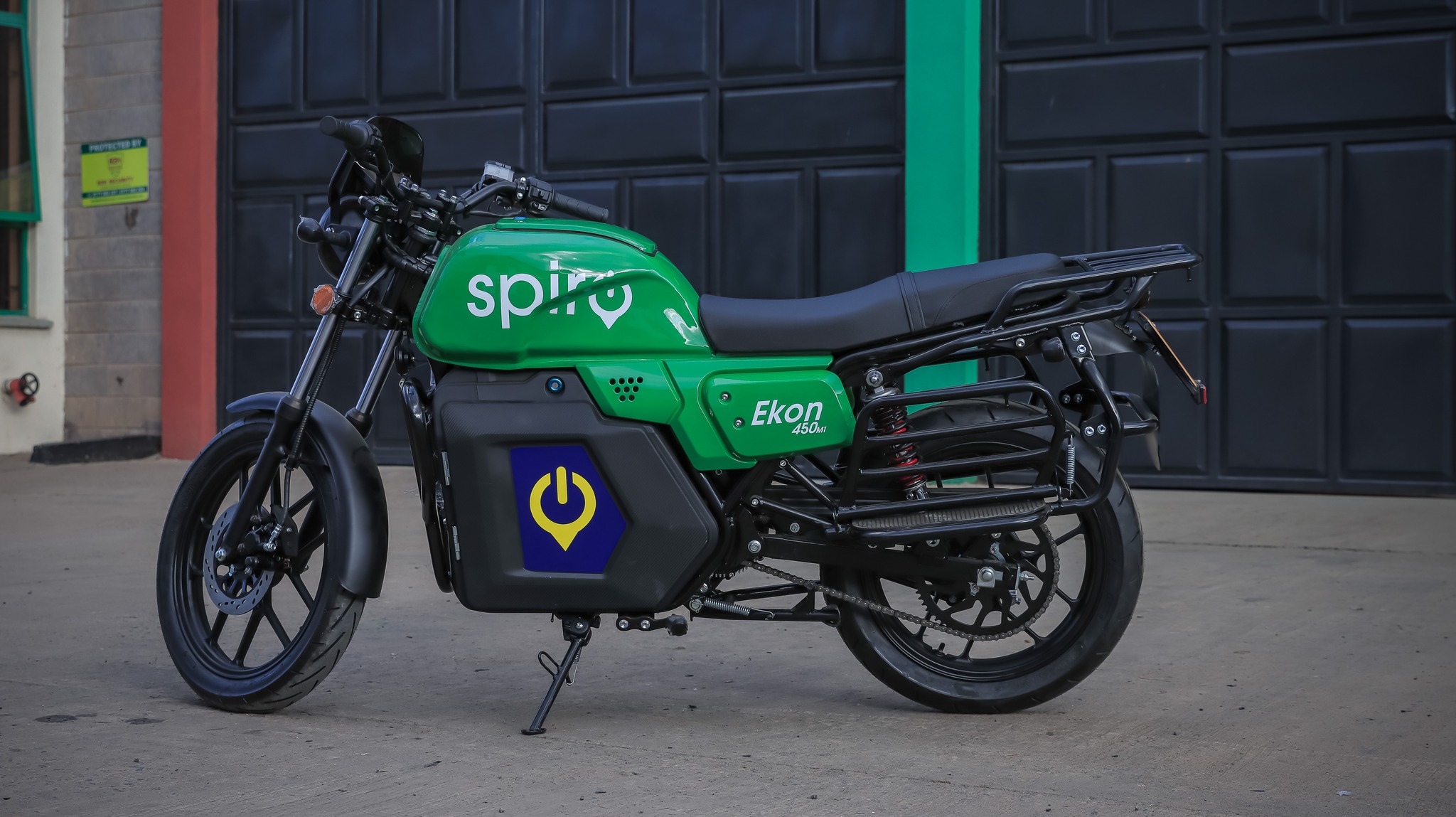
African electric‑mobility company Spiro has scored a major win with a $100 million funding round, led by the Fund for Export Development in Africa (FEDA), to accelerate its rollout of electric motorbikes and battery‑swapping infrastructure across the continent. This injection of capital could transform transport for ride‑hailing and delivery drivers in multiple African countries.
Spiro, founded in 2019 and backed by Gagan Gupta’s Equitane Group, already operates in six African markets including Kenya, Rwanda, Uganda, Nigeria and Togo. The company plans to scale even faster: it aims to deploy 100,000 electric bikes by the end of 2025, up from 20,000 currently on the road, as part of its target to embed e-mobility deeply into Africa’s gig economy.
Join our WhatsApp Group
Much of Spiro’s appeal lies in the affordability and efficiency of its bikes. Priced between $800 and $1,000, the vehicles are cost‑effective to run and maintain. For drivers working long hours, the reduced running costs of an electric bike and the convenience of swapping batteries make it a compelling alternative to petrol motorcycles.
The $100M round also supports local battery manufacturing. Spiro plans to grow its battery‑swap station network from 1,200 to 3,500 stations across the continent. This means not only lower operating costs for riders but also retraining and local job creation in battery production and infrastructure.
Also Read ~ Dollar Bourse on the Rise: VFEX Set to Overtake Harare Main Market
From a sustainability standpoint, Spiro’s mission is more than business, it’s climate-conscious development. The company’s operations already report millions of CO₂-free kilometers driven, making a real dent in emissions. By combining green tech with economic empowerment, Spiro is a case study in how business and impact can align.
There are also real economic benefits for African cities. Gig-economy drivers save on fuel and maintenance. Local battery manufacturing reduces import dependency. And if Spiro hits its deployment goals, it could help shape whole new industries around charging infrastructure, service centers and green mobility.
Of course, scaling remains a significant challenge. Building thousands of battery-swap stations will demand capital, logistics and regulatory buy-in. Spiro must also ensure that affordability stays high so that low-margin drivers can truly benefit. But with FEDA’s backing and a clear growth plan, the company seems well-positioned for impact.
Spiro is not just another transport startup, it’s a powerful signal that African innovation is solving its own mobility and climate challenges. As the company grows, it could redefine what electric mobility means in Africa, shifting dependence from fossil fuels to locally built, green transport.

Head of Business Development, Alula Animation. With 10 years in advertising and sustained involvement in startups and entrepreneurship since graduating from business school and the School of Diplomacy and International Relations, Beloved researches and writes practical business analysis and verified job-market insights for The Business Pulse Africa.
Leave a Reply