
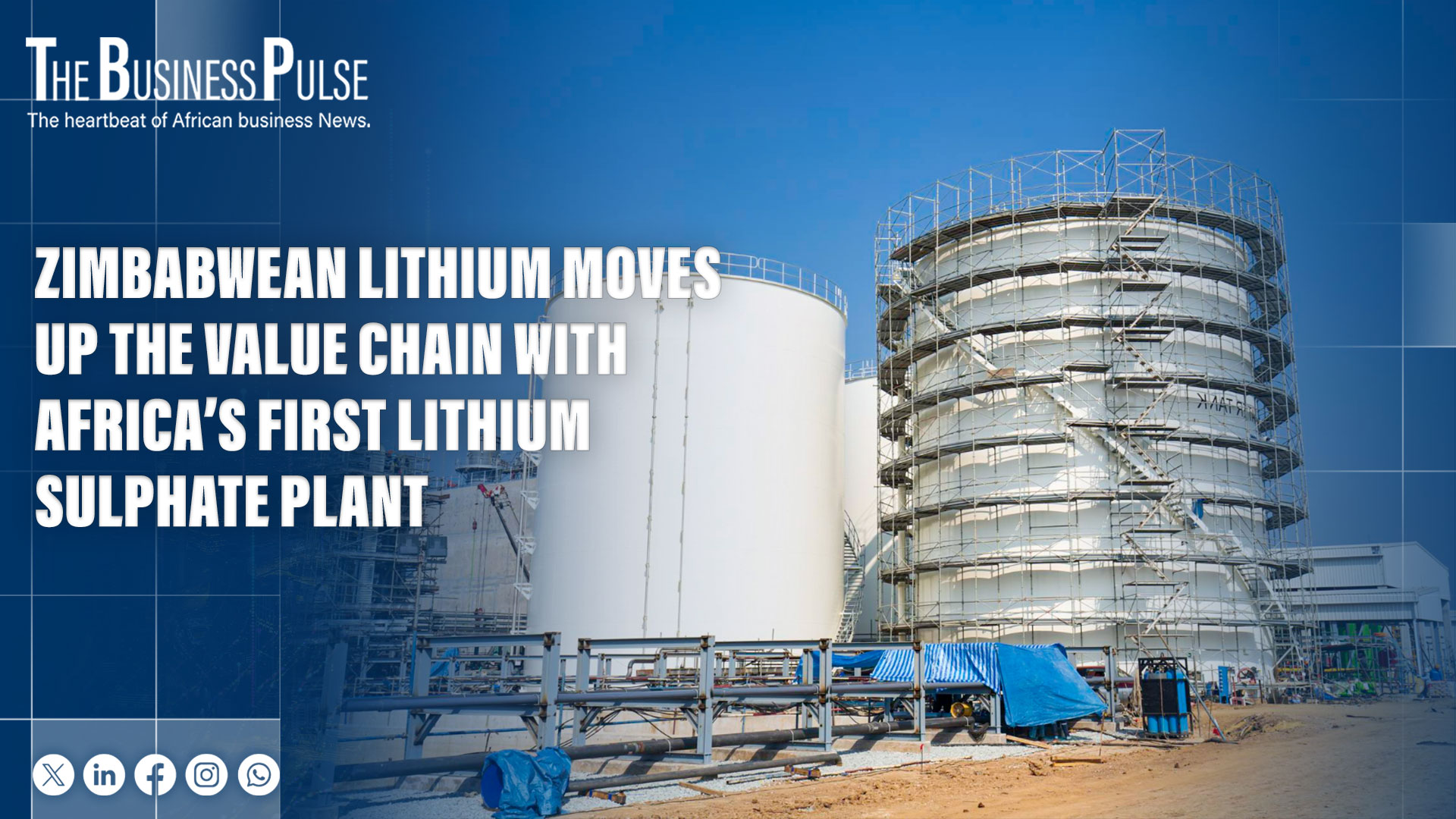
Zimbabwean lithium sulphate plant
Zimbabwe is preparing to start operations at Africa’s first lithium sulphate processing plant. The project is being developed by Prospect Lithium Zimbabwe in partnership with China’s Huayou Cobalt Co. It’s a move in the right direction, from exporting raw minerals to processing them locally. The move places Zimbabwean lithium at the centre of the country’s industrial and clean energy ambitions. It also shows a change in how Zimbabwe wants to participate in global supply chains linked to electric vehicles and battery production.
This plant is designed to convert locally mined lithium into lithium sulphate, a product used in the manufacture of battery chemicals. Instead of shipping unprocessed ore, Zimbabwe will now export a higher-value material. This approach increases export earnings, creates skilled jobs, and strengthens the role of Zimbabwean lithium in international markets.
Join our WhatsApp Group
Why lithium matters to the global economy
Lithium is one of the most important minerals in the energy transition. It is a key component in lithium-ion batteries used in electric vehicles, smartphones, and renewable energy storage systems. As countries reduce reliance on fossil fuels, demand for lithium continues to rise.
Major economies are investing heavily in electric vehicle production. Battery factories are being built in Asia, Europe, and North America. These factories need reliable supplies of lithium-based chemicals. This creates an opportunity for producer countries to move beyond mining and into processing.
For Zimbabwe, this trend makes Zimbabwean lithium a strategic resource. The country holds some of the largest hard-rock lithium deposits in Africa. Turning these resources into processed chemicals gives Zimbabwe a stronger position in the clean energy economy.
The Prospect Lithium and Huayou Cobalt partnership
The lithium sulphate plant is being developed by Prospect Lithium Zimbabwe, a company that operates lithium mines in the country. It is working with Huayou Cobalt Co., a Chinese firm that supplies battery materials to major manufacturers.
Huayou Cobalt brings technical knowledge and access to global buyers. Prospect Lithium contributes mining assets and local operations. Together, they aim to build a processing chain that begins in Zimbabwe and links directly to international battery producers.
This partnership is one of a wider pattern of Chinese involvement in African minerals. However, the difference in this case is the focus on processing inside Zimbabwe. Instead of exporting raw ore to be refined elsewhere, the companies plan to produce lithium sulphate locally. This makes Zimbabwean lithium more valuable and more competitive.
ALSO READ: Standard Chartered Botswana Exit: The Harsh Hidden Truth
From raw exports to industrial production
For many years, Zimbabwe exported most of its minerals in raw or semi-processed form. This limited income and job creation. Processing was done abroad, where most of the profit was captured.
The lithium sulphate plant represents a change in this model. By refining lithium locally, Zimbabwe can:
- Increase export revenues
- Create technical and industrial jobs
- Build manufacturing skills
- Reduce dependence on raw commodity prices
This shift supports government policy that encourages local beneficiation. The policy aims to ensure that minerals such as gold, platinum, and Zimbabwean lithium are processed inside the country before export.
Economic impact on Zimbabwe
The plant is expected to contribute to national economic growth in several ways.
Job creation
Processing plants require engineers, technicians, and support staff. This creates employment beyond traditional mining jobs. Local workers gain experience in chemical processing and industrial operations.
Foreign currency earnings
Lithium sulphate sells at higher prices than raw lithium ore. Exporting processed products improves foreign exchange inflows. This strengthens national reserves and helps stabilise the economy.
Industrial development
Once a processing plant is operating, related industries can develop. These include transport, packaging, maintenance services, and equipment supply. Over time, this can lead to a small industrial cluster around Zimbabwean lithium.
Tax revenue
Higher-value exports increase company profits and government tax income. This supports public spending on infrastructure, health, and education.
ALSO READ: South Africa’s Fuel Prices to Drop in the coming months
Position in the clean energy supply chain
The global clean energy supply chain is complex. It includes mining, chemical processing, battery production, and vehicle manufacturing. Most African countries participate only at the mining stage.
By producing lithium sulphate, Zimbabwe moves one step up the chain. This improves its bargaining power with buyers and investors. It also reduces vulnerability to sudden price drops in raw ore markets.
With this development, Zimbabwean lithium becomes part of a system that feeds directly into battery factories. This links the country’s economy to long-term global demand for electric vehicles and renewable energy storage.
Strategic importance for China
China dominates the global battery materials market. Many Chinese companies supply cathodes, anodes, and refined lithium chemicals. Huayou Cobalt is one of the firms supporting this supply chain.
For China, investing in Zimbabwe ensures access to lithium resources. It also allows Chinese companies to control more stages of production. Instead of buying raw lithium on the open market, they can source processed material from partner operations.
This arrangement benefits Zimbabwe if managed carefully. Local processing ensures that part of the value remains in the country. At the same time, China gains supply security. The result is a commercial partnership based on shared interests in Zimbabwean lithium.
Infrastructure and energy requirements
Lithium processing plants need reliable electricity, water, and transport networks. This places pressure on national infrastructure.
To operate efficiently, the plant will require:
- Stable power supply
- Water for chemical processing
- Roads or rail for product transport
- Environmental control systems
These needs can lead to wider investment in utilities and logistics. Improved infrastructure benefits surrounding communities and other industries. It also supports future projects linked to Zimbabwean lithium and other minerals.
ALSO READ: China Britain Relations Enter New Phase After Visa-Free Deal
Environmental and regulatory issues
Lithium processing involves chemicals and waste products. Proper regulation is necessary to prevent pollution and protect water sources.
Zimbabwe’s authorities must ensure:
- Environmental impact assessments are enforced
- Waste is treated safely
- Water use is controlled
- Worker safety standards are applied
If these controls are weak, public opposition could grow. However, if standards are maintained, the industry can operate with lower environmental risk than many traditional mining activities.
Strong regulation will also improve the reputation of Zimbabwean lithium in global markets. Battery makers increasingly prefer suppliers with good environmental records.
Regional significance for Africa
This plant is described as Africa’s first lithium sulphate facility. That gives Zimbabwe a first-mover advantage. Other African countries also have lithium deposits, but few have processing capacity.
Zimbabwe’s experience may shape future policy in countries such as Namibia, the Democratic Republic of Congo, and Mali. If the project succeeds, it will show that mineral processing is possible on the continent.
This could encourage more regional investment in battery materials. Over time, southern Africa could develop into a major centre for lithium chemicals. In that scenario, Zimbabwean lithium would be seen as a pioneer rather than just a resource.
Risks and challenges
Despite its promise, the project faces several risks.
Market risk
Lithium prices are volatile. If global supply increases too fast, prices may fall. This could reduce profit margins for processed products.
Operational risk
Processing plants require skilled management. Technical failures or supply problems could disrupt output.
Policy risk
Changes in mining laws or export rules could affect investor confidence. Stability is needed to keep long-term projects viable.
Infrastructure risk
Power shortages or transport delays could limit production capacity.
These challenges mean that success will depend on careful planning and coordination between government and private partners. For Zimbabwean lithium, reliability will be as important as volume.
Long-term industrial potential
In the long run, lithium sulphate production could lead to more advanced manufacturing. Zimbabwe could eventually move into cathode material production or even battery assembly.
Such steps would require:
- Larger investment
- Skilled labour training
- Strong electricity supply
- Stable industrial policy
While this is not immediate, the current plant is a foundation. It introduces chemical processing skills into the economy. It also shows investors that Zimbabwe is serious about industrial development linked to Zimbabwean lithium.
Social and community effects
Mining communities often depend on single industries. Processing plants can improve income stability by creating different types of jobs.
Local benefits may include:
- Employment opportunities
- Training programs
- Improved roads and services
- Small business growth
However, community relations must be managed carefully. If people feel excluded from benefits, tension may rise. Transparent hiring and local procurement can help build trust around Zimbabwean lithium operations.
International perception and trade relations
Zimbabwe has faced economic and political challenges for many years. Large industrial projects help improve its image as a business destination.
A functioning lithium sulphate plant sends a signal that the country can host advanced industrial facilities. This may attract further foreign direct investment. It also strengthens trade ties with countries involved in battery manufacturing.
As electric vehicles become more common, buyers will look for reliable sources of lithium chemicals. If Zimbabwe maintains quality and consistency, Zimbabwean lithium could become a recognised product in global markets.
Conclusion
The launch of Africa’s first lithium sulphate plant marks a turning point for Zimbabwe’s mining sector. Instead of exporting raw ore, the country is moving into chemical processing. This improves income, creates jobs, and links the economy to the global clean energy industry.
Through its partnership with Huayou Cobalt, Zimbabwe gains access to technology and markets. At the same time, it keeps part of the value chain at home. The project supports national goals of industrialisation and export growth.
Challenges remain, including infrastructure, environmental control, and price volatility. Yet the strategic direction is clear. By developing Zimbabwean lithium into a processed export, the country positions itself as a supplier to the future energy economy rather than just a source of raw materials.
If managed well, this project could reshape Zimbabwe’s role in global trade. It could also serve as a model for other African countries seeking to benefit more fully from their natural resources.
Leave a Reply