
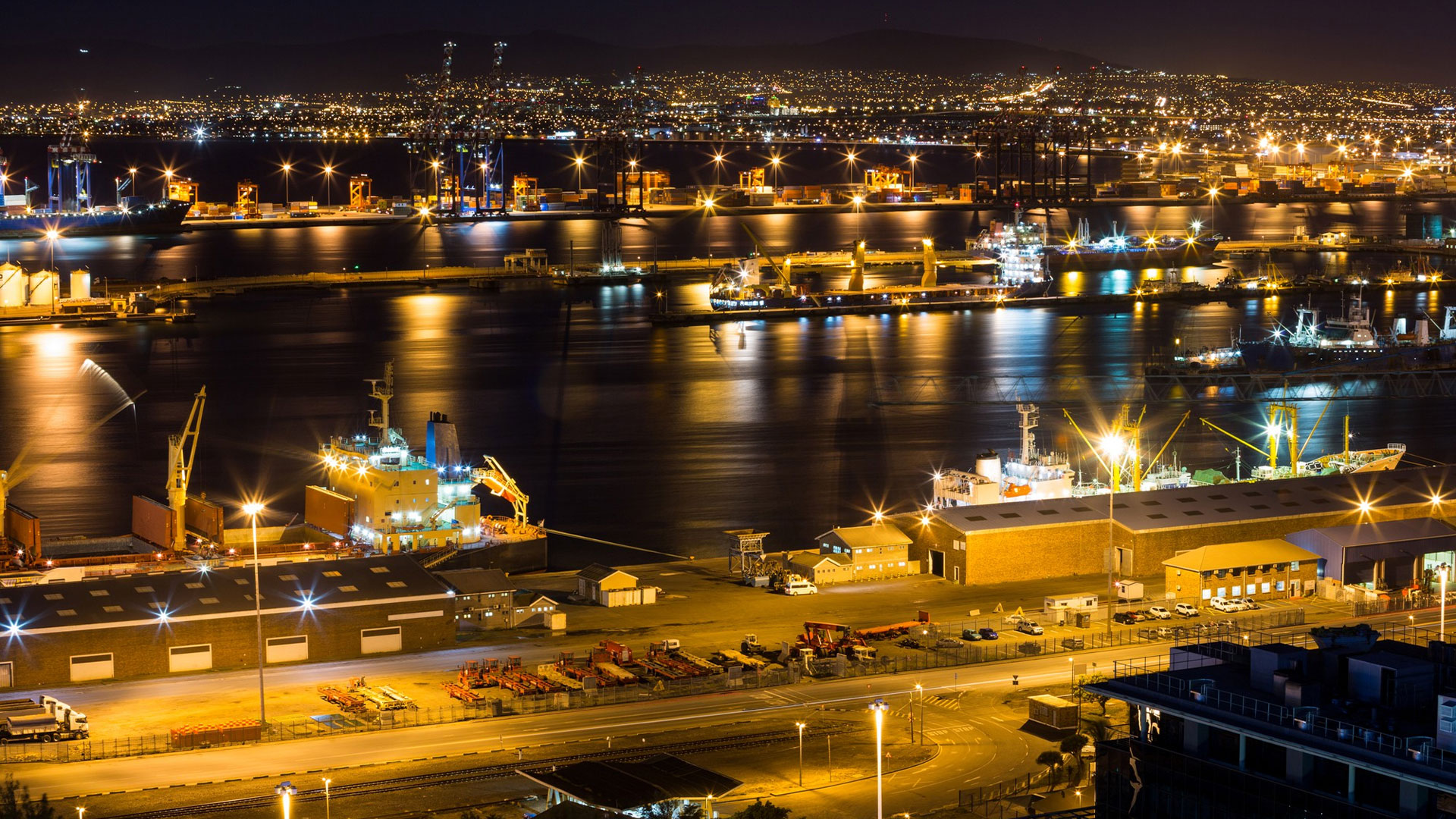
Middle East-Africa trade corridors
The closure of the Strait of Hormuz in late February 2026 has restructured the logistical framework of the Indian Ocean. This maritime chokepoint previously facilitated 30 percent of global liquefied natural gas and 20 percent of total oil shipments. The resulting blockages have immediate consequences for Middle East-Africa trade corridors that link the Gulf Cooperation Council (GCC) states with East and North African markets. Total bilateral trade between the Arab world and Africa reached 110 billion USD in 2025. Current projections for 2026 suggest a 15 percent contraction in volume due to increased freight insurance and rerouted shipping lanes.
Join our WhatsApp Group
The Mechanics of Disruption in West Asia
Iran and its neighbors in the Gulf serve as primary suppliers of petrochemicals, fertilizers, and energy to the African continent. The disruption of Middle East-Africa trade corridors has increased the cost of urea and phosphate by 22 percent since January 2026. These inputs are critical for agricultural productivity in nations such as Ethiopia, Kenya, and Tanzania. Vessels that previously transited the Persian Gulf now navigate around the Cape of Good Hope. This adjustment adds 12 to 15 days to transit times.
The logistical delay impacts the liquidity of West Asian corporates. Firms based in Dubai and Doha operate as regional hubs for African distribution. These companies now face higher inventory carrying costs. Middle East-Africa trade corridors are currently restricted by “war risk” surcharges imposed by international insurers. These surcharges average 5,000 USD per standard container. Small and medium enterprises in the Gulf are reporting a 10 percent decline in quarterly revenue as African clients seek localized alternatives.
Corporate Shifts and Alternative Sourcing
African corporates are responding to the instability by seeking alternative supply origins. Brazilian and Moroccan fertilizer producers have reported a 30 percent increase in inquiries from East African agricultural conglomerates. This shift away from Middle East-Africa trade corridors involves a technical reassessment of procurement costs. While Gulf products were historically cheaper due to proximity, the current risk premiums have equalized the pricing of Atlantic-sourced goods.
Strategic Procurement Adjustments for 2026:
| Commodity | Former Source (GCC/Iran) | Alternative Source | Cost Variance (%) |
| Urea Fertilizer | Oman / Qatar | Brazil / Morocco | +8% |
| Bitumen / Asphalt | Iran | South Africa / India | +12% |
| Refined Petroleum | UAE / Kuwait | Dangote (Nigeria) / Angola | +5% |
Businesses in Africa are also exploring the International North-South Transport Corridor (INSTC) as a land-based alternative, though its capacity remains limited. The move to secure business involves long-term contracts with suppliers in Southeast Asia and Latin America. These secondary Middle East-Africa trade corridors focus on stability rather than speed.
The Acceleration of Intercontinental Trade
The disruption of external supply chains has increased the internal relevance of the African Continental Free Trade Area (AfCFTA). As Middle East-Africa trade corridors become more expensive, intra-African trade offers a method to mitigate inflation. The AfCFTA Secretariat reports a 12 percent increase in cross-border trade filings within the SADC and EAC blocks since the Hormuz crisis began.
African corporates are now investing in local manufacturing to replace Gulf imports. In Nigeria and Egypt, plastics and chemical industries are expanding capacity to meet regional demand. This localization reduces the dependency on volatile Middle East-Africa trade corridors. Institutional investors are shifting capital toward African infrastructure projects that support rail and road connectivity between regional hubs like Lagos, Nairobi, and Luanda.
Impact on West Asian Investment in Africa
Gulf sovereign wealth funds (SWFs) have historically been major investors in African port and energy infrastructure. The current tension around Iran has paused several high-value projects. Investment flows through Middle East-Africa trade corridors decreased by 2.5 billion USD in the first quarter of 2026. Investors are prioritizing “near-shoring” projects that do not rely on the Strait of Hormuz for equipment delivery.
However, Saudi Arabia and the UAE continue to view Africa as a long-term food security partner. Agricultural investments in Sudan and Zambia are being reconfigured to focus on land-to-port road networks. These networks bypass the most volatile sections of the Middle East-Africa trade corridors. The future of business in West Asia depends on creating resilient logistical loops that can withstand maritime chokepoint closures.
Securing African Businesses: Strategic Directions
To secure operations, African governments are implementing strategic stockholding policies. Kenya and Rwanda have increased their national fuel and grain reserves to cover six months of consumption. This buffer provides a technical defense against the volatility of Middle East-Africa trade corridors. Additionally, firms are adopting “Multi-Origin Sourcing” software to track global commodity prices and shipping risks in real-time.
Middle East-Africa trade corridors will likely evolve into more specialized routes. High-value, low-volume goods may transition to air freight through hubs like Addis Ababa and Istanbul. Bulk commodities will remain dependent on maritime shipping, requiring larger vessels to offset the cost of the longer Cape route. African corporates that diversify their logistics providers are currently reporting 5 percent better margin retention than those reliant on single-route Gulf suppliers.
The Future of Intercontinental Corporate Strategy
Large African conglomerates are moving toward vertical integration. By owning the raw material source and the processing facility, these firms eliminate the risks associated with Middle East-Africa trade corridors. For example, Dangote Industries in Nigeria is utilizing domestic natural gas to produce fertilizers for the West African market. This model serves as a blueprint for reducing continental exposure to West Asian geopolitical shocks.
The relationship between Middle East-Africa trade corridors and global trade is also shifting. China and India are competing for influence in these corridors by offering alternative financing for port projects. African nations are using this competition to negotiate better terms for infrastructure development. The goal is to create a “multi-polar” trade environment where no single maritime disruption can paralyze the continental economy.
ALSO READ: Britain and Nigeria Agree to £746 Million Plan for Nigerian Port Redevelopment Project
Navigating Financial Volatility
Currency fluctuations add another layer of complexity to Middle East-Africa trade corridors. The US dollar remains the primary currency for petroleum and chemical trade. As the cost of these goods rises due to shipping delays, African central banks are facing increased pressure on their foreign exchange reserves. Some nations are exploring “Barter Trade” agreements. In these arrangements, African minerals are exchanged directly for Gulf energy products, bypassing the need for dollar liquidity in the Middle East-Africa trade corridors.
Technological adoption is a requirement for survival in this environment. Blockchain-based trade finance platforms allow for faster verification of goods and payments. These platforms reduce the “trust gap” in Middle East-Africa trade corridors during times of crisis. Companies that utilize digital trade platforms report 15 percent faster customs clearance at ports like Mombasa and Durban.
Conclusion: The Long-Term Outlook
The events of 2026 indicate that Middle East-Africa trade corridors are no longer a guaranteed low-cost option for the continent. Businesses must adapt to a “risk-on” environment where maritime security is a primary cost factor. The expansion of AfCFTA and the growth of domestic African manufacturing offer the most sustainable path forward. While trade with Iran and the Gulf will continue, it will occupy a smaller percentage of the total African trade basket.
The future of Middle East-Africa trade corridors depends on the ability of both regions to innovate around logistical constraints. African countries that prioritize local production and diverse sourcing will remain resilient. Those that fail to adjust their procurement models face sustained inflationary pressure. Ultimately, the 2026 crisis serves as a catalyst for a more self-reliant and integrated African economy. The Middle East-Africa trade corridors will remain relevant only if they can provide the stability that modern global commerce requires.
Leave a Reply