
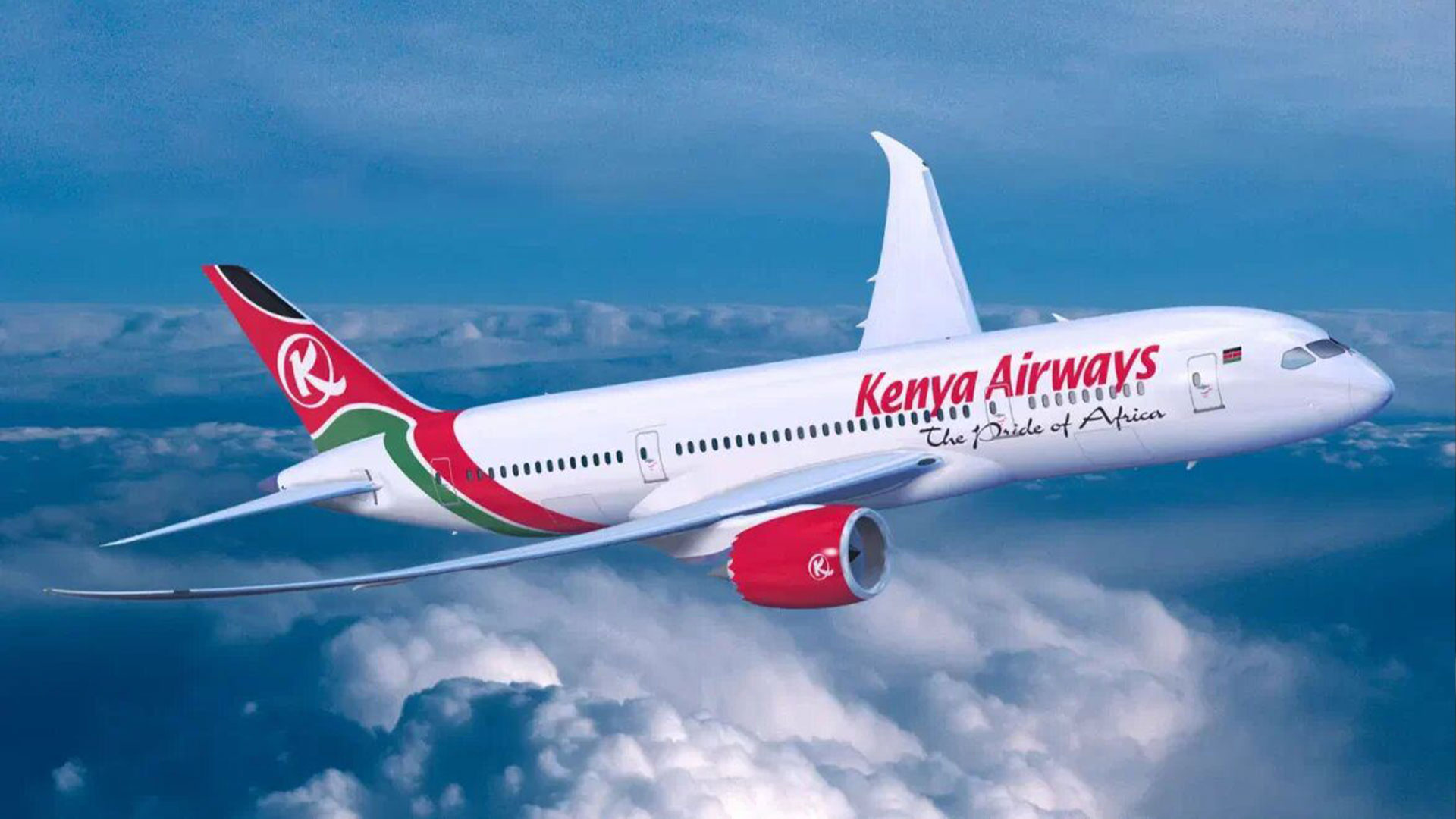
Kenya Airways flight frequency surge
NAIROBI – Kenya Airways (KQ) has initiated a significant capacity expansion to manage a sudden influx of international travelers avoiding Middle Eastern airspace. The current Kenya Airways flight frequency surge is a direct response to the closure of major hubs in Dubai and Doha following the escalation of regional hostilities in March 2026. Data from the airline indicates that seat occupancy rates have reached 99 percent on several long-haul sectors. This volume is statistically significant for the March period, which typically represents a low travel season for East African carriers.
Join our WhatsApp Group
Operational Drivers of the Capacity Increase
The primary catalyst for the flight frequency surge is the mass rerouting of passengers traveling between the West and the Global South. International aviation authorities have issued “No-Fly” zones over large portions of the Persian Gulf. Consequently, the Jomo Kenyatta International Airport (JKIA) in Nairobi has emerged as a primary alternative transit point. The Kenya Airways flight frequency surge serves as a logistical bridge for travelers who previously utilized Emirates, Qatar Airways, or Etihad.
Kenya Airways management confirmed that the flight frequency surge is most concentrated on routes connecting Nairobi to London, New York, and Guangzhou. Flight frequencies to London Heathrow have moved from daily to double-daily operations. Similarly, the Nairobi-JFK route has seen an increase in weekly rotations to accommodate 99 percent load factors. This Kenya Airways flight frequency surge has required the airline to recall standby crew and optimize aircraft turnaround times at JKIA.
Market Share and Passenger Demographics
The Kenya Airways flight frequency surge has altered the competitive landscape of African aviation. While Ethiopian Airlines remains a dominant player, the geographical positioning of Nairobi offers a specific advantage for South-to-North corridors during this crisis. The airline expects that the Kenya Airways flight frequency surge will result in a 15 percent increase in quarterly passenger revenue. Internal projections suggest that the carrier could retain 40 percent of these new passengers after the conflict subsides.
This retention strategy is a core component of the Kenya Airways flight frequency surge. The airline is utilizing its loyalty program to incentivize first-time transiting passengers to maintain Nairobi as their preferred hub. The current Kenya Airways flight frequency surge provides the carrier with a unique data set on traveler preferences for non-Middle Eastern transit routes. Market analysts observe that the 99 percent occupancy rate is a functional test of the airline’s “Project Kifaru” expansion plan.
Logistics, Fuel, and Repatriation Efforts
To sustain the flight frequency surge, the company has secured additional aviation fuel contracts with suppliers in Angola and Nigeria. This move mitigates the supply chain risks associated with Gulf-sourced jet fuel. The flight frequency surge also includes a humanitarian dimension. The airline has conducted two successful repatriation flights from the region and has plans for additional missions. These flights are integrated into the broader Kenya Airways flight frequency surge schedule to maximize fleet utilization.
Operational Statistics for March 2026:
| Route Category | Occupancy Rate (%) | Frequency Increase (%) |
| Europe (LHR, CDG, AMS) | 98.5 | +45 |
| North America (JFK) | 99.2 | +30 |
| Asia (CAN, BKK) | 97.8 | +25 |
| Regional (JNB, LOS) | 94.0 | +15 |
The flight frequency surge has placed significant pressure on ground handling services at JKIA. The Kenya Airports Authority (KAA) has opened secondary screening lanes to manage the 25 percent increase in transit traffic. The Kenya Airways flight frequency surge is currently supported by a temporary relaxation of certain bilateral air service agreements. This allow the airline to deploy larger Boeing 787-8 Dreamliners on routes previously served by narrow-body Embraer 190 aircraft.
Economic Impact and Future Outlook
The financial implications of the flight frequency surge are visible in the airline’s latest treasury report. Cash reserves have improved due to the high volume of last-minute, full-fare bookings. However, the Kenya Airways flight frequency surge also brings higher operational costs. Maintenance cycles for the long-haul fleet have been accelerated to ensure safety standards during high-utilization periods. The airline has allocated an additional 12 million USD for technical spares to support the Kenya Airways flight frequency surge.
Industry observers indicate that the Kenya Airways flight frequency surge could accelerate the airline’s path to privatization. The Kenyan government is currently reviewing proposals from international investors who view the airline’s 2026 performance as a proof of concept for a sustainable East African hub. The frequency surge demonstrates that Nairobi can handle major global traffic diversions with minimal notice.
ALSO READ: African energy self-sufficiency: Regional governments seek Dangote Refinery contracts amid global supply shocks
Strategic Retention and 2026 Projections
The goal to retain 40 percent of current passengers depends on the consistency of service during the Kenya Airways flight frequency surge. KQ has increased its in-flight catering budget by 18 percent to match the service levels expected by former Middle Eastern hub travelers. The Kenya Airways flight frequency surge is viewed as a “stress test” for the airline’s digital booking and customer service infrastructure.
If the Kenya Airways flight frequency surge continues through the second quarter, the airline may need to explore “wet-lease” arrangements for additional wide-body aircraft. This would allow the carrier to maintain the Kenya Airways flight frequency surge without the long-term debt associated with new aircraft purchases. The current global aviation environment remains volatile, but Kenya Airways is positioned to capture a larger share of the Afro-global travel market.
Conclusion: The Nairobi Pivot
The 2026 aviation crisis has transformed JKIA from a regional gateway into a critical node for global travel. The Kenya Airways flight frequency surge is the primary mechanism through which this transformation is occurring. By achieving 99 percent occupancy rates and securing alternative fuel lines, the airline has shown operational resilience. The Kenya Airways flight frequency surge will remain the defining feature of the airline’s 2026 fiscal year. Ultimately, the success of this period will be measured by the carrier’s ability to convert temporary transit traffic into long-term brand loyalty.
Leave a Reply