
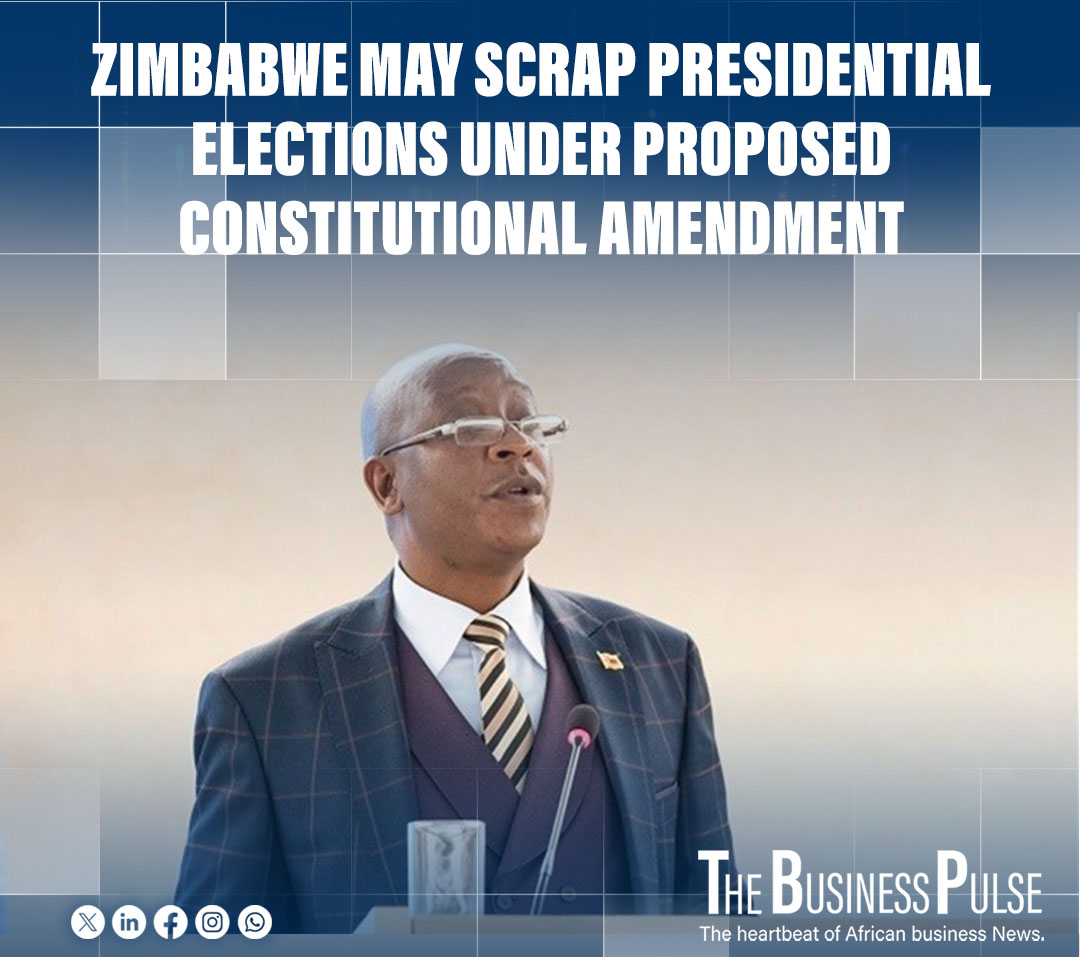
Zimbabwe Debates Proposal to Scrap Presidential Elections
Zimbabwe has entered a new phase of constitutional debate following reports that proposed amendments could lead the country to scrap presidential elections. The idea has triggered wide public discussion about democracy, executive power and the future of political participation in the country. While no final decision has been made, the proposal has raised important questions about governance and constitutional reform in Zimbabwe.
At the centre of the debate is a proposal that would change how the head of state is selected. Instead of the current system where citizens directly vote for a president, the suggested model would allow Parliament to choose the head of government. This would fundamentally alter Zimbabwe’s political structure and could mean the end of direct presidential elections as they are currently known.
Supporters of the idea argue that it could bring political stability and reduce costly national elections. Critics, however, warn that such a move would weaken democratic accountability and remove the public’s direct role in choosing national leadership.
Join our WhatsApp Group
What the Proposal Involves
Under the reported amendments, Zimbabwe would move closer to a parliamentary system. In such a system, the leader of the majority party in Parliament becomes head of government rather than being elected separately by voters nationwide. This is different from the current presidential system, where citizens vote directly for the president every five years.
If implemented, this change would effectively scrap presidential elections in their present form. Voters would still elect Members of Parliament, but the president would be selected from within Parliament rather than through a national ballot.
Proponents say this would align Zimbabwe with countries that operate under parliamentary models, such as South Africa or the United Kingdom, where the head of government emerges from Parliament. They argue that this structure can reduce political tension during election seasons and limit disputes over presidential results.
Political Context
The discussion comes at a time when constitutional amendments have become a recurring feature of Zimbabwe’s political landscape. Since the adoption of the 2013 Constitution, several changes have already been introduced, particularly around the appointment of judges and senior public officials.
The current debate is sensitive because it directly affects the highest office in the land. Any move to scrap presidential elections would reshape the balance of power and redefine the relationship between citizens and the executive branch.
For many Zimbabweans, the right to vote for a president is symbolic of political independence and popular sovereignty. Removing that right, even if replaced by parliamentary selection, may be seen as a step away from direct democracy.
Role of the Zimbabwean President
The position of the Zimbabwean president has historically been powerful, combining roles as head of state, head of government and commander-in-chief of the armed forces. Any reform that changes how this office is filled would therefore have far-reaching consequences.
If the president were chosen by Parliament instead of voters, political parties would gain even greater influence over leadership outcomes. The Zimbabwean president would depend more heavily on party loyalty and parliamentary majorities rather than on direct public endorsement.
This could strengthen party discipline but might also reduce public trust in the political system if citizens feel excluded from key decisions. Analysts note that legitimacy in African politics often rests on electoral participation, and removing presidential elections could challenge that foundation.
Arguments in Favour
Supporters of the proposal point to several possible benefits. One is cost reduction. Presidential elections require extensive resources, including security deployment, logistics and electoral administration. A parliamentary selection process could lower these expenses.
Another argument is political stability. Zimbabwe has experienced disputed elections in the past, which sometimes led to unrest and prolonged legal challenges. Backers of reform believe that allowing Parliament to select the president could reduce conflict by keeping leadership decisions within established political institutions.
Some also argue that parliamentary systems promote collective leadership rather than concentrating power in a single individual. This could encourage cooperation among political actors and make government more accountable to legislators.
Concerns and Criticism
Opponents of the idea say it undermines democratic choice. For many citizens, voting for a president is the most important political act they perform. Scrapping presidential elections could be interpreted as limiting that voice.
Civil society groups have warned that such a move could weaken checks and balances. If the ruling party dominates Parliament, it would effectively control both the legislature and the presidency, leaving little room for opposition influence.
There is also concern about public consultation. Constitutional changes of this magnitude require broad national debate and, ideally, a referendum. Without inclusive dialogue, the legitimacy of the reform could be questioned.
Legal experts have pointed out that Zimbabwe’s Constitution was adopted through a popular vote, and altering its core features without similar public participation risks creating a democratic deficit.
Regional Comparisons
Across Africa, different systems of selecting leaders exist. Countries such as South Africa, Botswana and Ethiopia operate parliamentary or semi-parliamentary systems, while others such as Kenya, Ghana and Nigeria retain direct presidential elections.
Zimbabwe’s possible shift would place it among nations that rely on parliamentary leadership selection. However, many of those countries also have strong institutions and long traditions of legislative oversight, which Zimbabwe is still developing.
Observers note that system change alone does not guarantee better governance. What matters more is the strength of institutions, respect for the rule of law and protection of political freedoms.
Public Reaction
Public reaction has been mixed. Some citizens see the proposal as an elite political project that does not address everyday economic challenges such as unemployment, inflation and service delivery. Others worry that it signals an attempt to control succession politics rather than empower voters.
On social media and in public discussions, many Zimbabweans have questioned why leadership selection is being prioritised over economic reform. For them, the debate about whether to scrap presidential elections feels disconnected from daily struggles.
At the same time, some commentators argue that constitutional reform is necessary for long-term stability and that the issue deserves serious national engagement rather than emotional rejection.
ALSO READ: Zimbabwe to launch Africa’s first lithium sulphate plant that will move into value-added mineral processing
What Happens Next
For the proposal to become law, it would need to pass through Parliament and meet constitutional requirements. Depending on the nature of the amendment, a public referendum may be required. This would give citizens an opportunity to decide whether they accept the change.
The process is likely to be politically charged, especially as future elections approach. How the issue is handled will shape public trust in the reform process and in the office of the Zimbabwean president.
If the amendment fails, it will reaffirm the current system of direct presidential elections. If it succeeds, Zimbabwe will enter a new political era where Parliament plays a decisive role in choosing national leadership.
Broader Implications
Beyond Zimbabwe, the debate is being watched by other African countries considering governance reforms. It raises a fundamental question about how leadership should be chosen in modern African states and what role citizens should play in that choice.
The proposal to scrap presidential elections touches on identity, history and democratic values. It forces Zimbabweans to consider whether stability should come from institutional change or from strengthening existing electoral systems.
Ultimately, the outcome will depend on political negotiation, public opinion and constitutional procedure. What is clear is that the discussion has already opened a deeper conversation about power, accountability and the future of democracy in Zimbabwe.
As the debate continues, many citizens and observers agree on one point: any decision affecting how the Zimbabwean president is chosen must be rooted in transparency, public participation and respect for constitutional principles.
Leave a Reply