
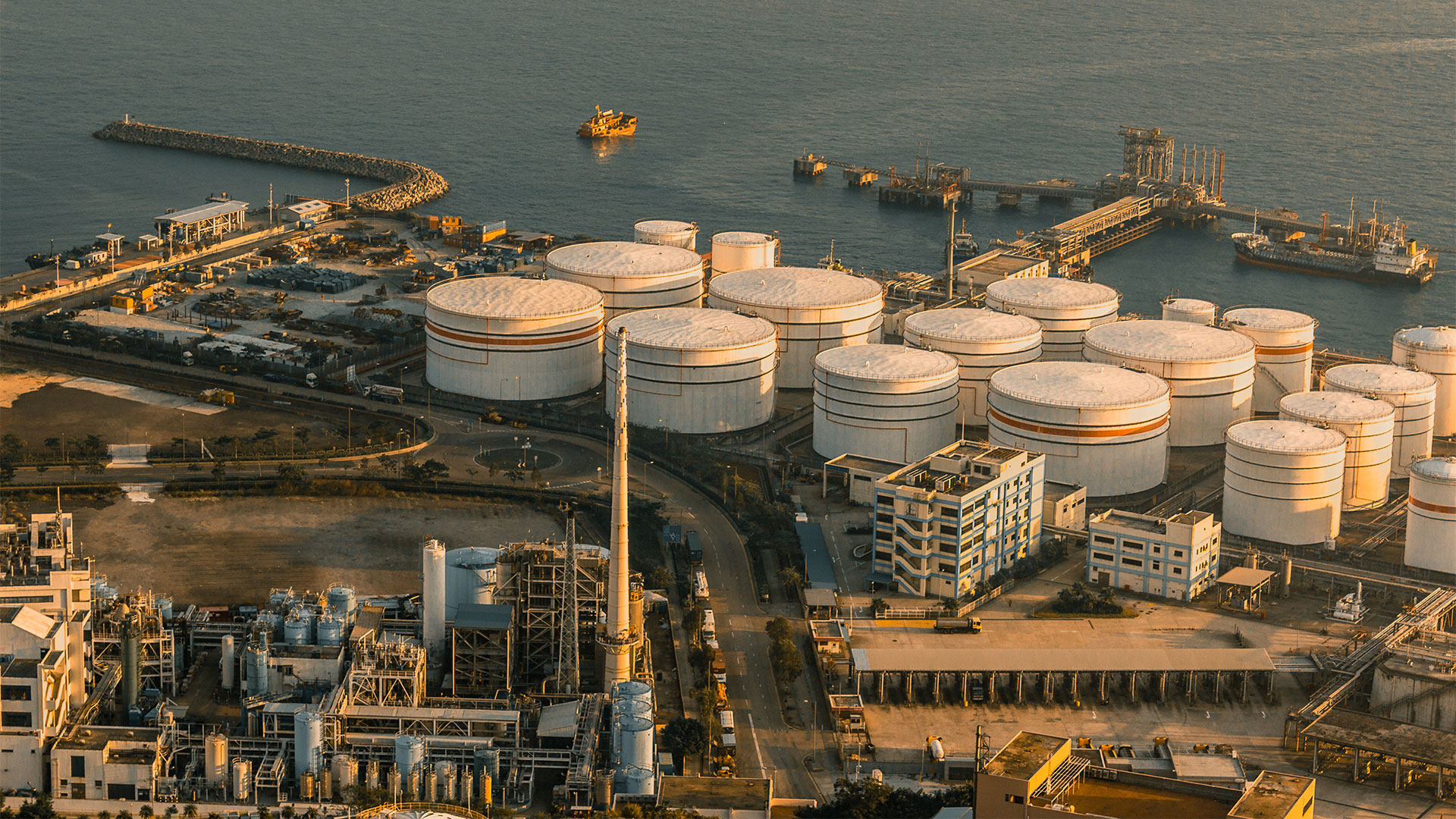
Global Energy Market Instability
The escalation of hostilities in the Gulf between Israel and Iran has moved beyond a regional security crisis and transformed into a catalyst for profound global energy market instability. As of March 2026, the maritime corridors of the Middle East have become the primary theater for a conflict that threatens the structural foundations of the world economy. The direct confrontation between these two powers has not only spiked the cost of crude oil but has also severely impaired the availability of Liquefied Petroleum Gas (LPG) and Liquefied Natural Gas (LNG).
For nations and multinational firms, the current environment of global energy market instability is no longer a theoretical risk. It is a daily operational reality. The “Strait of Hormuz,” a narrow waterway that facilitates the passage of roughly twenty percent of the world’s daily petroleum and gas supply, is currently a high risk zone where shipping traffic has significantly slowed or halted. This disruption is the primary driver of the current global energy market instability, as benchmark prices for Brent crude have surged toward the $100 per barrel mark within a single week of intensified combat.
Join our WhatsApp Group
The Fuel Shock: Crude Oil and Transport Vulnerabilities
The immediate manifestation of global energy market instability is found in the price of crude oil. When the U.S. and Israel launched strikes on Iranian infrastructure in early March 2026, the international benchmark, Brent North Sea crude, surged to $92.69 per barrel. This represents a nearly thirty percent increase in a week, marking the most aggressive price move in years. For governments, this spike is a direct threat to macroeconomic stability, as it fuels inflation across the transportation and manufacturing sectors.
The volatility is compounded by the “force majeure” declarations coming from major Gulf exporters. When a country like Qatar, which provides a massive share of the world’s LNG, warns that exports could halt within weeks, it creates a feedback loop of global energy market instability. Businesses that rely on timely fuel deliveries are seeing their insurance premiums skyrocket, while the physical safety of tankers remains unassured. This atmosphere of global energy market instability forces a re-evaluation of just in time supply chains that have dominated global trade for decades.
The LPG Crisis: Household and Industrial Impact
While crude oil often dominates the headlines, the shortage of LPG and LNG presents a more intimate crisis for billions of people. In markets like India and Europe, LPG is the lifeblood of domestic heating and cooking. The current global energy market instability has seen European gas prices rise by over seventy percent in some trading sessions. In India, which imports nearly ninety percent of its LPG from the Middle East, the government has been forced to invoke emergency powers to instruct domestic refiners to maximize output from available propane and butane stocks.
This shortage is a direct byproduct of global energy market instability. When Iranian drone strikes hit processing facilities like those at Ras Laffan, the global supply of “cooking gas” is immediately squeezed. For corporations in the petrochemical sector, this creates a dilemma: redirecting raw materials to provide fuel for households reduces the margins for producing plastics and chemicals. This friction is a hallmark of the cascading effects found within global energy market instability.
Government Preparedness: Building Strategic Buffers
To mitigate the effects of global energy market instability, governments must move beyond reactive measures. The current crisis highlights the absolute necessity of Strategic Petroleum Reserves (SPR). Nations that have maintained healthy inventories are better positioned to weather the initial shock of global energy market instability. However, reserves are a temporary fix. A more robust preparedness strategy includes:
- Trade Diversification: Governments must aggressively pursue energy partnerships with non Gulf states. Expanding imports from the United States, Guyana, and African producers like Namibia can dilute the impact of global energy market instability centered in the Middle East.
- Emergency Energy Legislation: Invoking “Defense Production” style acts allows a state to prioritize energy for critical sectors during periods of global energy market instability.
- Infrastructure Resilience: Protecting domestic refineries and pipelines from cyber and physical retaliation is essential as the war expands into the digital domain.
The long term solution to global energy market instability remains the acceleration of the energy transition. By reducing the dependency on fossil fuels sourced from volatile regions, governments can insulate their economies from the geopolitical whims of Gulf powers. In 2026, the “green transition” is no longer just an environmental goal; it is a primary tool for fighting global energy market instability.
Corporate Preparedness: Elasticity and Risk Mitigation
For corporations, the era of global energy market instability requires a fundamental shift in procurement and logistics. A company that is not actively auditing its energy exposure is vulnerable to sudden insolvency. To stay competitive during periods of global energy market instability, firms should implement the following:
- Energy Hedging: Utilizing financial instruments to lock in prices can provide a buffer against the daily price swings associated with global energy market instability.
- Supply Chain Auditing: Companies must map their tier two and tier three suppliers to understand how much of their production depends on LPG or oil from the Gulf.
- Investment in Efficiency: Reducing the total energy required to produce a unit of goods is the most effective way to lower exposure to global energy market instability.
Many corporations are now exploring “dual fuel” capabilities and on site renewable generation to decouple their operations from the traditional grid. This move toward localized energy production is a direct response to the recurring theme of global energy market instability. When the cost of transport becomes unpredictable, bringing production closer to the end consumer becomes a strategic imperative.
ALSO READ: The Red Tape Tangle: Analyzing the Ease of Doing Business Index in Africa in 2026
Conclusion: Navigating a Volatile Decade
The conflict between Israel and Iran is a stark reminder that the global economy remains tethered to a region of extreme geopolitical sensitivity. The resulting global energy market instability is likely to persist as long as the Strait of Hormuz remains a contested waterway. Even if the current war ends quickly, the “geopolitical risk premium” will remain embedded in every gallon of fuel and every ton of LPG for the foreseeable future.
Governments and corporations that treat this global energy market instability as a temporary anomaly will be left behind. Those that view it as a permanent feature of the 2020s and invest in resilience, diversification, and efficiency will be the ones to thrive. The “Business of Energy” is now synonymous with the “Business of Security.” Navigating global energy market instability requires a blend of diplomatic agility, financial foresight, and technological innovation.
The world must accept that the era of “cheap and easy” energy is over. As we confront the realities of global energy market instability, the focus must shift from pure growth to systemic resilience. Only through a coordinated effort between the public and private sectors can the worst effects of global energy market instability be managed. The war in the Gulf is a wake up call: the global economy must evolve or remain a hostage to regional instability.
Managing global energy market instability is the defining challenge for leaders in 2026. The steps taken today to diversify and protect energy flows will determine the economic winners of the next decade. There is no room for complacency in the face of such profound global energy market instability.
Leave a Reply