
Britain and Nigeria Port Redevelopment Project
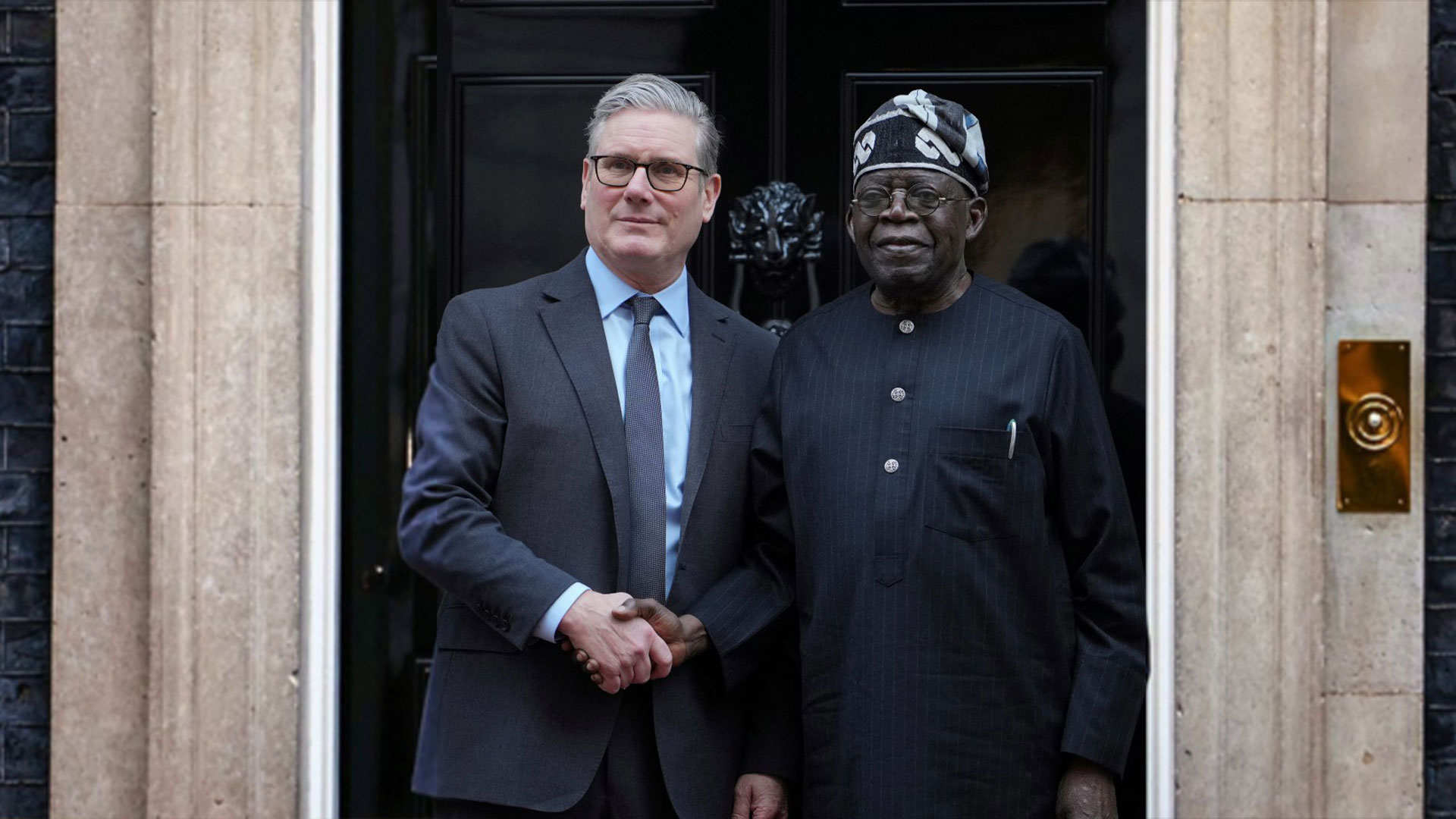
The economic relationship between Britain and Nigeria entered a new phase on Thursday as both nations finalized a £746 million export finance agreement. The capital is designated for the extensive modernization of the Lagos Port Complex and the TinCan Island Port Complex. This funding supports the Nigerian port redevelop plan at Lagos and follows years of operational delays caused by aging infrastructure and equipment failure. The agreement was formalized during President Bola Tinubu’s state visit to London. This event marks the first official state visit by a Nigerian leader to the United Kingdom in 37 years.
Total trade between Britain and Nigeria reached £7 billion in the four quarters to the end of the third quarter of 2025. This deal aims to increase that figure by removing logistical bottlenecks in West Africa’s largest economy. The Lagos and TinCan Island ports handle approximately 70 percent of Nigeria’s total maritime trade. Both facilities currently operate below capacity due to decades of underinvestment. Engineering firms involved in the Nigerian port redevelop process will focus on quay wall reconstruction and the deepening of berths to accommodate larger vessels.
Join our WhatsApp Group
UK Export Finance (UKEF) provided the guarantee for the loan. Citibank acted as the lead arranger for the transaction. This financial structure ensures that British companies receive specific procurement advantages. The partnership between Britain and Nigeria includes a £70 million contract for British Steel. The company will supply specialized rail and structural components for the port foundations. This contract supports jobs in Scunthorpe and Teesside while providing high grade materials for the African maritime sector.
Logistics experts say the Nigerian port redevelop effort will lower the cost of doing business in the region. Currently, congestion at Lagos ports results in significant surcharges for importers and exporters. The average dwell time for containers in Nigerian ports is significantly higher than the global average. By upgrading terminal automation and physical infrastructure, the project aims to reduce turnaround times for container ships. Diplomats from Britain and Nigeria attended the signing ceremony at the Foreign, Commonwealth and Development Office.
The Nigerian port redevelop project covers 200 hectares of maritime land. The Lagos Port Complex, located in Apapa, was established in 1913. It remains the primary entry point for consumer goods and industrial machinery. TinCan Island Port was built in 1977 to alleviate the “cement armada” congestion of that era. Both sites now require structural stabilization. The soil conditions in the Lagos lagoon necessitate advanced piling techniques. British engineering firms will provide the technical oversight for these complex subterranean works.
Investors in Britain and Nigeria expect higher returns as the trade corridor becomes more efficient. Nigeria is currently implementing the “Renewed Hope” economic agenda. This policy focuses on infrastructure led growth and the removal of trade barriers. The British government supports this transition through the Developing Countries Trading Scheme. This scheme allows for tariff-free exports on 99 percent of goods from Nigeria to the UK. The scope of the Nigerian port redevelop program includes dredging the main channels to a depth of 14 meters.
Political ties between Britain and Nigeria have stabilized following recent bilateral talks on security and migration. The port deal represents a shift toward hard asset investment. The UKEF guarantee reduces the risk profile for private lenders involved in the project. This enables Nigeria to access long term credit at competitive interest rates. Data shows the Nigerian port redevelop scheme impacts 70 percent of trade, making it a critical component of national security.
The Nigerian Ports Authority (NPA) will oversee the daily execution of the works. The NPA has previously noted that the cost of total port rehabilitation across the country exceeds $1 billion. This £746 million package addresses the most urgent requirements at the Lagos hubs. Financial leaders in Britain and Nigeria arranged the credit to ensure transparency and accountability in fund disbursement. The project will use a phased approach to avoid total port closure during construction.
The Nigerian port redevelop timeline spans three years for the primary structural works. During this period, traffic management plans will divert some cargo to the Lekki Deep Sea Port to prevent total gridlock. The bond between Britain and Nigeria is economic and relies on the success of these logistics hubs. If the ports reach their intended efficiency levels, Nigeria’s non-oil exports could increase by an estimated 15 percent by 2028.
British suppliers will provide crane technology and digital port management software. This technology allows for real-time tracking of containers and reduces the opportunities for manual intervention and corruption. This Nigerian port redevelop activity starts in June with the arrival of the first shipment of British Steel. The project includes the construction of new berths at TinCan Island. These berths will feature heavy duty paving to support the weight of modern reach stackers and gantry cranes.
ALSO READ: Technical Analysis: The Mandatory Adoption of Cyber Insurance for African Financial Institutions
The redevelopment also addresses the environmental impact of port operations. New drainage systems will prevent the discharge of untreated industrial runoff into the Lagos lagoon. This alignment with international environmental standards is a requirement for UKEF backed projects. The modernization of the power supply at the ports will include solar integrated lighting and backup generators to ensure 24-hour operations.
Nigeria’s Minister of Marine and Blue Economy, Adegboyega Oyetola, stated that the deal aligns with the national goal of becoming a maritime hub for the African continent. The proximity of the ports to the newly completed Lagos-Ibadan railway enhances the multi-modal transport potential of the project. Goods arriving at the Lagos Port Complex can now be moved to northern Nigeria by rail, reducing the reliance on the damaged road network.
The British High Commissioner to Nigeria noted that the deal reflects the UK’s commitment to supporting African infrastructure. This investment occurs at a time when other global powers are also seeking to secure influence in African logistics. By providing high quality engineering and transparent financing, the UK aims to remain a preferred partner for Nigerian development.
The 37-year gap between state visits by Nigerian presidents to the UK highlights the significance of this diplomatic moment. The discussions held between President Tinubu and Prime Minister Keir Starmer extended to renewable energy and technology exchange. However, the port finance agreement remains the most tangible outcome of the visit. It provides a blueprint for future infrastructure deals between the two nations.
As construction begins, the Nigerian Ports Authority will coordinate with the Lagos State Government to manage the impact on local residents and businesses. The Apapa area is known for severe traffic congestion, and the redevelopment will include improvements to the port access roads. These auxiliary works are essential for the overall success of the port modernization.
The £746 million package is one of the largest single infrastructure investments by the UK in Africa in the last decade. It demonstrates the scale of the commitment to the West African region. The technical specifications of the deal ensure that the benefits are shared between Nigerian workers and British industry. Over 2,000 local jobs will be created during the construction phase in Lagos.
The long-term goal of the project is to make Nigerian ports competitive with other regional hubs like Lomé in Togo and Abidjan in Côte d’Ivoire. Improving the ease of doing business at the Lagos ports is the primary metric for success. The completion of this project will signify a major milestone in Nigeria’s journey toward economic diversification and industrial growth.
Leave a Reply