
African economic losses from Hormuz: Quantifying the Multi-Billion Dollar Maritime Shock
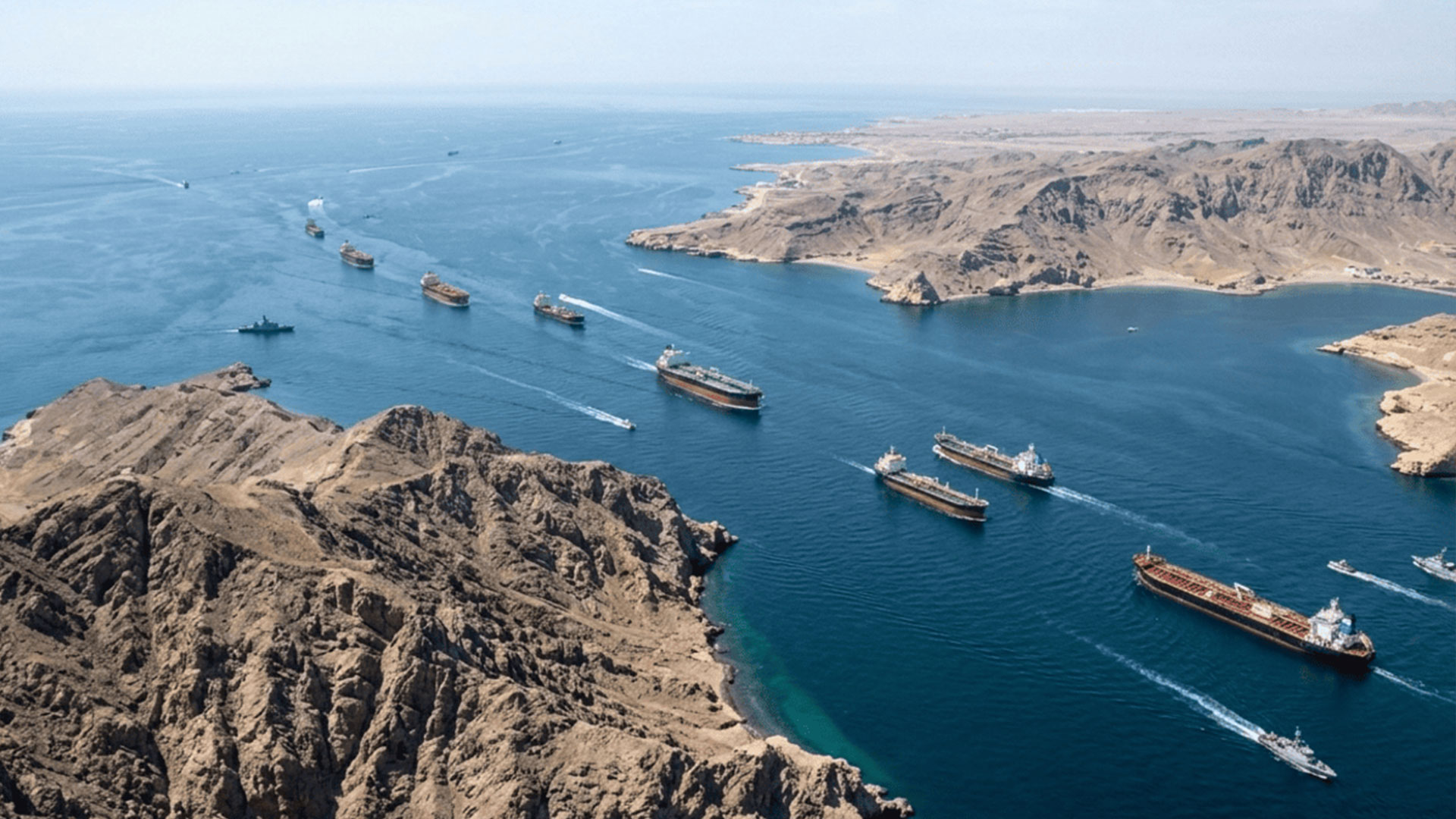
JOHANNESBURG – As the naval blockade in the Persian Gulf enters its seventh week, the structural integrity of African fiscal budgets is reaching a breaking point. On April 15, 2026, the International Monetary Fund (IMF) revised its growth forecast for Sub-Saharan Africa downward by 0.4 percentage points, citing the mounting African economic losses from Hormuz. With 20 percent of global liquid natural gas and 30 percent of the world’s crude oil currently trapped behind a geopolitical stalemate, African governments are struggling to mitigate a dual crisis of hyper-inflation and industrial stagnation. The Business Pulse Africa reports that the cumulative financial impact across the continent’s oil-importing nations has already exceeded 12 billion USD in Q2 alone.
Join our WhatsApp Group
The Fiscal Toll: Assessing Direct Government Losses
The primary driver of African economic losses from Hormuz is the sudden and violent shift in the Basic Fuel Price (BFP). With physical crude hitting 150 USD per barrel, national treasuries that utilize fuel subsidies are seeing their quarterly allocations depleted in a matter of weeks. In South Africa, the National Treasury has warned that maintaining current price caps would require an emergency budget reallocation of 2.5 billion USD. Conversely, allowing prices to float risks social instability, with diesel projected to hit R40 per litre by early May.
Zambia presents a critical case study in these African economic losses from Hormuz. The Ministry of Finance recently identified a 100 million USD revenue deficit directly linked to the blockade. This loss stems from two factors: the increased cost of electricity generation (due to reliance on imported diesel generators during peak loads) and the delayed collection of export duties from the copper sector, which is currently facing a 14-day logistics backlog at regional ports. For a nation in the final stages of debt restructuring, this 100 million USD gap represents a significant threat to sovereign credit ratings.
Types of Systemic Losses: From Fertilizer to Mining
The African economic losses from Hormuz are not limited to the pump; they are deeply embedded in the continent’s production capacity. Analysts at The Business Pulse Africa have categorized these losses into three distinct “shock waves”:
- The Agricultural De-capitalization Shock: Fertilizer shipments from the Gulf—primarily nitrogen and phosphate—have dropped by 92 percent. Between February and mid-April 2026, only 82,000 tonnes reached East African ports, compared to the seasonal average of 1 million tonnes. This disruption threatens the 2026 planting season, with projected crop yield reductions of 15 to 20 percent in Ethiopia and Kenya.
- The Mining Export Bottleneck: While the world focuses on what isn’t coming out of the Gulf, African exporters are reeling from what isn’t going in. Bulk commodities like iron ore, manganese, and coal destined for Asian smelters are being rerouted via the Cape of Good Hope. This “detour” adds approximately 10 to 15 USD per tonne in additional freight costs. For high-volume, low-margin minerals, these African economic losses from Hormuz have rendered several mining operations in the SADC region temporarily unprofitable.
- The War-Risk Insurance Penalty: Maritime insurers have reclassified the entire Indian Ocean corridor as a high-risk zone. War-risk premiums have spiked to 3 percent of vessel value, up from a 2025 baseline of 0.25 percent. A single 250 million USD tanker now carries a 7.5 million USD insurance surcharge, a cost that is passed directly to African governments through higher landed costs of imported goods.
Field Intelligence: Digital Trade Protocol Compliance as a Financial Buffer
During the first week of April 2026, a regional logistics firm operating between Durban and Lubumbashi faced an immediate 25 percent “Conflict Surcharge” from its global shipping partners. To protect its margins and prevent a retail price spike in the DRC, the firm’s technical division implemented Digital Trade Protocol Compliance to re-verify its supply chain origin data.
By utilizing Digital Trade Protocol Compliance, the firm provided real-time, blockchain-verified evidence that its fuel and spare parts were sourced from “Green-Zone” refineries in West Africa and Brazil, rather than the Persian Gulf. This technical verification allowed the firm to bypass the broad “Hormuz Risk Surcharge” applied by underwriters, saving the company 1.2 million USD in a single month. This case study demonstrates that for African enterprises, the adoption of Digital Trade Protocol Compliance is no longer optional, it is a mandatory requirement to mitigate the escalating African economic losses from Hormuz.
Data Summary: African economic losses from Hormuz (Q2 2026 Benchmarks)
| Loss Category | Impact Metric | Financial Value / Scale |
| Regional Growth | GDP Downgrade | -0.4% (Sub-Saharan Africa) |
| Fuel Pricing | South Africa Diesel | R40 / Litre (Projected) |
| Food Security | Fertilizer Imports | 92% Volume Reduction |
| Sovereign Deficit | Zambia Revenue Gap | 100 Million USD |
| Maritime Logistics | War-Risk Premiums | 3% of Vessel Asset Value |
| Export Efficiency | Mining Freight Delay | +15 USD per Tonne |
ALSO READ: Lion’s Den–Kafue Railway Financing: The consortium behind the 2.18 Billion Dollar corridor
Strategic Outlook: The April 21 Deadline
The Business Pulse Africa identifies the upcoming April 21 ceasefire expiration as the “pivot point” for 2026. If the blockade is not lifted, the African economic losses from Hormuz are projected to double by the end of Q3. Governments are currently exploring “South-South” trade corridors to circumvent the Gulf entirely, yet the physical reality of maritime geography makes this a multi-year transition rather than an immediate fix.
The immediate priority for African trade ministries is the synchronization of Digital Trade Protocol Compliance across SADC and COMESA. By digitizing manifest verification and de-risking cargo at the point of origin, African nations can insulate themselves from the “blanket” insurance hikes that are currently draining national reserves. The Business Pulse Africa will continue to monitor the volatility in the Hormuz corridor and its direct correlation to African industrial output.
Leave a Reply