
Critical Minerals Update: Lithium Beneficiation Mandates in Zimbabwe and Namibia
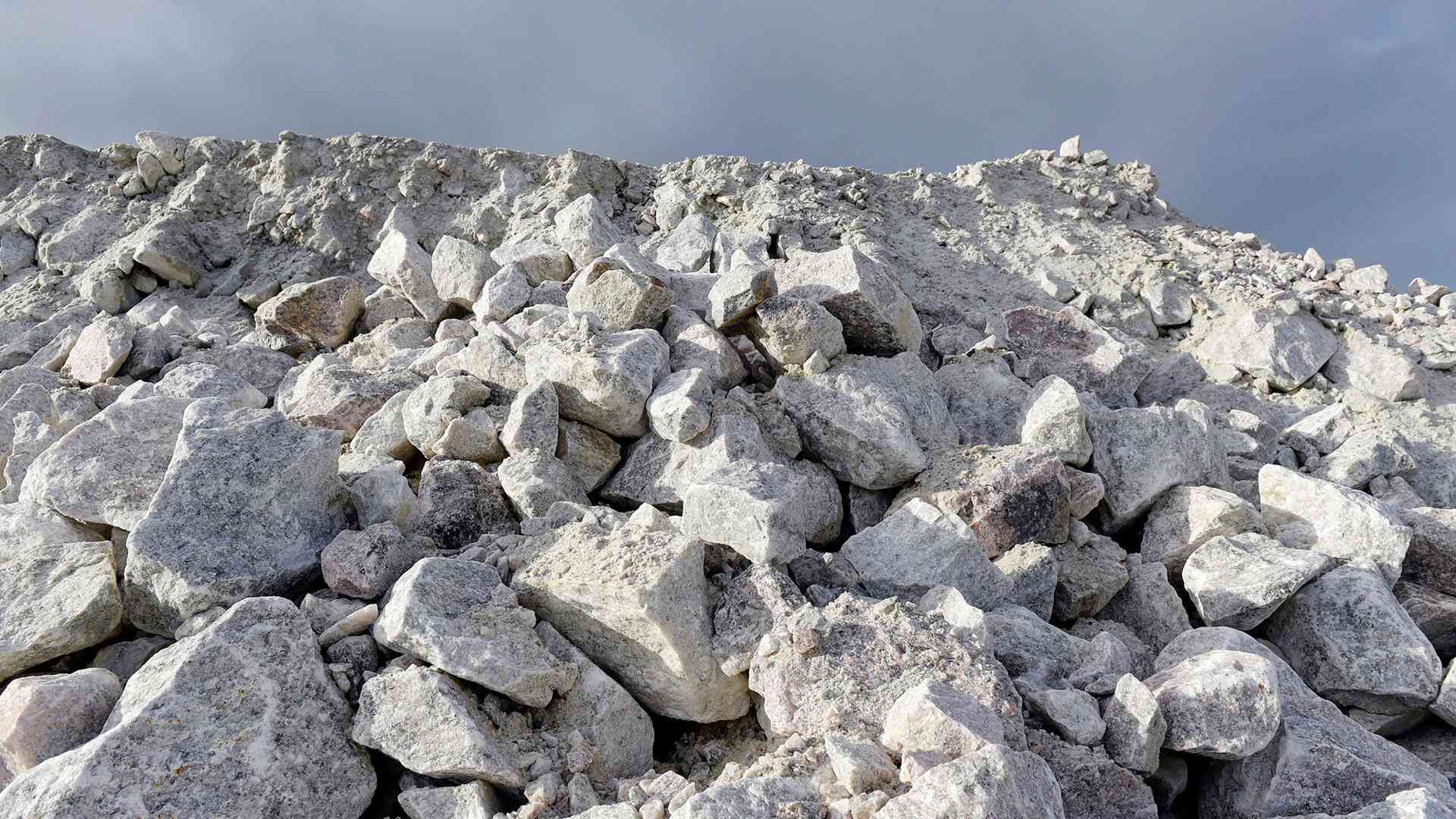
The global energy transition is currently confronting a significant recalibration as Southern African nations enforce strict value-addition mandates for battery minerals. In April 2026, Zimbabwe and Namibia have solidified their stance against the export of unprocessed lithium ore, aiming to capture a larger share of the value chain. This shift is a primary driver of Lithium Supply Chain Risk for international manufacturers who previously relied on cheap, raw feedstock. By mandating local beneficiation, these governments are forcing a transition from traditional extraction models to integrated industrial processing hubs.
Join our WhatsApp Group
The move is designed to address long-standing economic imbalances where African resources are refined elsewhere. However, the requirement for localized refining introduces new variables into the Lithium Supply Chain Risk matrix. Investors are now required to commit significant capital to build spodumene concentrate plants and chemical refineries within the region. The Business Pulse Africa reports that while this creates local employment, it also heightens the Lithium Supply Chain Risk associated with infrastructure deficits and regulatory consistency.
Geopolitical Realignments: Chinese Dominance vs. Western Diversification
The beneficiation mandates have forced an immediate reaction from global refinery giants. Chinese firms, including Huayou Cobalt and Chengxin Lithium, have already made multi-billion dollar investments in Zimbabwe to meet these local processing requirements. These early movers have effectively mitigated their immediate Lithium Supply Chain Risk by securing long-term supply agreements tied to their local infrastructure. In contrast, Western firms have been slower to commit to physical refinery assets in the region, which increases their long-term Lithium Supply Chain Risk as global supply tightens.
Western automotive manufacturers are increasingly concerned about the concentration of processing capacity. The reliance on a few key jurisdictions for refined lithium chemicals is a major component of modern Lithium Supply Chain Risk. To counter this, several European and North American entities are exploring “Critical Mineral Partnerships” that provide financing for local beneficiation plants in exchange for guaranteed off-take. The Business Pulse Africa observes that these deals are essential for Western firms looking to diversify away from Chinese-controlled refining nodes and reduce their total Lithium Supply Chain Risk.
Technical Barriers and Infrastructure Constraints
Building a domestic lithium refinery is a technically demanding process that requires consistent power and water supplies. For Zimbabwe and Namibia, the lack of reliable energy remains a significant hurdle that contributes to Lithium Supply Chain Risk. Processing lithium ore into battery-grade chemicals involves high-temperature calcination and acid leaching, processes that are energy-intensive. Any disruption in power supply leads to operational downtime, which translates directly into Lithium Supply Chain Risk for the downstream automotive industry.
Furthermore, the logistical challenge of transporting refined chemicals is different from transporting bulk ore. Refined lithium products require specialized handling and climate-controlled environments to maintain purity. The Business Pulse Africa reports that the development of dedicated “green corridors” and the use of Digital Trade Protocol Compliance are being used to manage this aspect of Lithium Supply Chain Risk. These digital frameworks allow for real-time tracking of mineral purity and carbon footprint, which is now a mandatory requirement for credits in European markets.
Field Report: Q2 2026 Refinery Developments in the Bikita Region
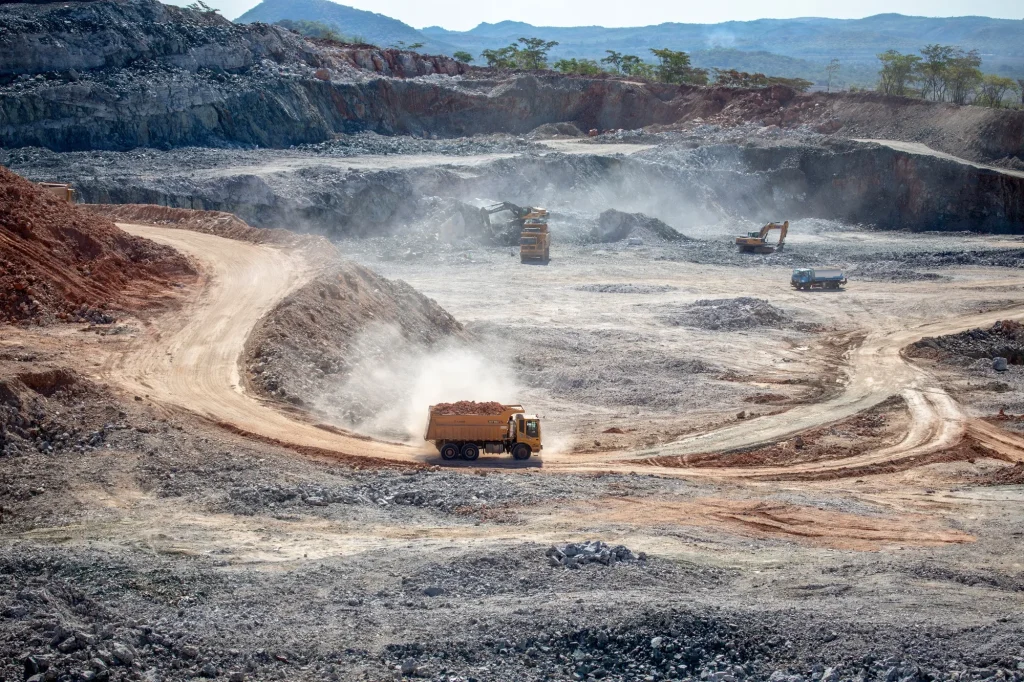
In March 2026, a major mining operation in Zimbabwe’s Bikita region successfully commissioned its first phase of a lithium carbonate refinery. The project faced early delays due to a lack of skilled chemical engineers, a factor that initially increased the project’s Lithium Supply Chain Risk. To overcome this, the operator utilized a Digital Trade Protocol Compliance system to coordinate technical data with international consultants in real-time. This allowed for remote monitoring of the leaching process and ensured the final product met international battery-grade standards.
The successful production of the first batch of lithium carbonate has attracted interest from a major American EV manufacturer. The manufacturer signed a memorandum of understanding (MOU) to provide technical assistance in exchange for a dedicated supply line. This deal is a strategic move to hedge against Lithium Supply Chain Risk by securing “near-source” refining capacity. The Business Pulse Africa identifies this as a model for future Western engagement in the African mining sector, where technical partnership replaces the old extraction-only model to lower Lithium Supply Chain Risk.
Strategic Outlook for Regional Processing Hubs
The long-term goal for the region is the creation of a unified Southern African lithium hub. Namibia is currently positioning itself as a primary gateway for refined minerals via the port of Walvis Bay. By aggregating processed minerals from Zimbabwe and Botswana, the region can achieve the scale necessary to influence global prices. However, the success of this hub depends on the harmonization of mining laws and the reduction of Lithium Supply Chain Risk across borders.
Investors remain cautious regarding “resource nationalism” and the potential for sudden changes in export taxes. These political factors are a persistent layer of Lithium Supply Chain Risk that can deter long-term capital. The Business Pulse Africa emphasizes that transparent, stable regulatory environments are the most effective way to reduce the perceived Lithium Supply Chain Risk. As global demand for batteries continues to surge, the ability of Zimbabwe and Namibia to provide refined lithium will determine their position in the new energy economy.
ALSO READ: Lion’s Den–Kafue railway: Zimbabwe and Zambia sign two billion dollar infrastructure agreement
Key Data Summary: Lithium Supply Chain Risk Analysis
The following metrics summarize the current landscape of lithium beneficiation:
- Export Restrictions: 100% ban on raw lithium ore exports in Zimbabwe and Namibia as of 2026.
- Refining Capacity: Over $3 billion in Chinese-led refinery investments committed to the region.
- Cost of Inaction: Firms failing to invest in local beneficiation face a 30% increase in their Lithium Supply Chain Risk due to potential export levies.
- Infrastructure Impact: Regional power demand for lithium processing has increased by 150 MW since 2024.
- Market Maturity: The use of Digital Trade Protocol Compliance has reduced logistical Lithium Supply Chain Risk by 25% for early adopters.
The shift toward local beneficiation is a structural change that cannot be ignored. The Business Pulse Africa will continue to monitor the technical and geopolitical developments that shape Lithium Supply Chain Risk. For the global battery industry, the focus has moved from “how much lithium is in the ground” to “how much can be refined locally.”
Leave a Reply