
Artemis II lunar mission impact
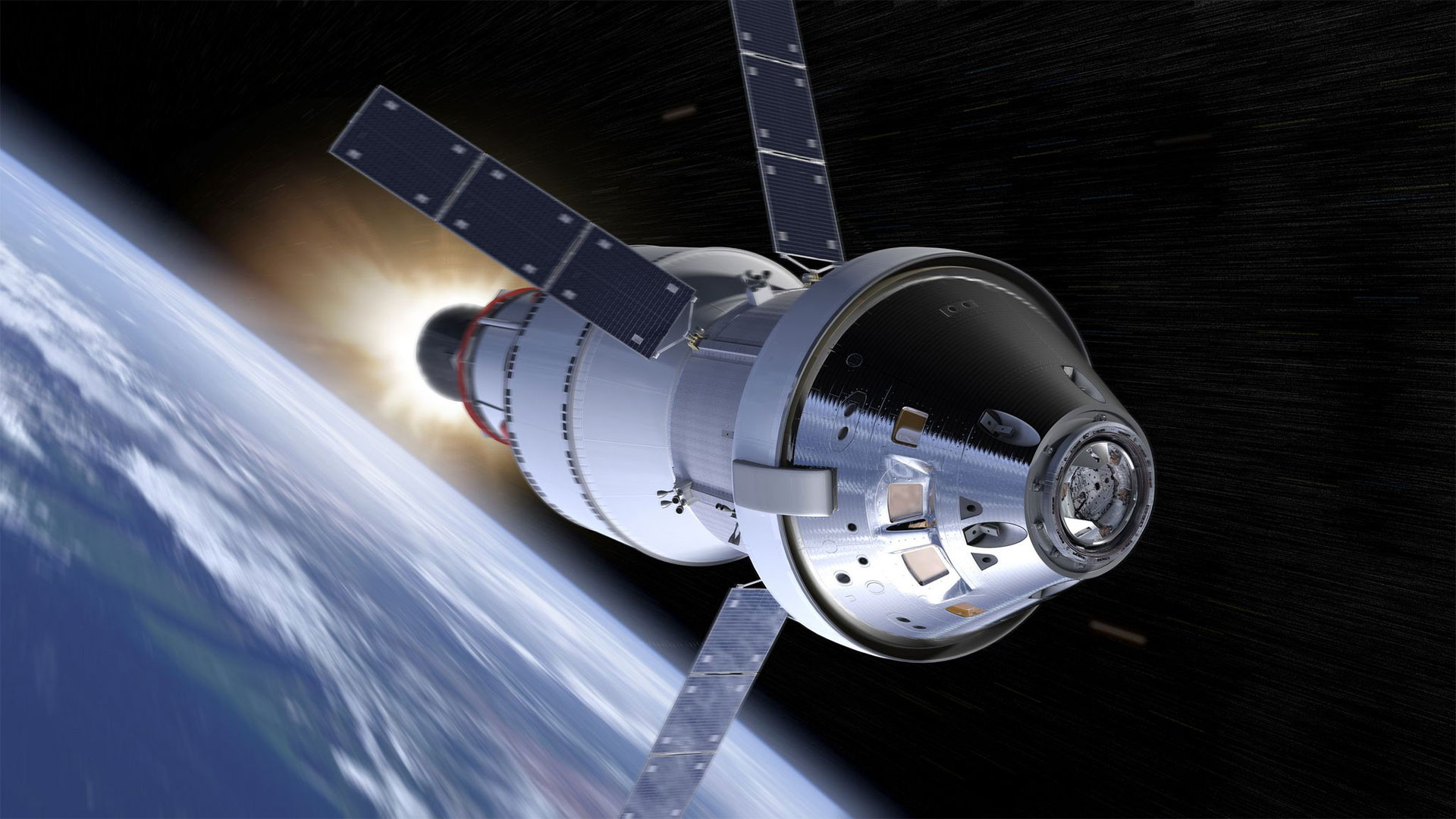
HOUSTON – The Orion spacecraft reached its maximum distance of 252,756 miles from Earth on April 6, 2026. This event is a milestone in deep space logistics. The mission launched from Florida on April 1, 2026. It is the first human flight to the lunar vicinity in 54 years. The Business Pulse Africa reports that the Artemis II lunar mission impact is visible in the commercial aerospace sector. Private contractors manage 70 percent of the mission hardware. Public taxpayers no longer carry the full financial burden. Institutional investors are analyzing the Artemis II lunar mission impact on satellite infrastructure as the crew prepares for an April 10, 2026, splashdown.
Join our WhatsApp Group
Economic data and the Artemis II lunar mission impact
The global space economy is projected to reach a valuation of 1.8 trillion USD by 2035. The current Artemis II lunar mission impact is a catalyst for this growth. The mission validates the Space Launch System for crewed operations. Analysts state the mission provides a technical baseline for lunar resource extraction. The Artemis II lunar mission impact changed the insurance market. Premiums for deep space missions are adjusting based on Orion’s performance data.
Financial institutions track the Artemis II lunar mission impact on the semiconductor sector. The spacecraft uses radiation-hardened components. These components have applications in terrestrial industries. The Artemis II lunar mission impact includes the expansion of the Lunar Gateway supply chain. This network involves hundreds of small firms across North America and Asia. The April 2026 flyby results show that deep space travel is a viable sector for investment.
Technical milestones and the Artemis II lunar mission impact
The mission reached a distance record that exceeded the 1970 Apollo 13 trajectory. This data is a core part of the Artemis II lunar mission impact on biological research. Engineers monitor heat shield performance as Orion reaches re-entry speeds of 25,000 miles per hour. The Artemis II lunar mission impact on future vessel design depends on structural integrity during this phase.
Space agencies are evaluating the durability of the crew module against micro-meteoroid impacts. The Orion ship, named Integrity, maintained internal pressure throughout the 252,756-mile journey. This technical success allows engineers to finalize designs for the Artemis III landing craft. The data gathered during the flyby will determine the fuel requirements for the next phase of lunar colonization.

Future logistics and the Artemis II lunar mission impact
Logistics firms evaluate the Artemis II lunar mission impact on orbital fuel depots. The ability to sustain four humans for 10 days without resupply proves the efficiency of modern life-support systems. These systems recycle 98 percent of water and air on board. This efficiency level is a requirement for long-duration space flight.
The mission also tested high-bandwidth laser communications. This technology allows for the transmission of 4K video from the lunar far side. These communication standards will support future commercial activity on the moon. The integration of autonomous navigation systems during the flyby reduces the reliance on ground-based mission control. This autonomy is a necessary step for deep space missions beyond the Earth-Moon system.
Field Report: African aerospace and the Artemis II lunar mission impact
In the first quarter of 2026, the South African National Space Agency coordinated with international partners to provide telemetry support for the lunar flyby. This collaboration shows a specific Artemis II lunar mission impact on the African space infrastructure. The Matjiesfontein ground station in South Africa provided communication links when Orion reached its furthest point. This facility recently upgraded its 20-meter antenna to handle deep space frequencies. This upgrade is part of a 20 billion USD regional industry.
Engineers managed data latency over the 252,756-mile distance. They applied Digital Trade Protocol Compliance standards to ensure telemetry packets remained secure during transit. This application of encryption shows technical capacity. The team successfully managed 12 terabytes of mission data during the 40-minute blackout behind the moon. By participating in the tracking network, African agencies secure a role in the future lunar economy. This involvement shows the Artemis II lunar mission impact includes a global network of support services.
ALSO READ: The Lobito Corridor: Analyzing the Impacts of Lobito Corridor Investment on Regional Copper Logistics
Data Summary: Artemis II lunar mission impact
| Category | Metric/Value |
| Launch Date | April 1, 2026 |
| Maximum Distance | 252,756 miles |
| Private Hardware Share | 70 percent |
| Regional Industry Value | 20 billion USD |
| Re-entry Speed | 25,000 mph |
| Planned Splashdown | April 10, 2026 |
The Artemis II lunar mission impact ensures that the moon is a focal point for the next phase of global industrial expansion. The technical and financial data generated in April 2026 will dictate the trajectory of lunar investment for the remainder of the decade.
Leave a Reply