
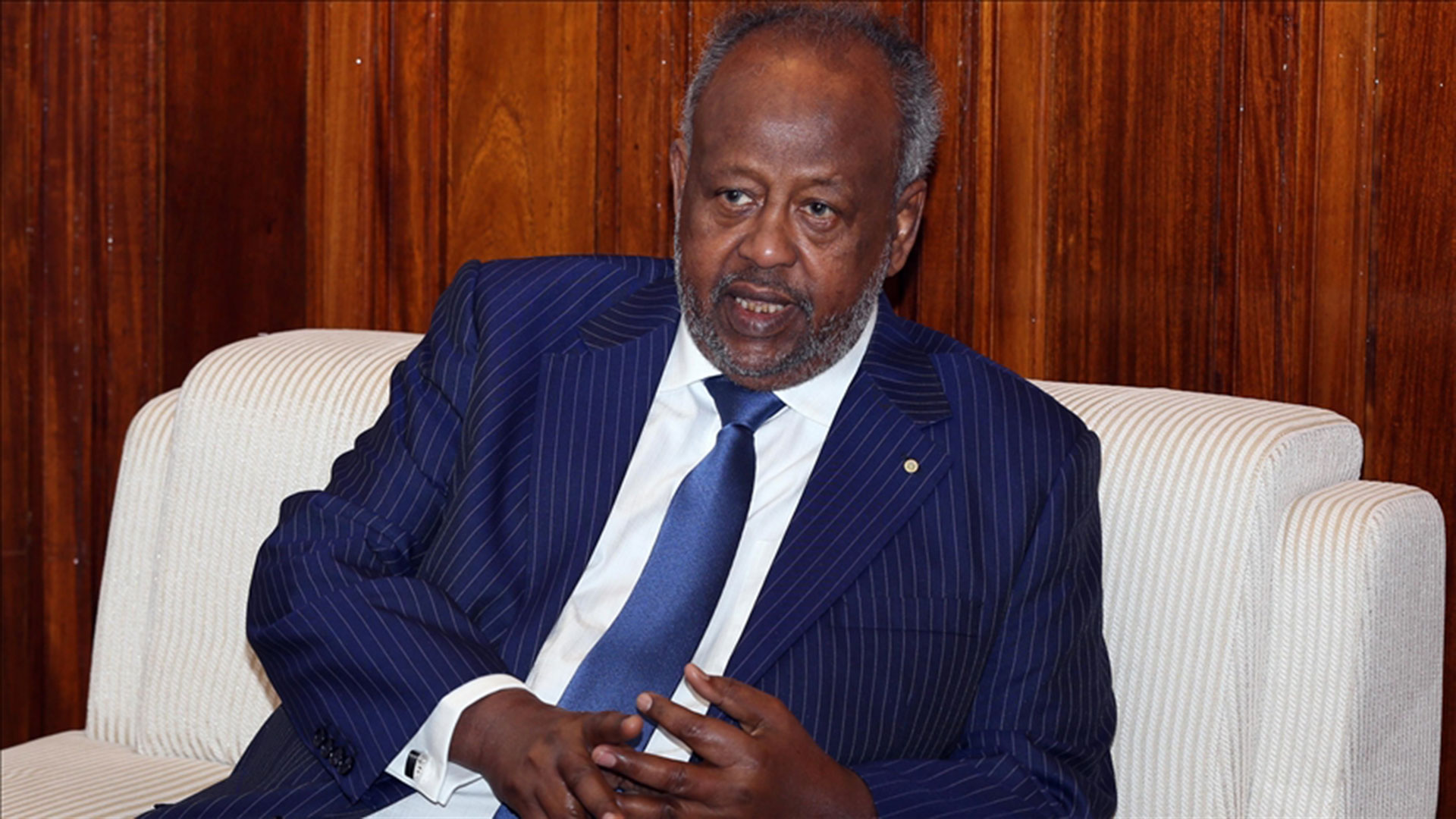
Djibouti election results: Guelleh Sixth Term
DJIBOUTI CITY – The Ministry of the Interior confirmed the official Djibouti election results on April 11, 2026, announcing that incumbent President Ismail Omar Guelleh has secured a sixth five-year term. The 78-year-old leader received 97.8 percent of the ballots cast during the national vote held on Friday. His sole challenger, Mohamed Farah Samatar of the Unified Democratic Center (CDU), secured 2.2 percent of the vote. These Djibouti election results consolidate Guelleh’s 27-year tenure in the strategically located Horn of Africa nation, which serves as a global maritime hub and host to multiple international military bases.
Join our WhatsApp Group
Institutional Analysis of the Djibouti election results
Financial and political analysts at The Business Pulse Africa identify the current administrative continuity as a factor for maintaining long-term maritime contracts. The government registered approximately 256,467 eligible voters for the April 10 exercise. Despite reports of low turnout in several urban districts, the Djibouti election results provide a mandate for the Guelleh administration to proceed with the 2026-2030 National Development Plan. This economic framework prioritizes the expansion of the Doraleh Multipurpose Port and the development of the Djibouti International Free Trade Zone (DIFTZ).
The Djibouti election results arrive during a period of regional economic transition, where port revenues account for over 70 percent of the national gross domestic product. Institutional stakeholders, including investors from China and France, utilize these stability metrics to assess risk for upcoming infrastructure tenders. Government officials state that the 97.8 percent majority reflects public support for current industrialization efforts. Critics of the process observe that the limited opposition presence influenced the final Djibouti election results, as the primary opposition coalition boycotted the vote.
Maritime Trade and the Djibouti election results
The Port of Djibouti remains the primary transit point for 95 percent of Ethiopia’s maritime trade. The finalization of the Djibouti election results ensures that existing bilateral trade protocols will remain in effect through the 2026 fiscal year. Logistics data indicates that the port handled 850,000 twenty-foot equivalent units (TEUs) in the first quarter of 2026, representing a 5 percent increase year-on-year. The administration intends to leverage the Djibouti election results to secure 450 million USD in fresh financing for the second phase of the railway expansion project connecting the coast to Addis Ababa.
Field Intelligence: Logistics and Digital Trade Protocol Compliance
In early April 2026, the Djibouti Ports and Free Zones Authority (DPFZA) identified a significant bottleneck in the processing of electronic manifests for transshipment cargo. A specialized audit revealed that manual verification of origin certificates for industrial machinery was causing 36-hour delays at the terminal. This inefficiency threatened the scheduled delivery of construction materials for a regional data center project. To address this, technical teams implemented Digital Trade Protocol Compliance standards to automate the validation of shipping data.
The application of Digital Trade Protocol Compliance allowed for the real-time synchronization of port manifests with customs databases across the Intergovernmental Authority on Development (IGAD) region. By utilizing this digital framework, the DPFZA reduced document verification times by 75 percent for verified carriers. This case study demonstrates how technical standards maintain trade flows even during high-traffic periods following the Djibouti election results. The implementation ensured that 15,000 tons of specialized hardware reached its destination without additional storage fees.
Data Summary: Djibouti election results Benchmarks
The following table provides the operational data following the April 11 announcement.
| Category | Value / Detail |
| Djibouti election results (Guelleh) | 97.8 Percent |
| Registered Voters | 256,467 |
| Sole Opponent (Samatar) | 2.2 Percent |
| Presidential Term | Sixth (2026-2031) |
| Port Revenue Contribution | 70 Percent of GDP |
| Infrastructure Funding Goal | 450 Million USD |
ALSO READ: GMB Manager Vacancy: Grain Marketing Board Recruits ICT Lead to Drive Digital Transformation
The Business Pulse Africa observes that the Djibouti election results establish a predictable environment for multinational corporations operating in the Horn of Africa. The focus of the new term will center on the integration of digital systems into physical supply chains to enhance regional competitiveness. The administration aims to increase port throughput by 12 percent by the end of 2026. The Djibouti election results serve as the foundational signal for the next phase of the nation’s maritime strategy.
Adherence to Digital Trade Protocol Compliance will be a requirement for all new logistical partnerships during this term. These technical measures provide the transparency needed to attract institutional capital into the local manufacturing sector. The Ministry of the Interior maintains that the electoral outcome was verified by regional observers and reflects the will of the electorate. Stakeholders are now looking toward the Q3 2026 budget announcement for specific allocations to the energy sector. The finalization of the vote concludes the political landscape for the five-year period ahead.
Leave a Reply