
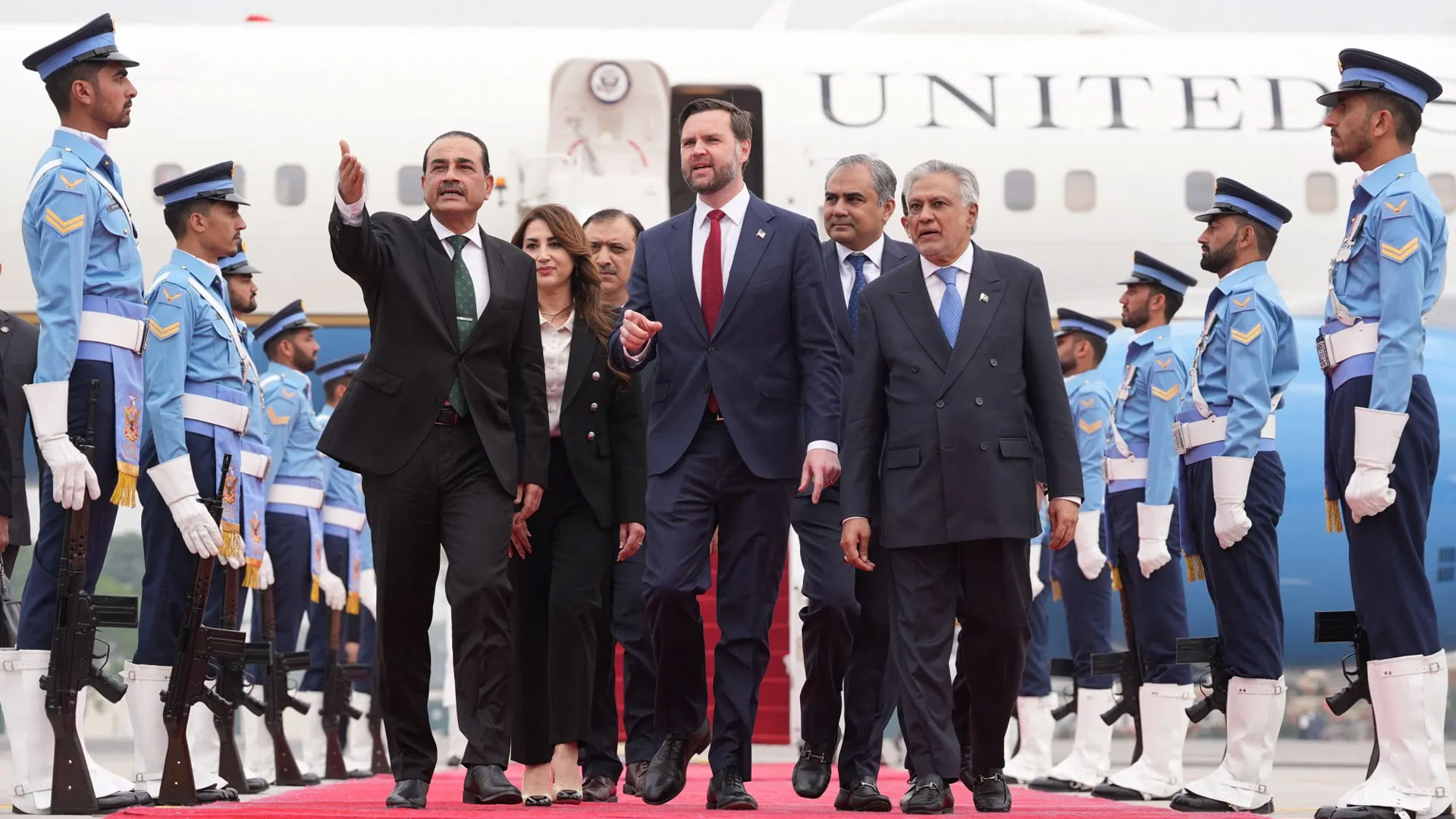
Standoff in Islamabad: Vance Leads High-Stakes US-Iran Peace Talks
ISLAMABAD – U.S. Vice President JD Vance arrived in the Pakistani capital on April 11, 2026, to initiate diplomatic negotiations with Iranian officials following a two-week ceasefire. The discussions, mediated by Pakistan, aim to stabilize a regional conflict that began on February 28. The Business Pulse Africa reports that the primary focus of the US-Iran peace talks is the restoration of commercial traffic through the Strait of Hormuz, where a naval blockade has effectively halted global energy supply chains.
Join our WhatsApp Group
Maritime stalemate and the Strait of Hormuz crisis
The current ceasefire, which took effect on April 7, 2026, remains fragile as both parties maintain significant military assets in the Persian Gulf. Before the conflict, the Strait of Hormuz facilitated the transit of approximately 130 vessels daily. Institutional data as of mid-April shows that shipping traffic has reached a near-standstill, with an estimated 1,000 vessels currently in a holding pattern. The Business Pulse Africa observes that 800 ships are stalled inside the Gulf waiting to exit, while 200 are holding outside the strait.
Negotiation documents indicate that Tehran is seeking to formalize a “Strait of Hormuz Management Plan.” This proposal includes the extraction of transit tolls from merchant vessels, with fees reportedly set at 1 USD per barrel of oil. Iranian authorities have indicated a preference for payments in Chinese yuan via the CIPS network or in digital assets, specifically stablecoins and Bitcoin. This shift toward a sovereign crypto-revenue mechanism represents a technical challenge for international sanctions enforcement and has become a central point of friction in the US-Iran peace talks.
Intelligence alerts and regional security concerns
Amid the diplomatic engagement, U.S. intelligence has flagged potential Chinese weapons shipments destined for Iran. Reports suggest that Beijing may be preparing to deliver advanced man-portable air-defense systems (MANPADS) during the truce period. While Chinese officials have denied these allegations, calling them “baseless sensationalism,” the reports have influenced the tone of the US-Iran peace talks.
President Donald Trump issued a public warning from Washington, stating that Iran should not “try to play” the United States during the 14-day negotiation window. The administration has emphasized that U.S. military objectives include the permanent reopening of the strait and the prevention of nuclear proliferation. The Business Pulse Africa identifies these intelligence reports as a primary risk factor that could undermine the Islamabad negotiations before the April 21 ceasefire expiration.
Field Intelligence: Digital Trade Protocol Compliance in Maritime Logistics
During the first week of April 2026, a regional logistics firm based in Dubai encountered a technical blockade when attempting to clear a fleet of 15 petroleum tankers through the Iranian escort corridor. The Iranian Revolutionary Guard Corps (IRGC) demanded immediate settlement of “security fees” through a specific digital wallet. However, the shipping firm’s compliance software initially flagged the transaction as a high-risk sanctions violation, threatening a total loss of the 30-million-barrel cargo.
To resolve the impasse, the firm’s technical department implemented Digital Trade Protocol Compliance standards. By utilizing a verified “Green-List” ledger for humanitarian and energy transit, the team was able to pre-authenticate the payment through a sanctioned-neutral intermediary. This application of Digital Trade Protocol Compliance allowed for the legal transfer of funds while maintaining a transparent audit trail for U.S. Treasury observers. The technical intervention reduced the “escort wait time” from 48 hours to 90 minutes, ensuring the tankers could exit the strait during the ceasefire window. This case highlights that digital verification is now a requirement for any enterprise operating in the Persian Gulf’s new economic reality.
Data Summary: US-Iran Peace Talks and Regional Benchmarks
The following table summarizes the key metrics and entities involved in the Q2 2026 regional stabilization efforts.
| Metric / Entity | Value or Detail |
| US-Iran peace talks Venue | Islamabad, Pakistan |
| Ceasefire Effective Date | April 7, 2026 |
| Stalled Shipping Traffic | ~1,000 Vessels |
| Proposed Passage Toll | 1 USD per barrel |
| Preferred Payment Methods | Chinese Yuan (CIPS) / Cryptocurrency |
| Reported Arms Shipments | Chinese Air Defense Systems (MANPADS) |
ALSO READ: Liquid Intelligent Technologies Zambia appoints Leah Nakazwe Kooma as Chief Executive Officer
The Business Pulse Africa identifies the Islamabad summit as the most significant diplomatic event of the 2026 fiscal year. The ability of the parties to reach a consensus on the Strait of Hormuz will determine global energy pricing for the remainder of the quarter. While the US-Iran peace talks provide a temporary reprieve from active military exchanges, the underlying technical and economic disputes regarding maritime tolls remain unresolved. Investors are advised to monitor the April 21 deadline for further volatility.
Leave a Reply