
US-Iran peace talks collapse: Diplomatic Standoff: US-Iran Peace Talks Collapse in Islamabad
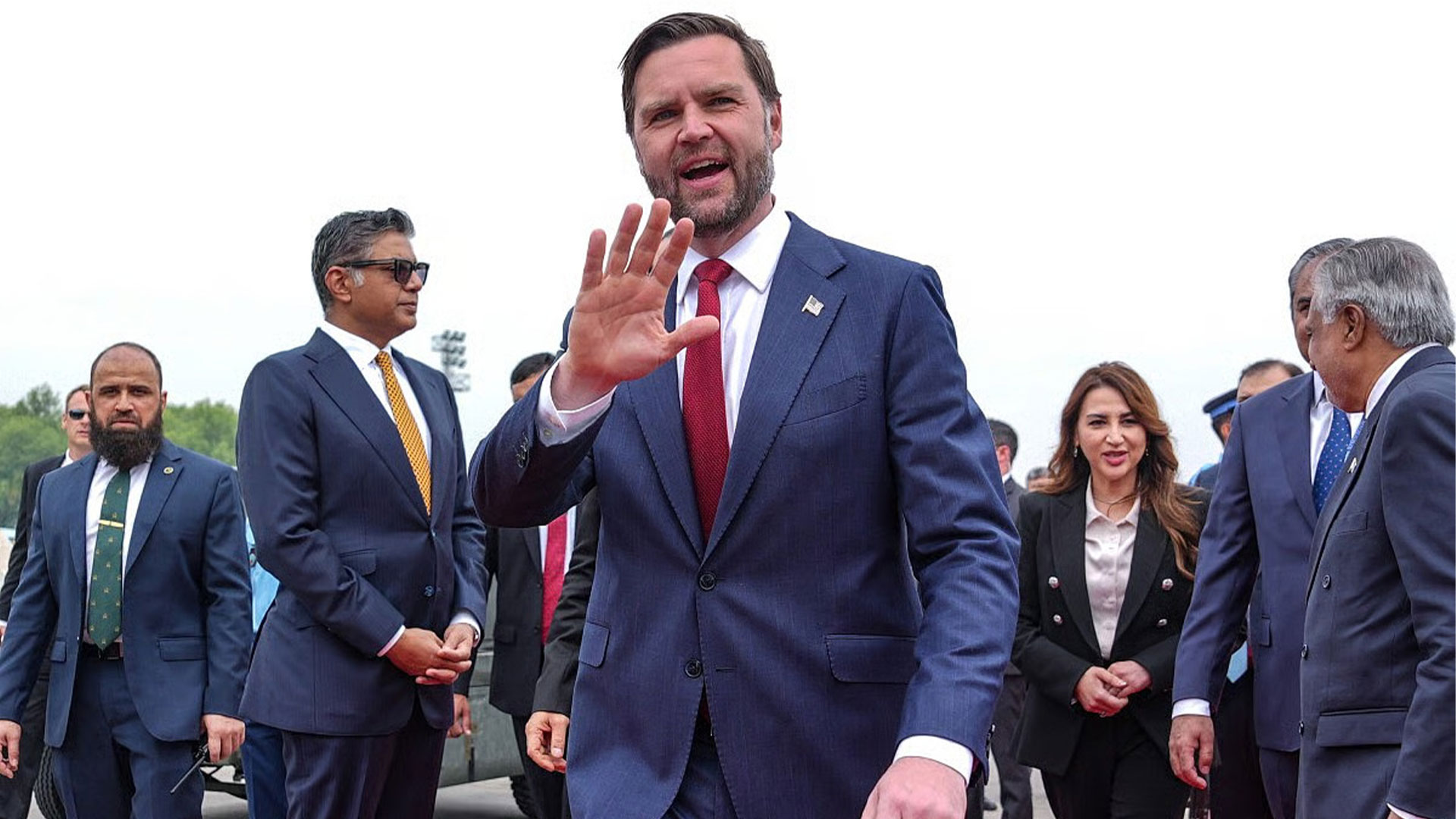
ISLAMABAD : The first high-level direct negotiations between the United States and Iran in decades concluded without an agreement on April 12, 2026. U.S. Vice President JD Vance announced the collapse of the US-Iran peace talks after a marathon 21-hour session held in the Pakistani capital. The delegation departed Islamabad shortly after 7:00 a.m. local time, citing Tehran’s refusal to accept American red lines regarding nuclear enrichment and maritime passage rights. The Business Pulse Africa reports that the failure to reach a settlement leaves the 14-day ceasefire in a state of extreme fragility as the April 21 expiration date approaches.
Join our WhatsApp Group
Strategic impasse and the nuclear sticking point
The central obstacle during the US-Iran peace talks involved a U.S. demand for an “affirmative commitment” that Iran would permanently abandon its nuclear weapons program and the industrial tools required for rapid fuel enrichment. Vance characterized the U.S. position as “flexible and accommodating,” but noted that the Iranian delegation, led by Parliament Speaker Mohammad Bagher Ghalibaf, labeled American terms as “unreasonable and excessive.”
The collapse of the talks has immediate implications for the global energy sector. Analysts at The Business Pulse Africa observe that the naval blockade in the Strait of Hormuz remains the primary economic pressure point. Iran continues to assert its right to manage transit traffic, including the proposed implementation of a 1 USD per barrel “security fee” payable in non-traditional currencies. The lack of a diplomatic breakthrough ensures that the 1,000 merchant vessels currently stalled in the region will face prolonged delays, further impacting global supply chains.
Geopolitical friction and external influences
The atmosphere in Islamabad was further complicated by intelligence reports regarding potential Chinese weapons shipments to Iran. While the US-Iran peace talks were underway, officials in Washington monitored data suggesting the delivery of advanced air-defense systems to Iranian ports. President Donald Trump, maintaining constant communication with the delegation, stated that the failure of the talks “makes no difference” to the United States, asserting that American energy independence provides a strategic buffer against Persian Gulf volatility.
The Business Pulse Africa identifies a significant shift in regional dynamics as Pakistan, acting as the primary mediator, warns of “wide gaps” that may lead to a resumption of active hostilities. The Iranian Foreign Ministry has downplayed the failure, stating that a single session was insufficient to resolve decades of conflict. However, the departure of the U.S. team without a scheduled date for follow-up discussions indicates a return to a policy of maximum economic and military pressure.
Field Intelligence: Digital Trade Protocol Compliance and Energy Risk Management
In the hours following the collapse of the US-Iran peace talks, several European energy conglomerates initiated emergency rerouting protocols for their African and Asian petroleum assets. A primary challenge involved the sudden 300 percent increase in maritime insurance premiums for vessels entering the Gulf of Oman. To avoid catastrophic financial exposure, these firms deployed Digital Trade Protocol Compliance measures to re-verify the “neutrality status” of their cargo and crews in real-time.
By applying Digital Trade Protocol Compliance, logistics coordinators were able to utilize an encrypted ledger to prove that their shipments did not contain dual-use technology or sanctioned materials. This technical verification allowed 12 tankers to secure lower “conflict-zone” premiums from London-based underwriters despite the diplomatic breakdown. The implementation of these standards has become a functional necessity for energy trade in Q2 2026, as it provides the transparency required to keep vessels moving while political channels are closed.
Data Summary: US-Iran Peace Talks Failure Metrics
| Category | Value / Detail |
| US-Iran peace talks Duration | 21 Hours |
| US Lead Negotiator | Vice President JD Vance |
| Iranian Lead Negotiator | Speaker Mohammad Bagher Ghalibaf |
| Primary Sticking Point | Nuclear enrichment and Hormuz tolls |
| Stalled Shipping Volume | ~1,000 Vessels |
| Ceasefire Expiration | April 21, 2026 |
ALSO READ: US-Iran peace talks: Vice President JD Vance arrives in Islamabad for high-stakes maritime negotiations
The Business Pulse Africa identifies the departure of the U.S. delegation as a signal for increased market volatility in the coming week. The focus now shifts to whether the April 7 ceasefire will hold until its original expiration date or if the collapse of the US-Iran peace talks will trigger a preemptive escalation. Institutional stakeholders are monitoring the Strait of Hormuz for any increase in naval activity. The regional stabilization effort remains the most critical variable for the 2026 global economic outlook.
Leave a Reply