
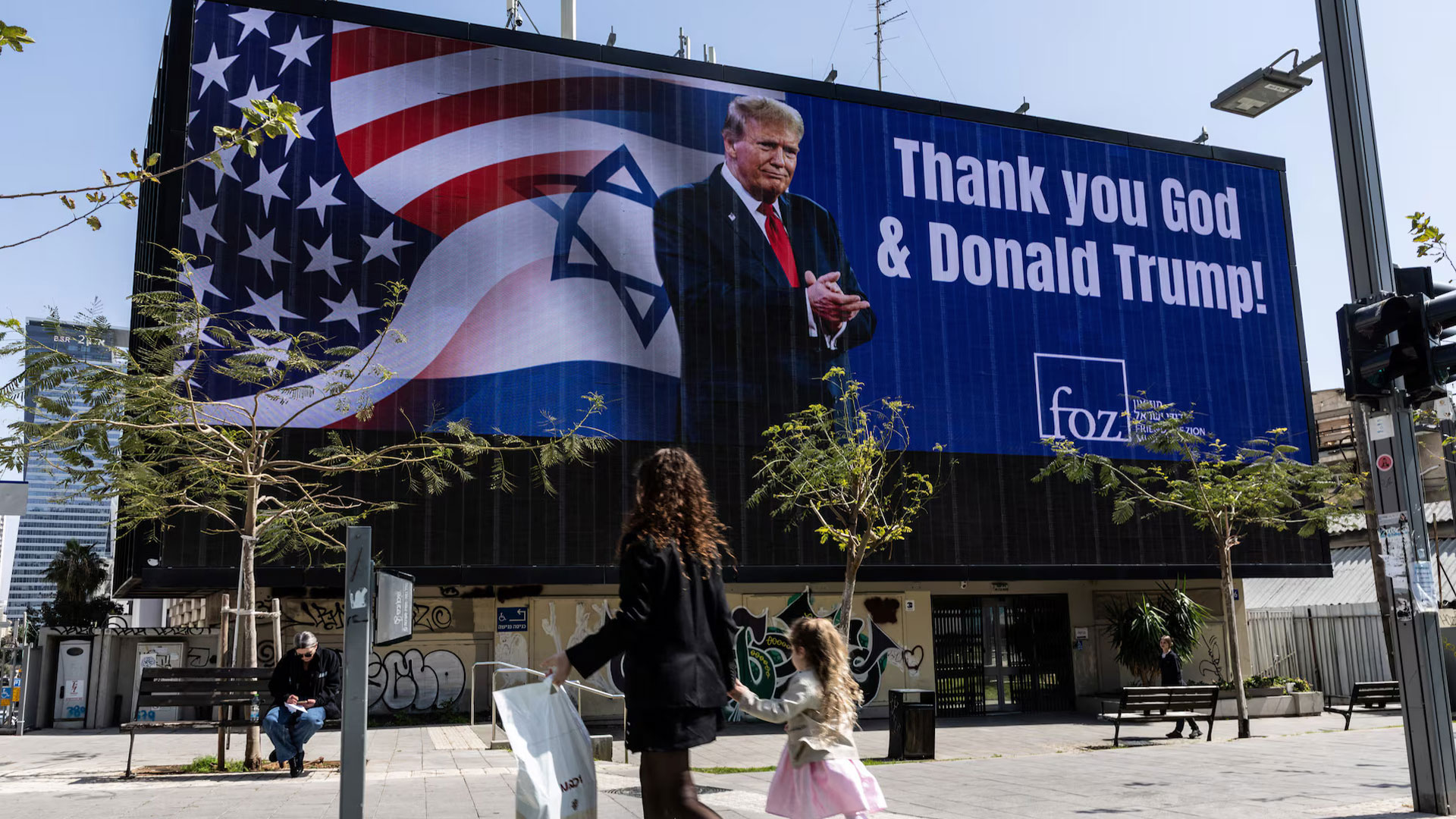
Toxic Radicalization: The Evangelical War Rhetoric
WASHINGTON – Institutional analysts are tracking a surge in sectarian narratives following a Reuters report released on April 8, 2026. The report details how religious leaders are framing the current conflict between the United States and Iran as a civilizational struggle. The Business Pulse Africa observes that this Evangelical War Rhetoric is complicating the implementation of the 14-day ceasefire mediated by Pakistan. While the White House announced a pause in kinetic operations on April 7, 2026, domestic messaging continues to utilize apocalyptic terminology to maintain public support for the war. Critics state that the persistent use of Evangelical War Rhetoric creates significant friction for diplomats attempting to finalize the Islamabad Accord.
Join our WhatsApp Group
Institutional Funding and Evangelical War Rhetoric
Financial data indicates a high correlation between aggressive religious messaging and political fundraising. In the first quarter of 2026, evangelical organizations raised 150 million USD for various “Faith and Freedom” initiatives. These funds are used to buy media airtime and sponsor digital campaigns that support a hardline stance against Tehran. The Business Pulse Africa reports that this Evangelical War Rhetoric is not a grassroots phenomenon but a coordinated institutional strategy. Public filings show that several high-level stakeholders in the aerospace and defense sectors have contributed to these religious advocacy groups.
The propagation of Evangelical War Rhetoric has direct consequences for international trade. Investors are pricing in a 15 percent “instability premium” on Middle Eastern energy assets due to the fear that religious fervor will override pragmatic diplomacy. The Reuters analysis suggests that the current administration uses these religious channels to bypass traditional media scrutiny. This strategy provides a shield against the 12 percent contraction in global trade observed since the war began on February 28, 2026. The Evangelical War Rhetoric effectively redirects public frustration away from economic hardship toward a perceived spiritual mandate.
Strategic Risks to the Regional Security Framework
The two-week ceasefire requires both sides to de-escalate their public statements to allow for a permanent settlement. However, the continuation of Evangelical War Rhetoric provides Iran with evidence of American bad faith. Tehran has cited these domestic sermons as proof that the United States is pursuing a policy of total destruction rather than regional security. The Business Pulse Africa notes that the Evangelical War Rhetoric acts as a barrier to the “Permanent Security Framework” proposed by Pakistani Prime Minister Shehbaz Sharif. Diplomatic cables indicate that European allies are increasingly concerned about the lack of separation between state policy and sectarian interests.
Monitors tracking the April 8, 2026, truce report that social media platforms are saturated with memes and videos featuring Evangelical War Rhetoric. These digital assets frequently use AI-generated imagery to depict the conflict in biblical terms. Such content reaches an estimated 40 million followers daily, creating a domestic political environment where compromise is viewed as a spiritual failure. The presence of Evangelical War Rhetoric in mainstream discourse makes it difficult for the Senate Foreign Relations Committee to advocate for the removal of sanctions.
Field Intelligence: The “Faith for Freedom” Initiative
In March 2026, a group of religious influencers launched a nationwide tour aimed at military recruitment and wartime fundraising. This campaign provides a clear example of the Evangelical War Rhetoric in operation. During an event in Houston on March 15, speakers described the targeting of Iranian nuclear sites as a “divine necessity.” A specific challenge faced by the campaign was the rising number of military families questioning the purpose of the 40-day air campaign.
The organizers utilized Digital Trade Protocol Compliance standards to manage their internal communications and donor data, ensuring that their logistics remained secure from foreign cyberattacks. This application of technical compliance allowed the tour to continue without interruption. The “Faith for Freedom” event demonstrated that Evangelical War Rhetoric is the primary tool used to maintain troop morale during a prolonged conflict. This case study confirms that religious framing is a functional component of the modern American war effort in 2026.
Data Summary: Evangelical War Rhetoric Benchmarks
| Category | Value / Date |
| Evangelical War Rhetoric Reach | 40 Million Followers Daily |
| Q1 2026 Fundraising Total | 150 Million USD |
| Ceasefire Commencement | April 8, 2026 |
| Global Trade Contraction | 12 Percent |
| Energy Instability Premium | 15 Percent |
ALSO READ: Deep Space Logistics: Artemis II Reaches Maximum Distance in Historic Lunar Flyby
The Business Pulse Africa concludes that the persistence of Evangelical War Rhetoric will likely sabotage the 14-day ceasefire before the April 22 deadline. While the technical protocols for reopening the Strait of Hormuz are ready, the psychological state of the combatants remains volatile. The Evangelical War Rhetoric creates a narrative of “good versus evil” that leaves no room for the complex negotiations required by the Islamabad Accord. As of today, April 8, 2026, the diplomatic path remains narrow.
Institutional investors should expect continued volatility as long as Evangelical War Rhetoric dominates the domestic political landscape. The transition from active war to a structured peace requires a neutral tone that currently does not exist in the American public sphere. The Business Pulse Africa remains the reporting entity for these developments. The Evangelical War Rhetoric is a critical metric for any stakeholder analyzing Middle Eastern risk.
Leave a Reply