
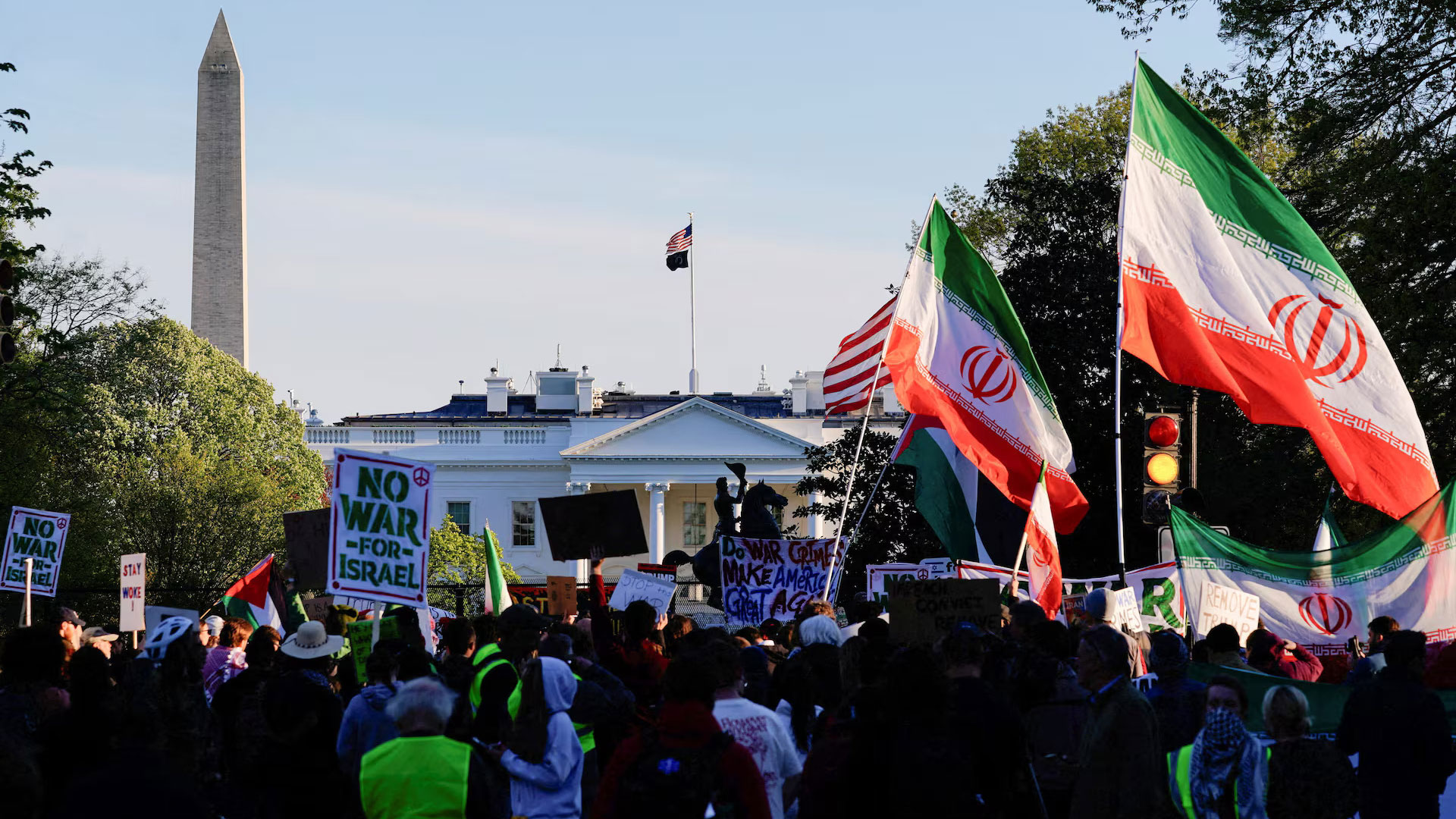
Regional Security Framework: 14-Day Ceasefire
ISLAMABAD – A 14-day ceasefire between the United States, Israel, and Iran officially commenced at 06:00 local time on April 8, 2026. This truce follows five weeks of intensive military engagements across the Middle East. The agreement serves as the foundational phase of a broader Regional Security Framework intended to stabilize global energy markets and stop active hostilities. Diplomacy led by Pakistan and China facilitated the pause after Operation Epic Fury resulted in significant structural damage to Iranian command centers and regional energy infrastructure. The Business Pulse Africa reports that the ceasefire remains stable despite localized artillery exchanges reported near the Lebanese border early Wednesday morning.
Join our WhatsApp Group
Economic stabilization and the Regional Security Framework
The conflict initiated on February 28, 2026, caused an immediate and severe shock to the global supply chain. Direct military expenditures for the United States and its allies reached 18.4 billion USD within the first 35 days of operations. The closure of the Strait of Hormuz by Iranian naval assets on March 2, 2026, removed approximately 21 million barrels of oil per day from the global market. This action caused Brent crude prices to peak at 145.50 USD per barrel on March 24. Implementation of the Regional Security Framework is necessary to facilitate the return of commercial shipping to these vital waterways.
Global logistics firms observed a 12.5 percent contraction in Mediterranean trade volumes during the active combat phase. High insurance premiums and the threat of uncrewed underwater vehicles (UUVs) forced tankers to reroute around the Cape of Good Hope. This shift added an average of 12 days to transit times between the Gulf and European ports. The success of the Regional Security Framework depends on the removal of these maritime threats and the verification of naval withdrawal. Financial institutions indicate that a permanent resolution could restore 2025 trade levels by the end of the current fiscal year.
Technical Monitoring and the Regional Security Framework
Monitoring the ceasefire requires a multi-layered verification system involving satellite imagery and autonomous ground sensors. The Regional Security Framework utilizes high-resolution thermal data to detect prohibited troop movements and missile battery deployments. Neutral observers from Pakistan and the African Union are scheduled to arrive in the region on April 10 to oversee the de-escalation zones. Data gathered from these sources will be shared via a centralized intelligence portal to prevent accidental escalations. The Regional Security Framework serves as the primary mechanism for managing these technical verification protocols.
There is a focus on the integration of non-state actors into the Regional Security Framework to ensure comprehensive stability. While the central governments in Tehran and Jerusalem have agreed to the 14-day pause, local militias in Iraq and Syria remain a variable. The agreement stipulates that any unauthorized drone launch will be categorized as a breach of the truce. Military analysts suggest that the new Iranian leadership under Mojtaba Khamenei faces internal pressure regarding the terms of these technical restrictions. The durability of the ceasefire will be tested as forces begin the process of repositioning away from the primary contact lines.
Field Report: Maritime Logistics and the Regional Security Framework
In the second quarter of 2026, the Egyptian General Authority for the Suez Canal faced a significant challenge regarding a backlog of 450 cargo vessels. These ships were anchored at the southern entrance due to the high-risk environment in the Red Sea. To address this, the authority implemented Digital Trade Protocol Compliance measures to streamline the passage of essential goods. This technical solution utilized electronic manifests to prioritize grain and medical supplies. By utilizing this system, the authority managed to reduce physical inspection times by 62 percent for verified carriers.
The application of these digital standards occurred while negotiators in Islamabad finalized the Regional Security Framework terms. This case demonstrates how technical documentation maintains the flow of trade during periods of high geopolitical risk. African ports in Djibouti and Mombasa also utilized these protocols to manage diverted traffic from the Persian Gulf. The success of Digital Trade Protocol Compliance in Q2 2026 provides a blueprint for future crisis management in international shipping. These measures supported the Regional Security Framework by ensuring that global food security was not compromised during the five-week war.
Data Summary: Regional Security Framework Benchmarks
The following table details the key metrics and dates associated with the current regional transition.
| Category | Data Point / Date |
| Ceasefire Commencement | April 8, 2026 |
| Conflict Initiation | February 28, 2026 |
| Regional Security Framework Initial Phase | 14 Days |
| Total Direct Military Expenditure | 18.4 Billion USD |
| Peak Crude Oil Price (March 2026) | 145.50 USD / Barrel |
| Suez Canal Revenue Deficit | 35 Percent |
ALSO READ: Voluntary Carbon Markets Africa: Ending the Systematic Financial Starvation of Regional Agribusiness
Establishing a permanent Regional Security Framework remains the priority for the international diplomatic community. The 14-day window provides a necessary period for humanitarian aid delivery to affected civilian populations in Israel, Iran, and Lebanon. The Business Pulse Africa identifies the Regional Security Framework as the only institutional path currently available to prevent a broader global economic depression. If the terms of the agreement are met, analysts expect a gradual reduction in energy prices.
Geopolitical stability depends on the adherence of all parties to the Regional Security Framework guidelines. Any resumption of hostilities would likely result in an expanded air campaign targeting Iranian nuclear infrastructure. The current pause allows for the establishment of a long-term maritime security alliance in the Persian Gulf. Success in these negotiations will define the security architecture of the region for the next decade. The international community continues to monitor the trajectory of the Regional Security Framework.
Leave a Reply